
Last updated November 16, 2026
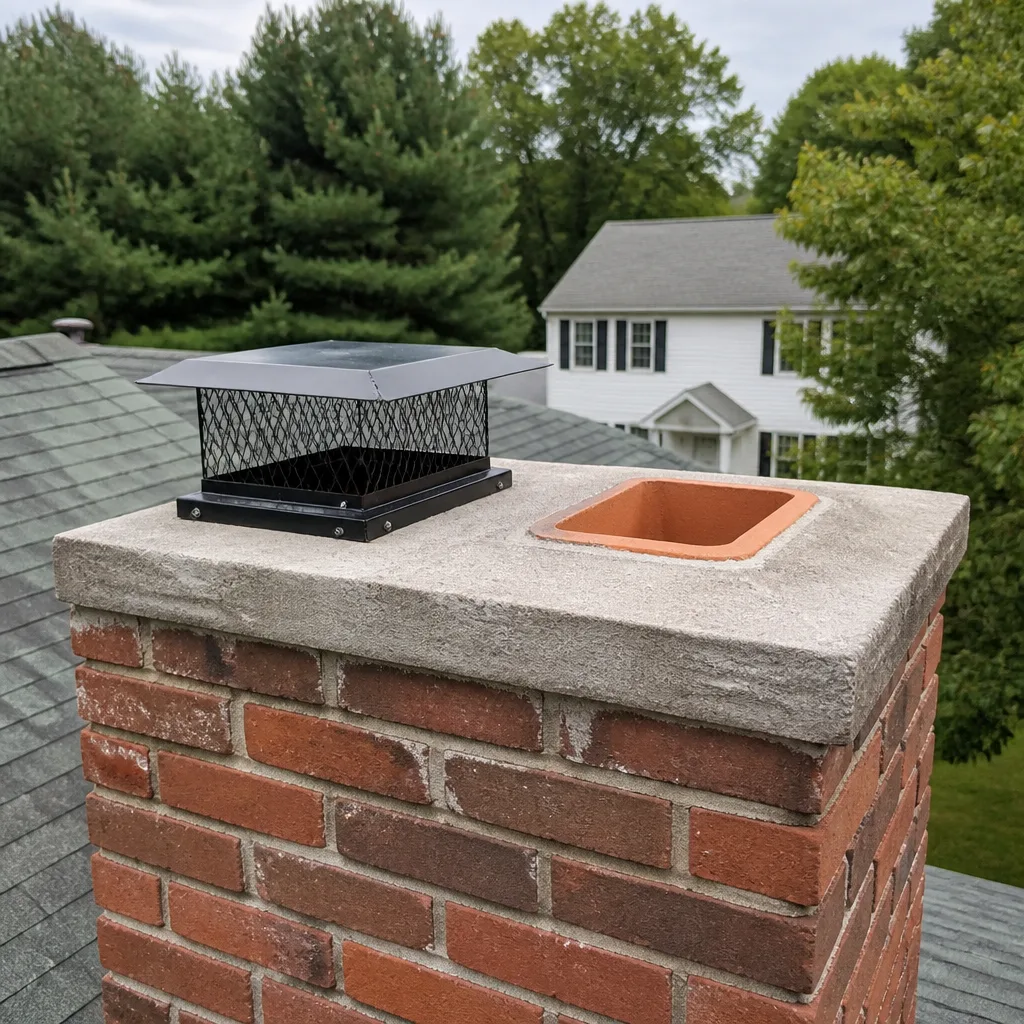 Sweep & inspection
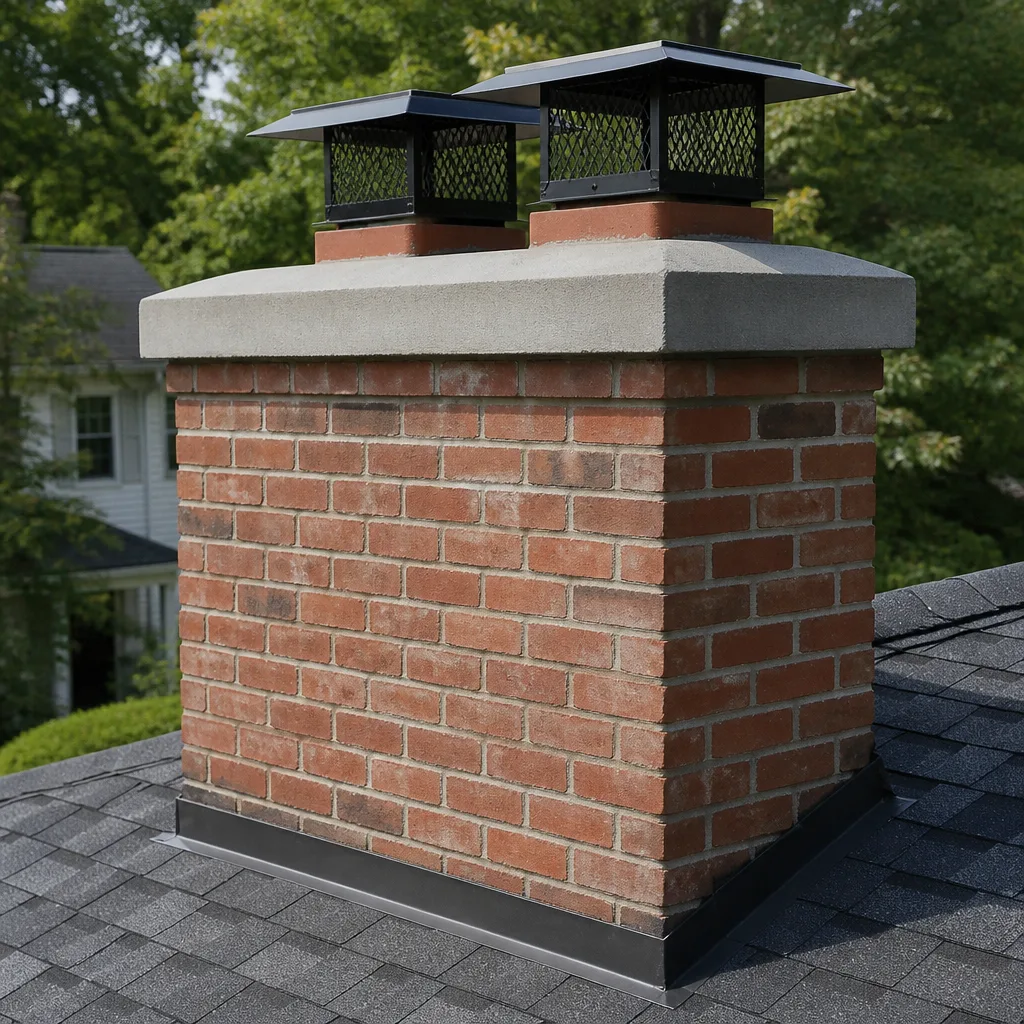 Caps & crowns
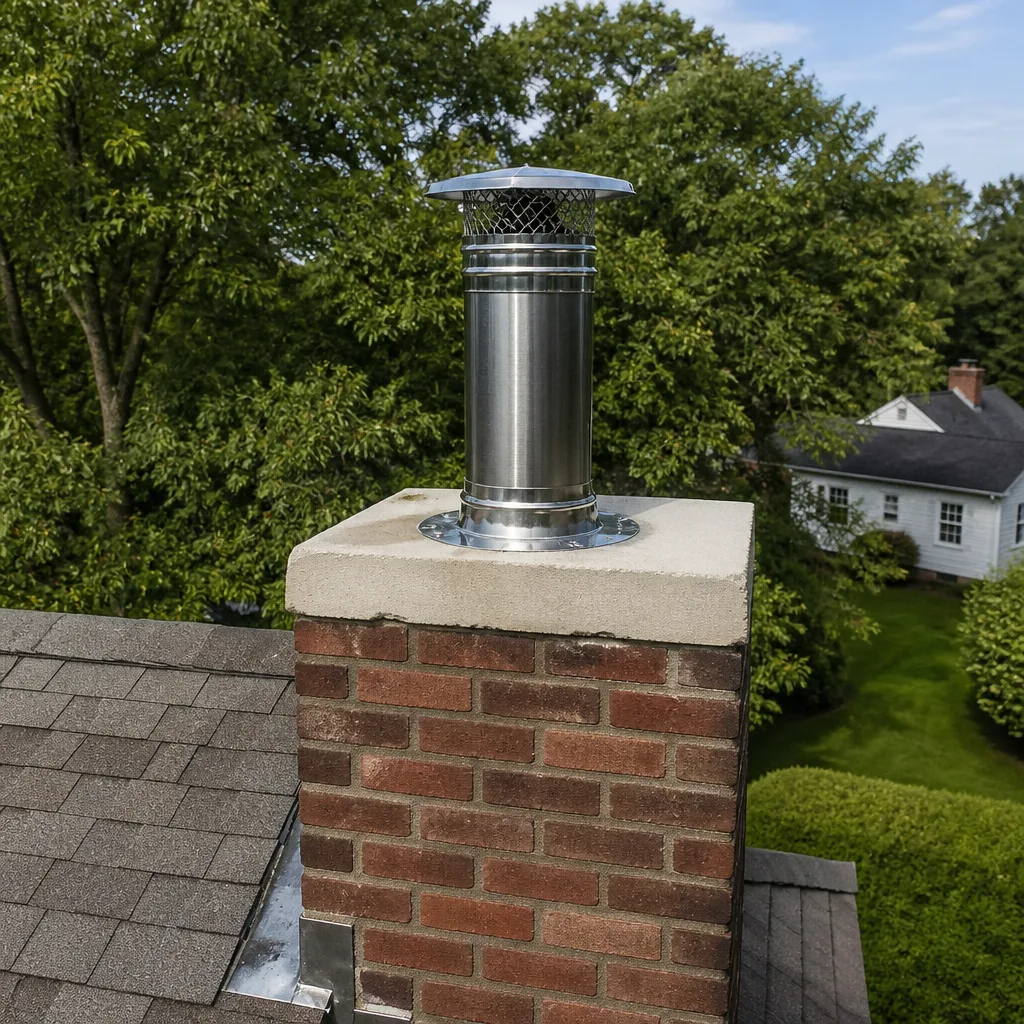 Flue relining
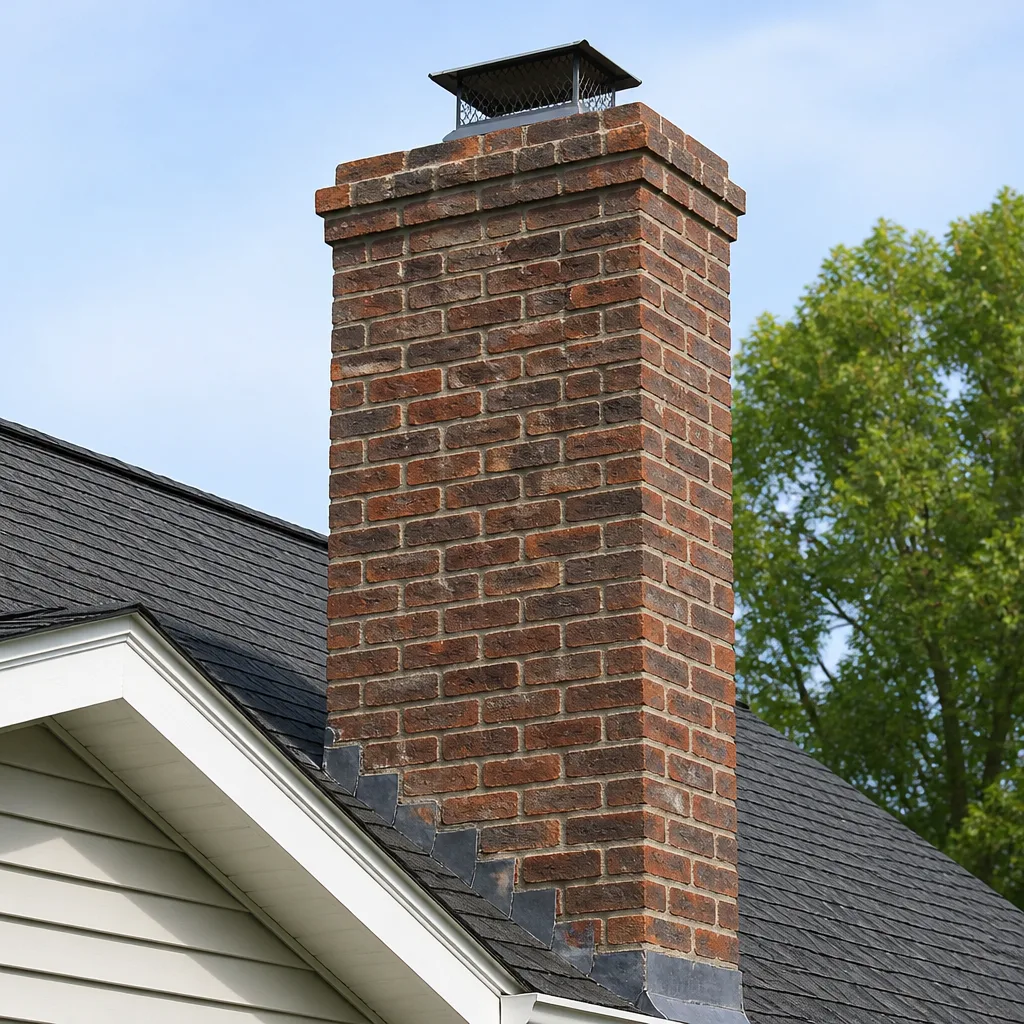 Masonry repair
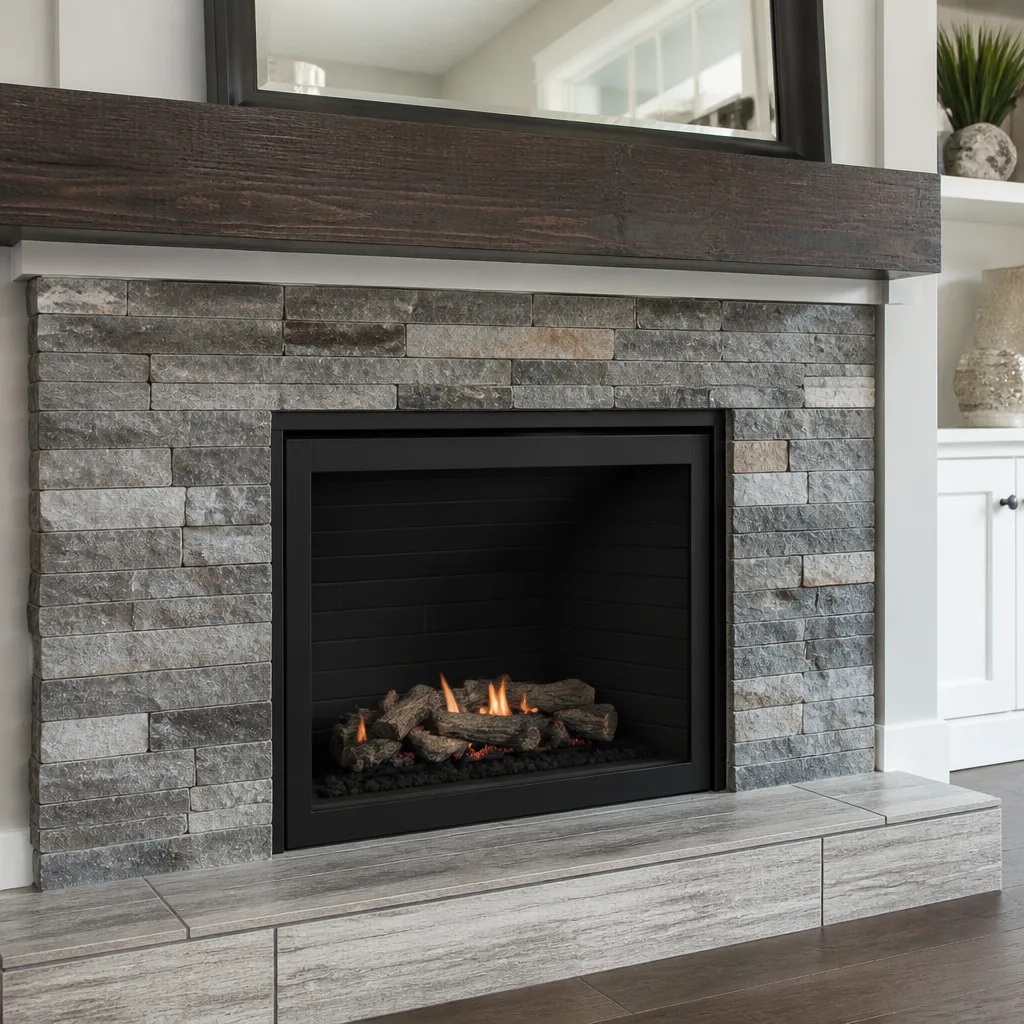 Gas fireplace service
Level 1 sweep and inspection to the NFPA 211 annual standard - flue, crown, cap, and flashing checked and photographed
Chimney sweep logs do not sweep chimneys. They loosen some creosote - which then falls where a brush and vacuum still have to collect it.
Choosing the Right Chimney Cleaning Brand: A Buyer’s Guide for Salinas
Two chimney caps look identical from the ground. One is a commercial-grade stainless product from a professional supply line. The other is a hardware store model that will show rust in three Salinas winters. The contractor who bought the second one probably didn’t tell you they had a choice. That’s the part most homeowners never learn until the cap is failing and someone has to explain why. Sweeping is the visible service, but the brands behind the repair materials are what determine how long the fix lasts. This guide covers the supply brands professional sweeps actually use, what each one makes, how to ask about materials without turning the conversation into an interrogation, and which product categories matter most for chimneys in Salinas.
Quick Answer
The right chimney cleaning brand is really two decisions: a qualified sweep and professional-grade repair materials. A contractor supplied through a professional chimney supply house uses products like HeatShield, Gelco, and Olympia Chimney for liner compounds, crown coatings, and stainless components. Ask directly which brands they use and who supplies them. A confident answer names the products and the supply line. A vague one usually means hardware-store substitutes.
Styles & brands we work with
- Sweep & inspection
- Caps & crowns
- Flue relining
- Masonry repair
- Gas fireplace service
Table of Contents
- Why the Brand Behind the Cleaning Job Matters
- The Professional Supply Brands Certified Sweeps Use
- Where Brand Choice Has the Most Impact on Salinas Homes
- How to Ask a Contractor About Supply Sources
- What “Professional-Grade Materials” Should Mean in a Quote
- Reading a Good Answer Versus a Deflection
- What Salinas Conditions Do to Chimney Materials
- Common Mistakes to Avoid
Why the Brand Behind the Cleaning Job Matters
Cleaning a flue is a procedure. Repairing one is a materials decision. The two get bundled in homeowners’ minds because they arrive on the same invoice, but they carry very different risk. A sweep who uses the wrong brush still leaves a clean flue. A contractor who seals a crown with the wrong product leaves a coating that cracks within a couple of seasons and lets water into the masonry below.
Most homeowners never ask what brands a contractor is putting on their chimney. That gap is exactly how substandard patch mortar and consumer-grade caps end up on Salinas homes. The contractor isn’t necessarily being dishonest. Often they buy what’s available at the nearest home improvement store because they don’t hold a supply-house account, or because chimney repair is a side job for them and they don’t want to carry inventory for it.
Here’s what the brand question actually tells you. A contractor who names their supply line is telling you they buy materials through professional channels, that they’ve made a deliberate choice among products, and that they know the difference between a consumer cap and a stainless one rated for extended exposure. In our experience, the answer to “which brands do you use” is one of the most reliable signals you’ll get before the work starts, and it costs nothing to ask.
The materials question matters more in Salinas than in many markets because the repair season here runs long. Roofs and crowns stay exposed to sun and dry air for most of the year, then take winter rain. Materials that tolerate that swing are worth asking about before anyone climbs up.
The Professional Supply Brands Certified Sweeps Use
Professional chimney supply brands specialize by product category rather than making everything. Knowing which brand covers which category is how you translate a contractor’s answer into something useful. A qualified contractor should be able to match a brand to a job.
- HeatShield makes ceramic liner resurfacing systems. It’s used to restore a damaged flue without a full reline, applied as a coating that forms a new smooth surface inside the existing liner. This is a specialized capability; a sweep-only company typically can’t offer it.
- Gelco makes crown coatings and masonry sealers. Crown repair is where the cheapest materials get used and where failure shows first, so the brand here matters a lot.
- Olympia Chimney makes stainless chimney components, including caps and lining systems. Their products are specified on professional jobs where a temporary fix isn’t acceptable.
- DuraFlex makes flexible stainless liner systems, used for relining flues that are offset, irregular, or aging past what a rigid liner can handle.
We work with all four, and with Famco and Copperfield components as well. The point isn’t the length of the list. It’s that the contractor can tell you which one goes on your chimney and why. A sweep who says “we use the best materials” without naming anything is telling you they either don’t know or don’t want you to check.
If you’re comparing contractors in Salinas, this is the single question that separates a full-service chimney company from a handyman with a brush. Ask it early and listen for product names.
Where Brand Choice Has the Most Impact on Salinas Homes
Three product categories carry the longest-term consequences for a chimney in this climate: stainless caps, flexible liner systems, and crown sealers. Each one fails differently when a cheap substitute is used, and each one is easy for a homeowner to ask about.
- Stainless caps. A cap does two jobs: it keeps water and animals out and it vents the flue. A commercial-grade stainless cap from a professional supply line, like those from Olympia Chimney, holds up against sun and weather far longer than a painted steel model. The hardware-store version rusts, and once it rusts the fasteners go with it. Ask whether the cap is stainless and who makes it.
- Flexible liner systems. Older flues in Salinas homes are often offset, out of round, or built from materials that no longer suit the appliance venting into them. A DuraFlex flexible system is designed for exactly that geometry. When a contractor proposes relining, ask whether the liner is a professional flexible system or a rigid generic. The difference shows up in fit, and fit determines safety.
- Crown sealers. The crown is the concrete cap at the top of the masonry, and it’s the first line of defense against water. Gelco crown coatings are formulated for that exposure. A generic patch mix applied to an exposed crown in a dry, sunny climate dries too fast, cracks, and lets water into the chimney structure. Crown repair done with the wrong product looks fine for a season.
There’s a fourth category worth knowing about: firebox and liner restoration compounds. HeatShield ceramic resurfacing falls here. When a flue has spalling or cracking that doesn’t yet justify a full reline, resurfacing can restore the surface and extend the life of the liner. Not every contractor can offer it.
Each of these is a question you can ask in plain language. You don’t need to know the chemistry. You need to know whether the person on your roof can name what they’re using and why.
How to Ask a Contractor About Supply Sources
Ask it as a practical question, not a challenge. The phrasing matters less than the timing: ask before the estimate is written, not after. Something like “What brands do you use for liner work and crown repair?” is direct, unthreatening, and completely normal for a professional to hear. A qualified contractor will answer it the way a mechanic answers a question about parts.
Here’s a short sequence that gets you a real answer without friction:
- Start with a category, not a brand: “If my crown needs repair, what product do you use?”
- Follow with the supply line: “Do you order through a chimney supply house or pick up locally?”
- Ask about the specialty: “Do you do HeatShield resurfacing, or is relining the only option you offer?”
- Ask for it in writing: “Can you note the materials in the estimate?”
That last step separates the two kinds of answer fast. A contractor working from a supply-house account can write the product into the quote without effort. Someone ordering off a consumer site usually can’t, because they don’t have a consistent material to name.
One more move that helps: ask what happens if the product fails. Not as a warranty demand, just as a practical question. A contractor who knows their materials will have a plain answer about how the product performs and what they’d do if it didn’t.
If a contractor gets defensive at the first question, that’s information too. You’re not interrogating anyone. You’re asking what goes on your house.
When we quote a job, the materials go into the written estimate. It’s how a homeowner can compare two bids that look identical on the surface. One call covers cleaning, inspection, and repair, and the materials are named up front so there’s no mystery later.
What “Professional-Grade Materials” Should Mean in a Quote
You’ll see the phrase “we use professional-grade materials” in a lot of chimney quotes. It can mean two very different things.
What it should mean: the contractor holds an account with a professional chimney supply house, orders components from manufacturers who sell to the trade, and can name the products in the estimate. If they say they use HeatShield for liner resurfacing, that’s a claim you can verify by asking which product line. If they say DuraFlex for relining, that’s a specific flexible system, not a generic liner. That’s a supply-house account, and it tells you the materials were chosen from a professional catalog rather than a shelf.
What it sometimes means: the contractor bought a consumer kit online or picked up a cap at a hardware store and called it professional because they installed it. There’s nothing dishonest in the wording, but there’s nothing behind it either. Consumer-grade patch mortar and a hardware-store cap are both “materials.” Neither is professional-grade.
A useful test: ask the contractor to put the brand names in the written estimate. A contractor working from a supply line does this without thinking. A contractor who can’t will usually deflect, promise to “check with the supplier,” or explain that brand names don’t matter. They do.
We use the same brands chimney engineers specify, and we put them in writing. Professional-grade parts, not hardware-store substitutes, is a standard we can point to on paper.
Reading a Good Answer Versus a Deflection
After you’ve asked about materials on a few estimates, patterns show up quickly. Here’s what the two kinds of answer sound like in practice.
A confident answer names a product, names a category, and connects the two. “For your crown we’d use a Gelco coating, and if the flue shows spalling we’d talk about HeatShield resurfacing before we jump to a full reline.” That answer tells you three things: they know the products, they know when each applies, and they’re not steering you straight to the most expensive option.
A deflection stays general. “We use the best materials available.” “We only use quality products.” Or the answer shifts the subject to price: “You don’t need to worry about brands, we’ve been doing this a long time.” A contractor can be experienced and still buy consumer materials, which is exactly why the brand question is the one that matters.
There’s a middle case worth knowing: the honest generalist. Some contractors will tell you plainly that they sweep but don’t do liner work or crown restoration, and that you’ll need a specialist for those. That’s a legitimate answer, and a better one than pretending. What it tells you is that you need a company that covers inspection, cleaning, and repair under one roof for the full picture.
When a contractor answers with specifics and offers to put them in the estimate, you’ve got a professional. When the answer circles, move to the next bid.
What Salinas Conditions Do to Chimney Materials
Salinas sits in a valley with hot, dry summers and mild, wet winters. That combination is harder on exterior chimney materials than people expect. The crown and the cap sit in direct sun through the long dry season, then take rain in winter. Materials that dry too fast and crack, or that corrode under moisture, fail faster here than the manufacturer’s general service life suggests.
The interior of a flue has its own stresses. Appliances run hard in winter and sit idle in summer, so the liner cycles between hot and cold. A liner that was marginal in spring can show cracking by the first cold snap. This is why a documented inspection matters more than a clean sweep alone: the inspection is where the flue condition gets recorded, and a written record is what you use for insurance, a future sale, or planning maintenance.
The older housing stock around Salinas matters too. Many homes have flues built to specifications that predate modern venting requirements for the appliance now connected to them. When the flue geometry is offset or irregular, a flexible liner system from a professional brand fits where a rigid liner won’t. A contractor who only carries rigid systems will sometimes tell you the flue can’t be relined. That’s often a supply limitation, not a structural one.
Crown and cap condition is what most homeowners can actually see from the ground. Rust staining on a cap, hairline cracks at the crown, or crumbling mortar at the top of the stack are all worth pointing out when you call. They tell the contractor what to look at before anyone gets on the roof.
We work in Salinas and this valley weather every week. If you’re not sure what your cap or crown is made of, that’s a normal starting point. The inspection will tell you whether it’s holding or failing.
Common Mistakes to Avoid
- Never asking about materials at all. The most common mistake, and the easiest to fix. Ask which brands go into liner work, crown repair, and caps before the estimate is written.
- Accepting “professional-grade” without a name. A phrase with no product behind it is marketing, not a specification. Ask for the brand and the product category.
- Choosing on price alone. A lower bid often reflects a cheaper cap, a generic crown patch, or a rigid liner pressed into a flue that needed flexible. The savings show up as a repair two seasons later.
- Skipping the inspection to save the visit. A sweep without a documented inspection leaves you with no record of flue condition. Ask for the written findings, especially if you’re planning to sell or file with your insurer.
- Letting a sweep-only contractor handle a repair. Sweeping and repair require different materials and different supply access. If the company can’t name a liner or crown product, they shouldn’t be sealing your chimney.
- Assuming a reline is the only option for a damaged flue. HeatShield ceramic resurfacing can restore a liner without a full reline in the right conditions. Ask whether resurfacing is on the table before you accept the larger job.
- Ignoring what you can see from the ground. Rust on the cap and cracks in the crown are visible without a ladder. Pointing them out helps the contractor and tells you something about how the last repair was done.
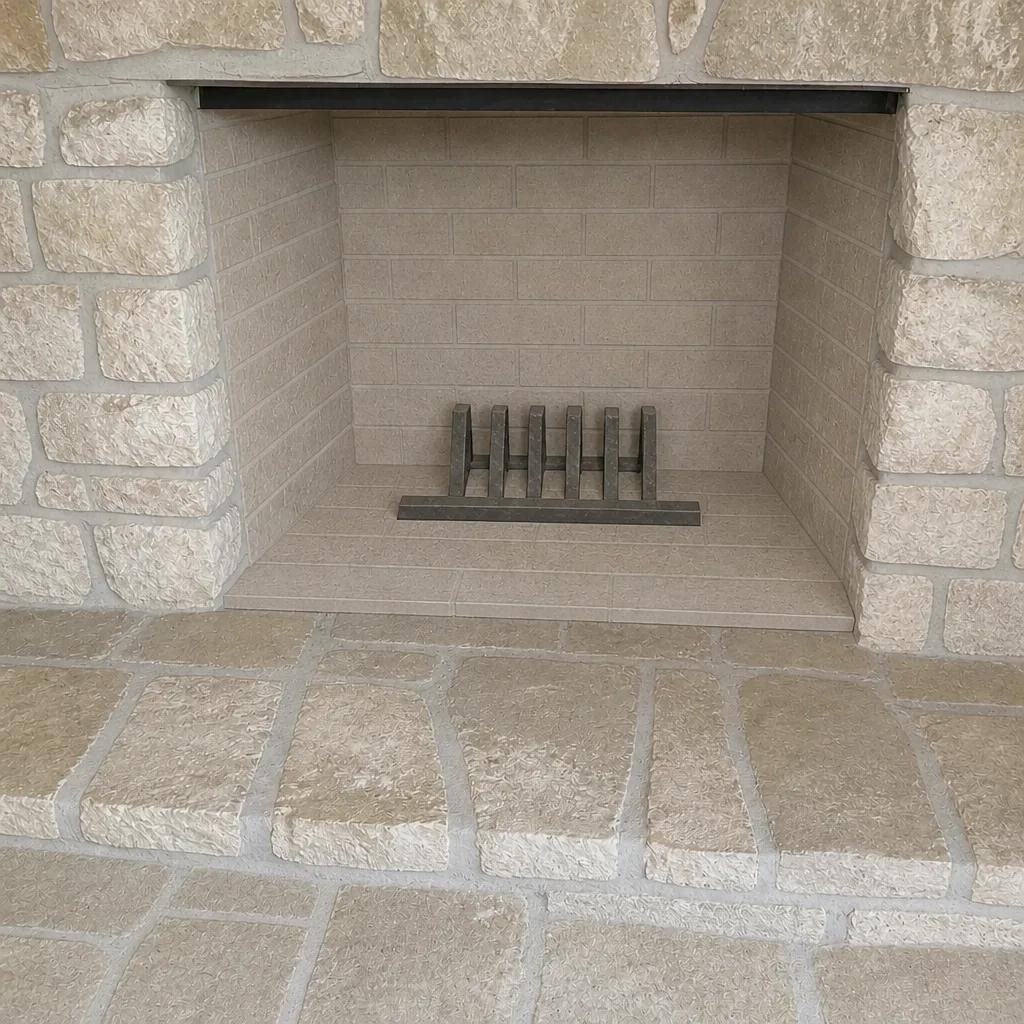
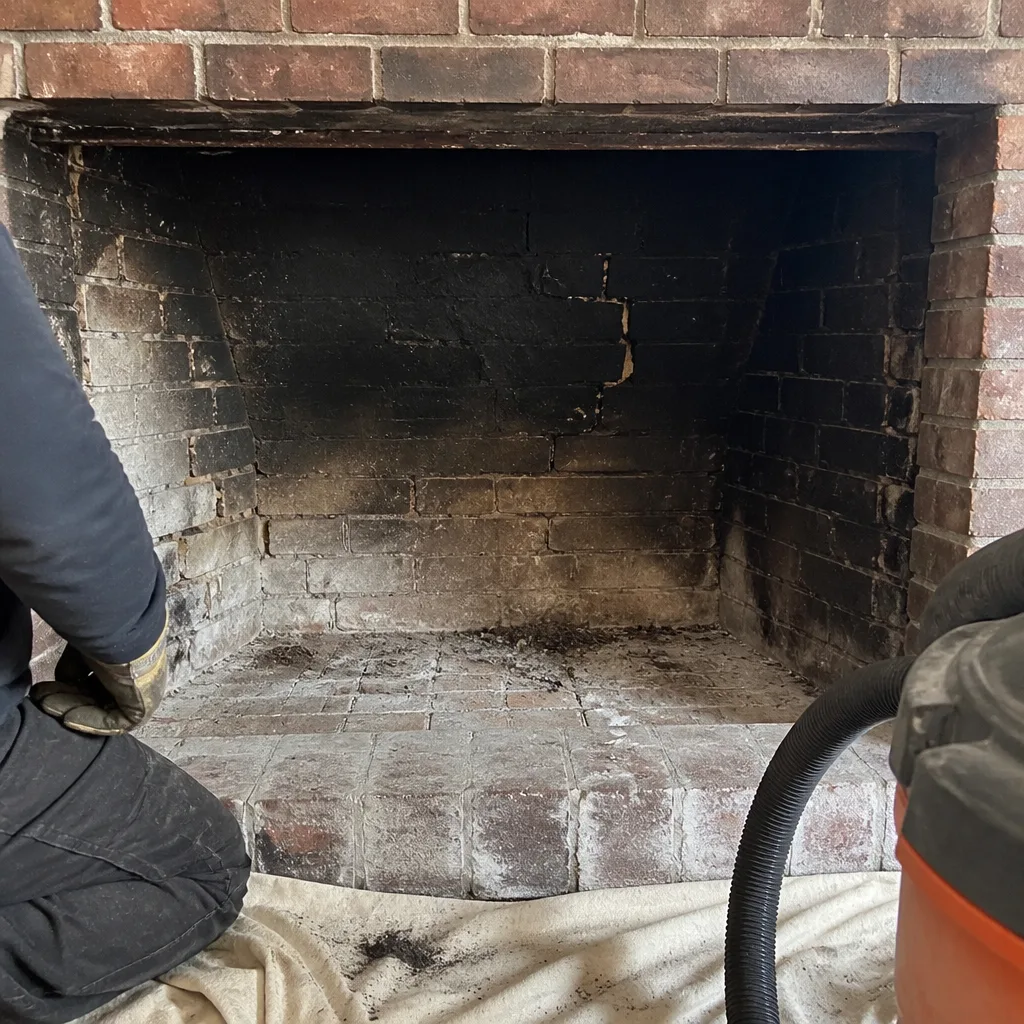
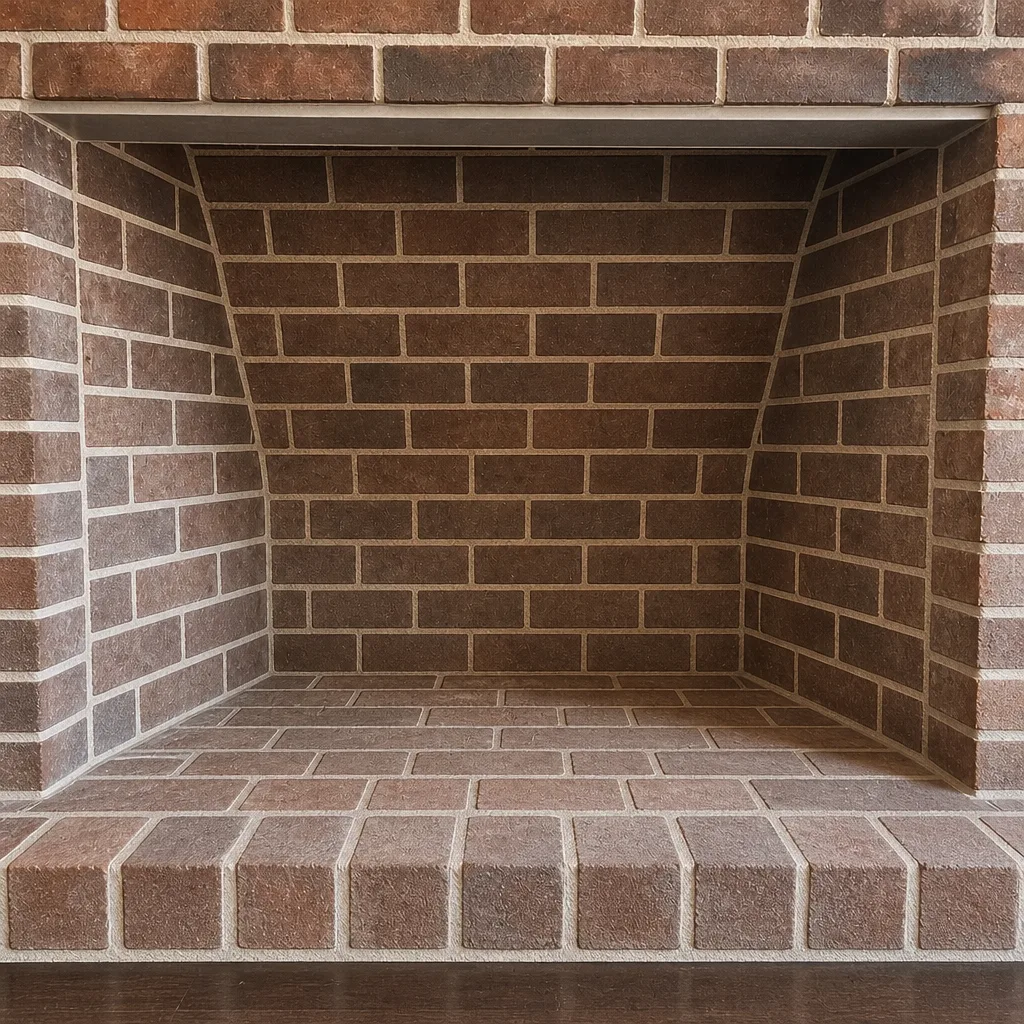
See the difference
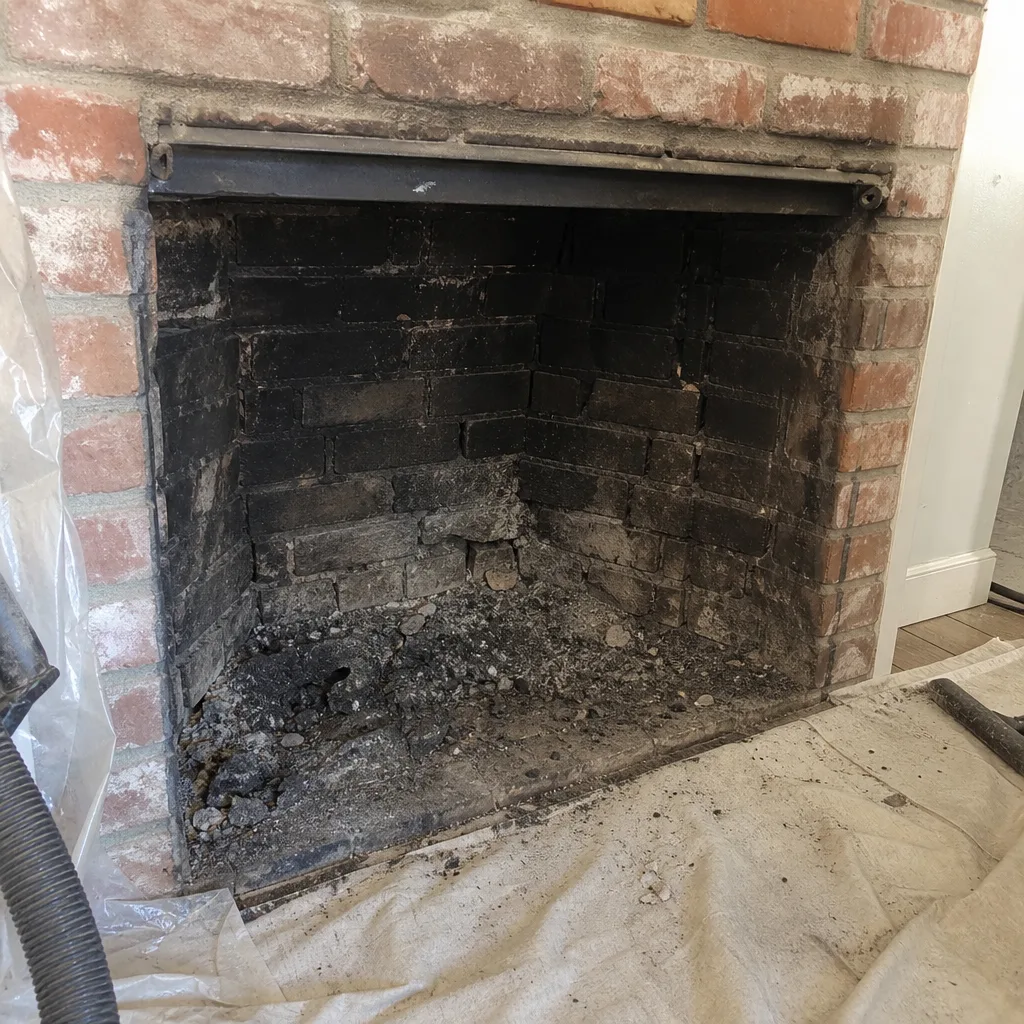 Before
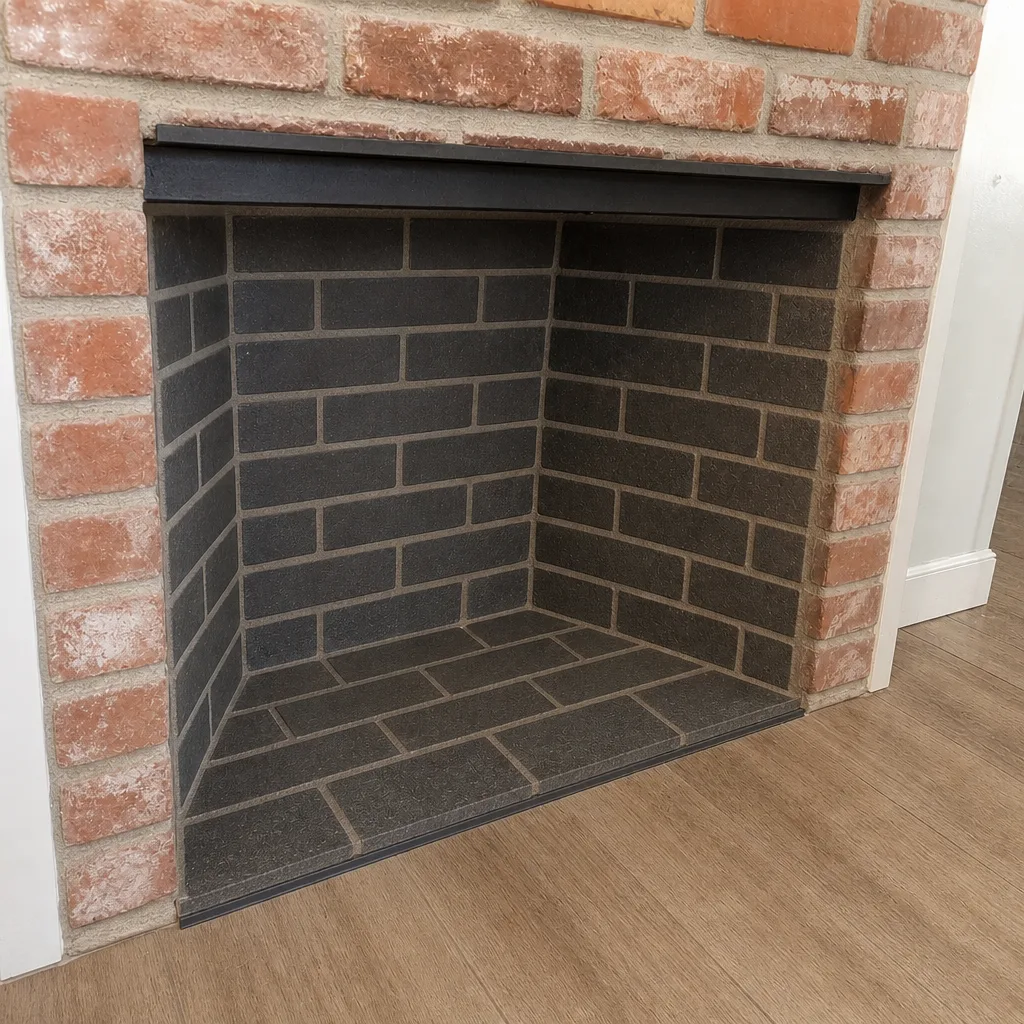 After
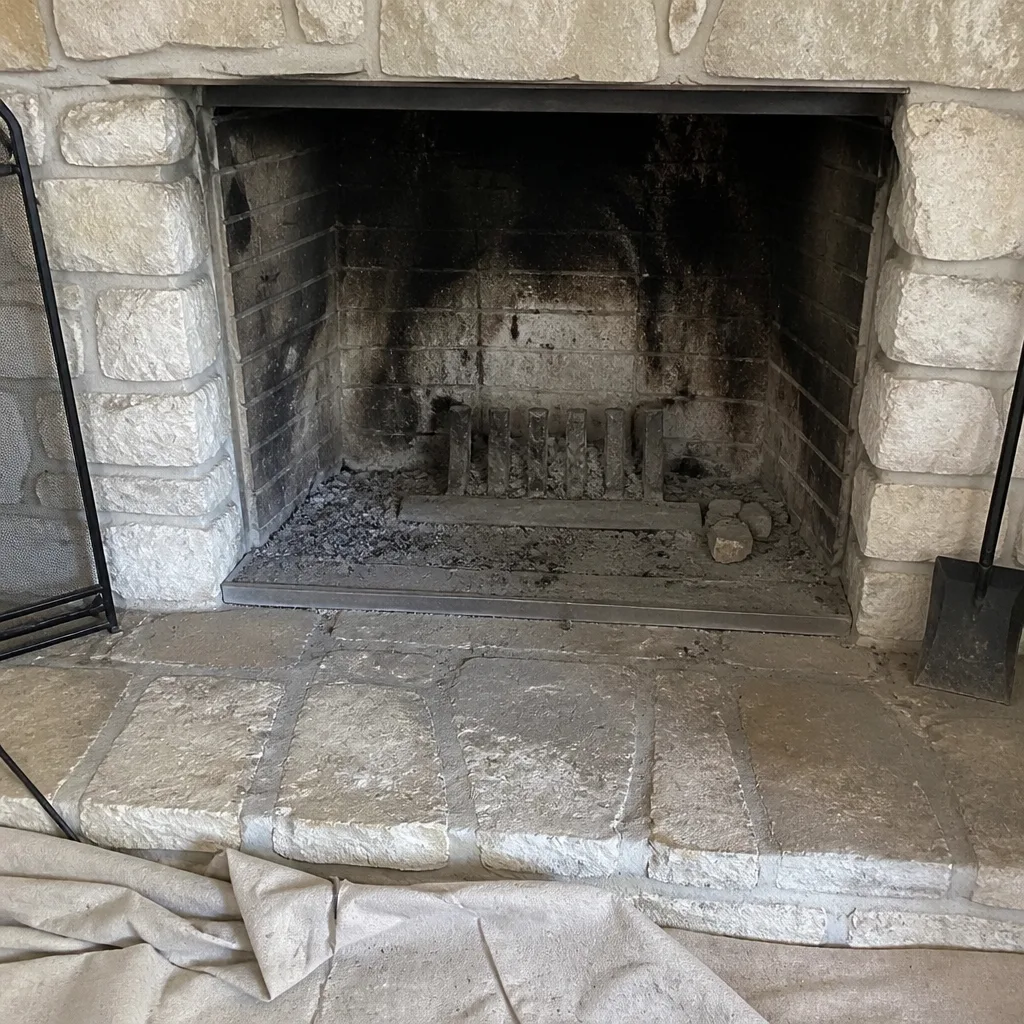 Before
 After
 Before
 After
When to Call a Professional
Some chimney work is routine and some is urgent. Routine: an annual chimney sweep with a documented inspection, especially before the heating season starts. Urgent: rust staining or holes in a metal cap, crumbling mortar at the crown, visible cracks in the firebox, a flue that smells smoky even when nothing is burning, or a liner that’s been flagged in a prior inspection and never addressed.
Any repair involving the liner, the crown, or the firebox should go to a company that names its materials. Those are the jobs where a hardware-store substitute costs more in the long run than the professional product would have. A chimney repair quote should list the brands, and the contractor should be able to explain the choice.
Salinas Chimney Sweep offers free estimates in Salinas. Call (844) 834-5211. We answer 24/7. Fast dispatch from 7am to 7pm, Sunday through Friday.
Frequently Asked Questions
Ask whether they use professional supply brands such as DuraFlex for flexible liners, HeatShield for ceramic flue resurfacing, Gelco for crown coatings, and Olympia Chimney for stainless components. A qualified contractor names the brands, matches each to a product category, and can put them in the written estimate. If the answer stays general, ask which supply house they order from. Call (844) 834-5211 for an exact quote on your chimney.
Yes. A commercial-grade stainless cap from a professional supply line, like those from Olympia Chimney, holds up far longer than a painted steel hardware-store model. The cheaper cap rusts, the fasteners fail, and the cap stops doing its job. Ask whether the cap is stainless and who makes it before it goes on your chimney. Call (844) 834-5211 for an exact quote.
HeatShield is a ceramic resurfacing system applied inside a damaged flue to restore the liner surface without a full reline. It’s the right option when the flue has cracking or spalling that doesn’t yet justify relining the whole chimney. Whether you need it depends on what the inspection finds. Ask for the findings in writing and the contractor should be able to show you the condition before recommending it. Call (844) 834-5211 for an exact quote.
A flexible liner from a professional line like DuraFlex fits offset, out-of-round, or irregular flues that a rigid liner can’t follow. Many older homes in Salinas have flue geometry that predates the appliance now venting into it. A contractor who only offers rigid systems may tell you the flue can’t be relined, which is often a supply limitation rather than a structural one. Call (844) 834-5211 for an exact quote on relining.
They can name the brands and the product categories without hesitation, and the estimate lists the materials. They also hold a supply-house account rather than ordering consumer kits. If a contractor can’t name a liner or crown product, ask why. That answer tells you as much as the brand names. Call (844) 834-5211 for an exact quote.
One company covering sweeping, inspection, and repair under one roof keeps accountability in one place. A sweep-only company can’t supply the liner, crown, or firebox materials a repair needs, which means you’re scheduling a second contractor for the same chimney. Ask whether the company handles all three. Call (844) 834-5211 for an exact quote.
The Bottom Line
The brand behind a chimney job is the part homeowners can actually verify. Cleaning is a procedure, but repair is a materials decision, and the materials are what determine whether a fix lasts two seasons or twenty. Ask which brands go into the liner, the crown, and the cap. Listen for names like HeatShield, Gelco, DuraFlex, and Olympia Chimney, and ask for them in the written estimate. A contractor working from a professional supply line answers that question easily. One who can’t has told you something useful. In Salinas, where crowns and caps sit in sun and take winter rain, that difference has real consequences.
If you’re comparing chimney companies in Salinas, start with the material question. Our team works with professional supply brands and puts them in writing. One call covers cleaning, inspection, and repair, and every recommendation comes with the findings behind it. Salinas Chimney Sweep offers transparent estimates with no surprises. Call (844) 834-5211. We answer 24/7. Fast dispatch from 7am to 7pm, Sunday through Friday. Our technicians have up to 14 years of experience.
Written by the team at Salinas Chimney Sweep.