
Last updated November 16, 2026
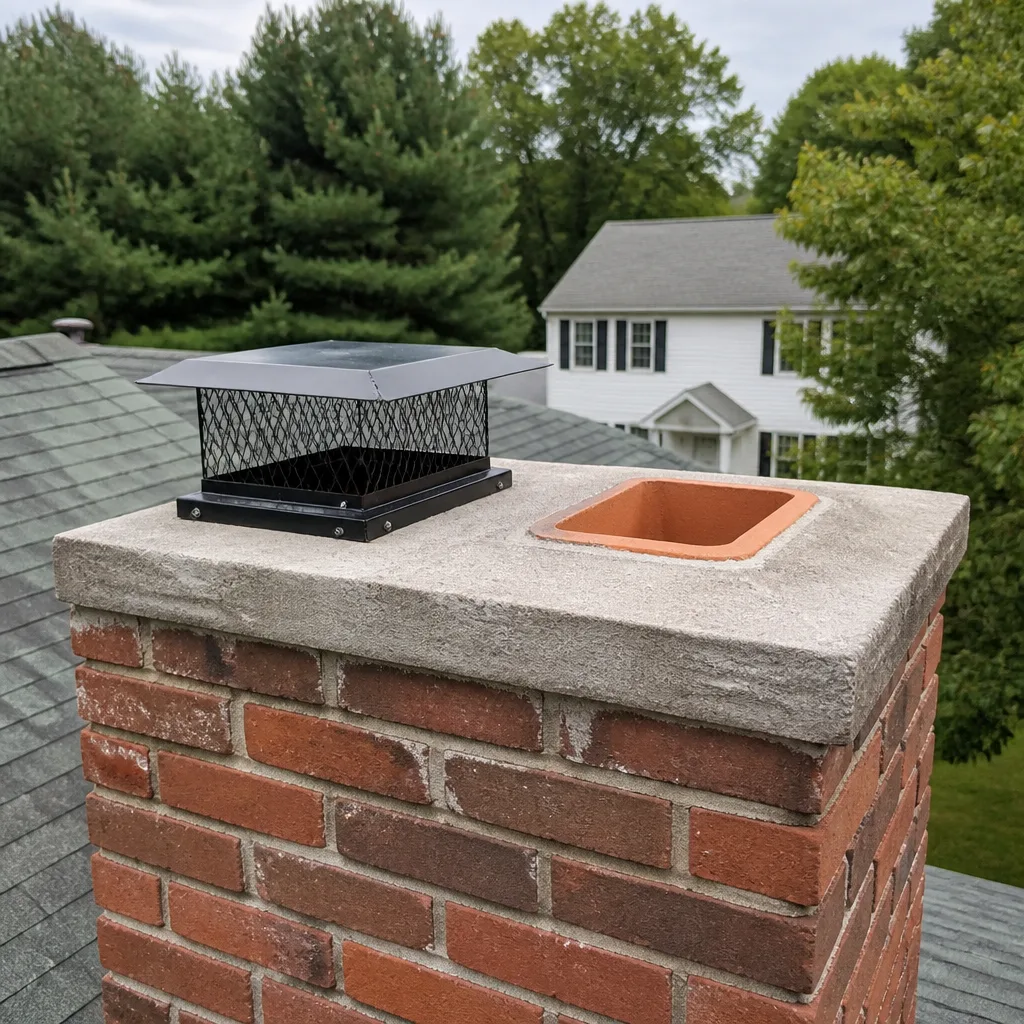 Sweep & inspection
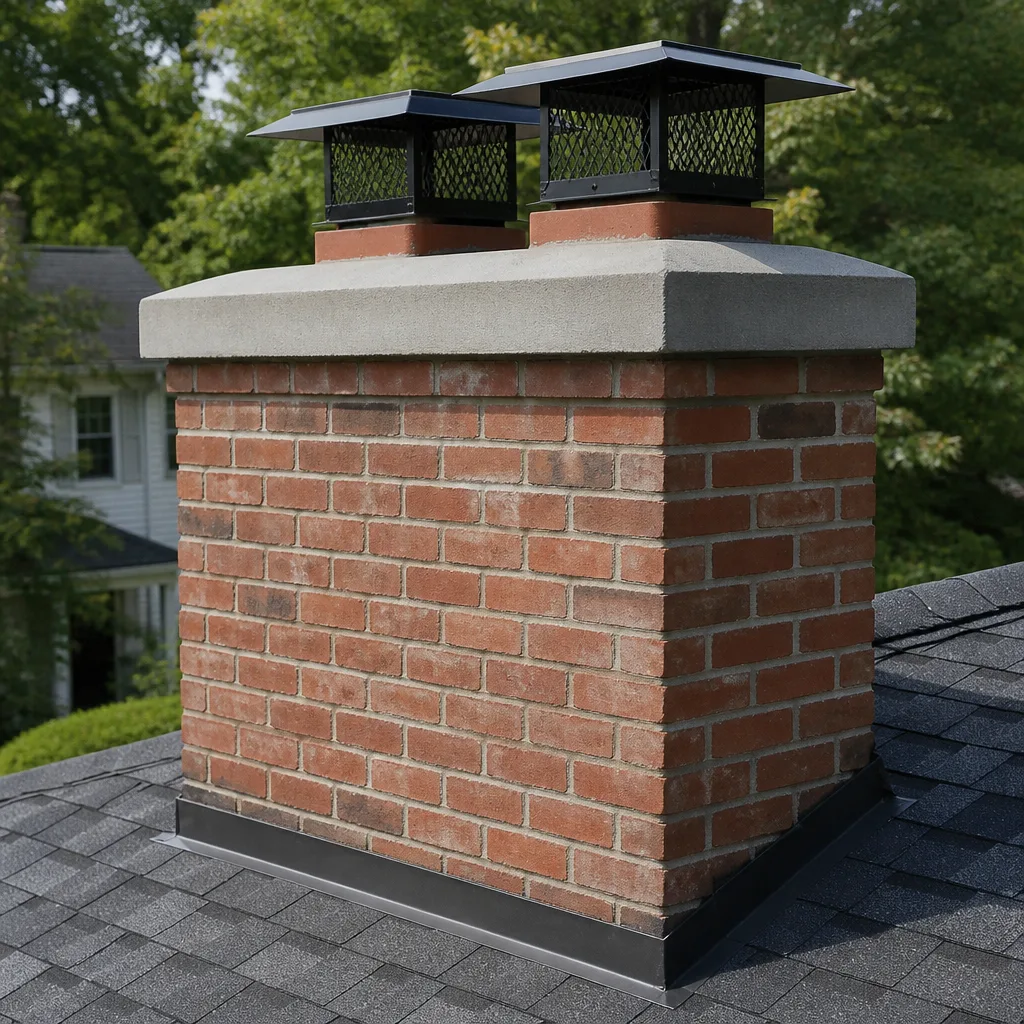 Caps & crowns
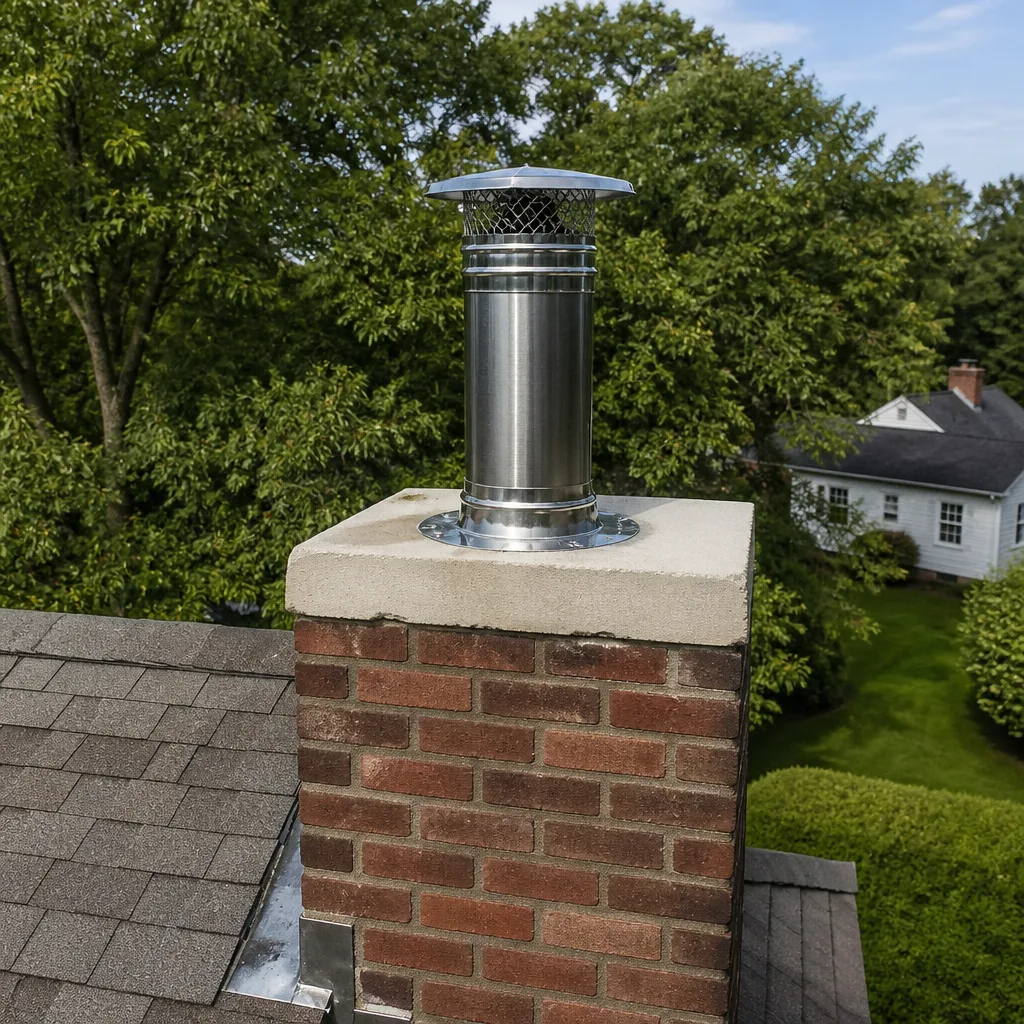 Flue relining
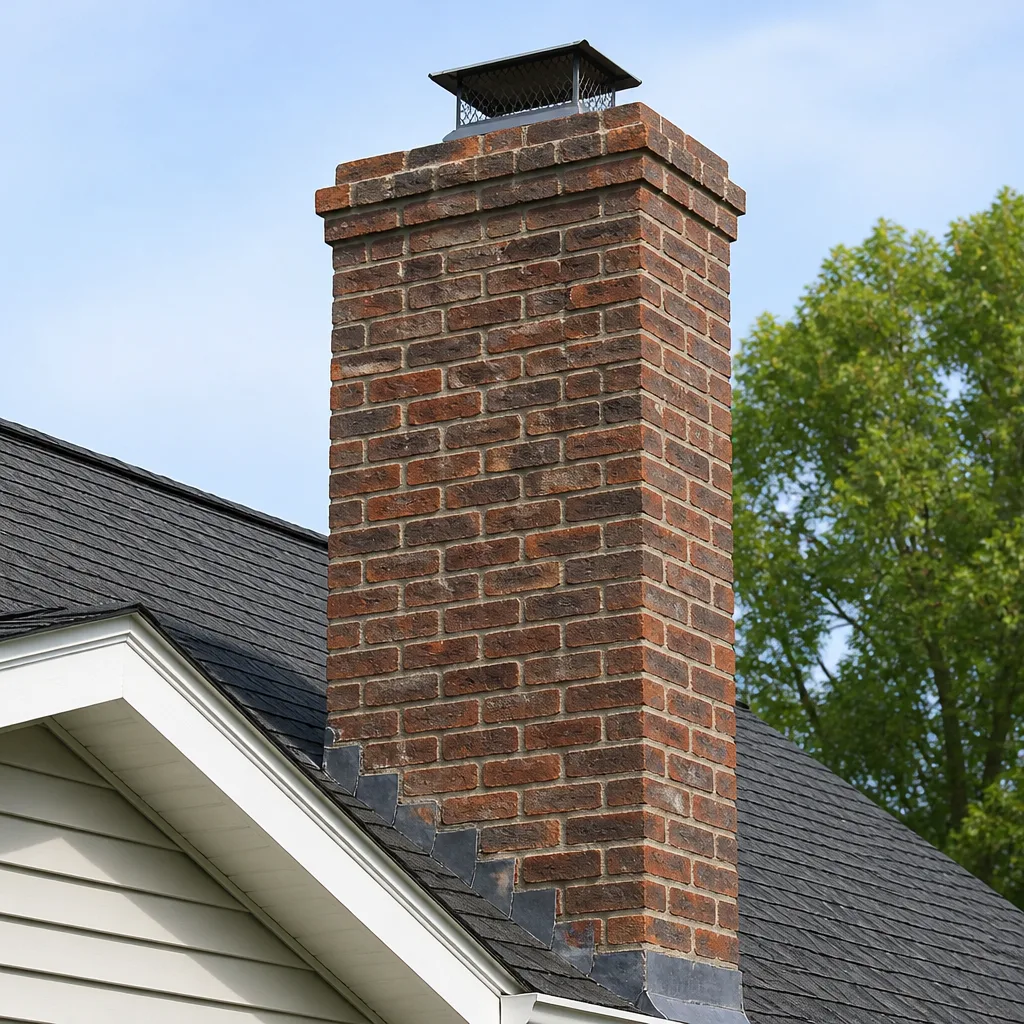 Masonry repair
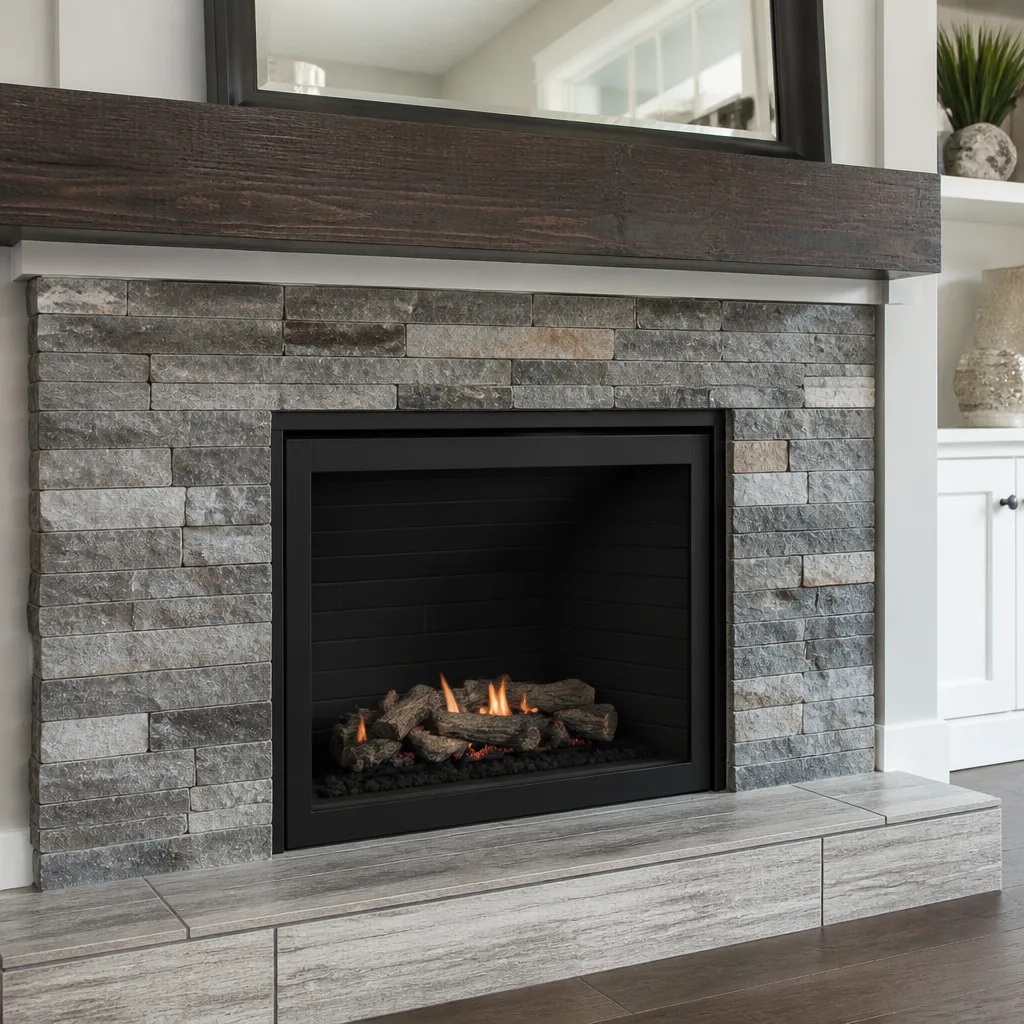 Gas fireplace service
Level 1 sweep and inspection to the NFPA 211 annual standard - flue, crown, cap, and flashing checked and photographed
Chimney sweep logs do not sweep chimneys. They loosen some creosote - which then falls where a brush and vacuum still have to collect it.
The Complete Guide to Chimney Cleaning in Salinas
Most chimney fires don’t start in winter. They start months earlier, when a flue that has gone unused through a long damp season holds creosote that nobody cleared before the first cold night. Salinas fireplaces often sit idle for months, and the moist air that drifts in off the Monterey Bay during that idle stretch gives creosote a head start it doesn’t get in drier parts of California. We’re not describing a rare problem. We’re describing an ordinary pattern in this climate. This guide explains why chimney cleaning in Salinas is its own job, what an inspection actually looks at, and how to tell the difference between a visit that cleans your flue and one that just wipes the firebox.
Quick Answer
A chimney cleaning in Salinas removes creosote, soot, and debris from the firebox, smoke chamber, and flue, and it should always include an inspection so you know what condition the chimney is really in. Most homes that burn regularly need it once a year, and in this climate annual cleaning matters even for fireplaces that only see a handful of fires each season. The whole visit typically takes an hour or two, and the cleaning and the inspection are done in the same stop.
Styles & brands we work with
- Sweep & inspection
- Caps & crowns
- Flue relining
- Masonry repair
- Gas fireplace service
Table of Contents
- Why Salinas Chimneys Need Their Own Kind of Care
- The Creosote Problem and the Marine Layer
- Chimney Sweep vs. Chimney Cleaning
- What a Level 1 and Level 2 Inspection Actually Involves
- Why Professional Brushes and Vacuums Matter
- How a Cleaning Visit Goes, Step by Step
- A Realistic Timeline from Booking to Clean Flue
- What Chimney Cleaning Costs in Salinas
Why Salinas Chimneys Need Their Own Kind of Care
Salinas sits in a valley with a climate that surprises people who’ve only lived here a short while. The days are warm; the overnight marine layer rolls in and pushes relative humidity way up while the temperature drops. Smoke behaves differently in that pattern. A fire that burns hot in the evening can leave the firebox and flue cooler overnight than it would in a drier inland climate, and the moisture that hangs in the air doesn’t need open weather to settle on metal and masonry.
That matters for two reasons:
- Creosote form matters more than creosote volume. Cooler flue temperatures and humid air tend to produce the glazed, shiny, stubborn form of creosote rather than the light sooty kind. Glazed creosote is the hard-to-remove type, and it’s the type that brushes alone won’t always handle.
- Idle fireplaces get no passive drying. A fire that runs most days keeps the flue warm and drives moisture back out. A fireplace used in bursts, with weeks or months between fires, does the opposite. Moisture sits. That’s a common pattern for Salinas homes that heat mostly with a central system and light the fireplace for atmosphere.
Housing stock adds to it. Older homes in parts of Salinas often have masonry chimneys built before modern flue sizing was standard, and masonry absorbs moisture in a way a modern liner doesn’t. We’ve seen enough of them to know that “it looks fine from the firebox” is not a reliable way to judge a flue in this climate. The real answer comes from a camera.
The Creosote Problem and the Marine Layer
Creosote is the tar-like byproduct of incomplete wood combustion, and it builds on the inside of the flue in layers over time. In this climate, the buildup takes a different shape than homeowners expect. The overnight cooling and the moisture that settles in the flue make it easier for creosote to reach third-degree form, which is the shiny, hard, tar-like layer that’s much harder to remove and much more likely to ignite. The species of wood you burn and how dry it is change how fast this happens. So does the way you use the fireplace: a smoldering fire, with the damper closed down to stretch the burn, makes significantly more creosote than a hot, open fire. We’ve seen the biggest buildup in Salinas homes that run a slow overnight fire with seasonally cut wood, which is a common and understandable habit when you’re trying to keep a room warm.
Ignition risk comes down to the combination of buildup and flue temperature. Glazed creosote is a fuel, and a hot fire in a flue coated with it can light. The fire doesn’t need to be dramatic. Many chimney fires are short and self-extinguishing, and the homeowner never realizes one happened. What they do notice later is cracked tile, warped liners, or a chimney that suddenly drafts poorly. That’s why annual cleaning plus inspection is the only reliable way to know your flue is safe: you can’t see the inside without a camera, and you can’t clean glazed creosote with a brush alone. Chemistry-based removal, followed by HeatShield ceramic resurfacing on a worn liner, is often the answer where a basic sweep isn’t enough.
Chimney Sweep vs. Chimney Cleaning
These two phrases get used interchangeably, and that’s a mistake. They describe different levels of work, and knowing the difference is often the reason one visit isn’t enough to fully address what’s going on in a Salinas chimney.
A chimney sweep is the mechanical removal of soot and creosote from the accessible flue and firebox. It’s the standard service most people picture: brush, vacuum, done. If your chimney has light to moderate powdery soot and no other issues, a sweep is usually all you need.
A chimney cleaning is broader. It includes the sweep, plus cleaning and inspection of other parts of the system that a basic sweep can miss:
- The smoke chamber above the firebox
- The smoke shelf, where soot loves to collect
- The damper assembly
- The flue itself, checked with a camera
- The firebox and, where accessible, the exterior components
In Salinas specifically, the difference matters because glazed creosote doesn’t come off with a standard brush. If we find it during a sweep, we stop and show you what we’re seeing on the camera. Sometimes the answer is a second visit with a chemically treated brush cycle. Sometimes it’s HeatShield liner resurfacing so the flue can be properly restored. And sometimes it’s a straight full reline with a DuraFlex system. The point is that you know which one it is before anyone starts work. A cleaning that turns into a sweep shouldn’t be a surprise visit – it should be a clear explanation on the camera screen with you watching.
What a Level 1 and Level 2 Inspection Actually Involves
Chimney inspections get talked about in abstract terms, which doesn’t help if you’re trying to decide what you actually need. Here’s what the inspector is physically looking at, and why the level matters in a Salinas home. A Level 1 inspection covers the readily accessible parts of the chimney and venting system – the firebox, damper, smoke chamber, and the visible portion of the flue. No camera goes up the flue. The inspector is looking for obvious damage, blockage, soot condition, and anything that would make a cleaning unsafe to run. If you burn your fireplace regularly and haven’t had a change in the system, this is the right level, and it’s part of every cleaning we do. A Level 2 inspection adds a video camera scan of the full flue, documenting cracks, gaps, misaligned tiles, and the condition of the flue liner along its entire length. In a Monterey County home, this level is the one that tells you whether the liner is intact – which is the question that actually matters for fire safety, and the one you can’t answer by looking up from the firebox. It also documents the condition in a written report, which is useful for insurance, real estate, or planning future maintenance. A Level 3 inspection is for suspected damage in concealed areas and may require opening walls, which we only recommend when the evidence points there. The camera scan is the honest diagnostic tool. It’s also the difference between “we recommend a liner” and “here’s the crack, here’s where it is, here’s what it affects.”
Why Professional Brushes and Vacuums Matter
If you’ve seen a chimney cleaning kit at a hardware store, you know what it looks like: a plastic brush, a flexible rod, and a shop vacuum built for sawdust. Homeowners sometimes ask why we don’t just recommend a DIY kit. The answer isn’t gatekeeping. It’s the difference between containing the mess and spreading it into your living room. Professional-grade cleaning uses brushes sized and matched to the flue’s interior dimensions, including polypropylene brushes for metal liners and stiff-wire brushes for masonry flues. A brush that’s too small doesn’t get the buildup off the walls. A brush that’s too large can damage the liner. There’s no universal size, which is why a hardware kit can’t fit every flue. The other half is the vacuum. Professional chimney vacuums use high-efficiency filtration, with HEPA-rated filters on top-tier units, to capture soot particles as they’re released rather than blowing them back into the room. A shop vac pushes fine soot through its filter and into the air. That’s the difference between a clean room and a fine grey film on every surface in the house. We use brushes and vacuums specified for chimney work, and components from brands like Olympia Chimney and Gelco, because the parts we install have to hold up to the same standard. When you hire a contractor, ask what vacuum they use and whether it’s HEPA-rated. The answer tells you a lot about how the visit will go.
How a Cleaning Visit Goes, Step by Step
We’ve found that the visit goes smoother when customers know the sequence. Here’s what a typical cleaning visit looks like in a Salinas home:
- Setup and protection. We lay drop cloths over the floor and surrounding furniture and tape a plastic sheet over the fireplace opening, leaving only the access point for the brush and hose. This is where most of the soot containment happens.
- Visual check, then camera. Before any brush goes up, we look at the firebox, damper, and smoke chamber. Then we run the camera up the flue so we can see the inside before we disturb it. If there’s a blockage – a bird’s nest, a fallen tile, soot collapse – we want to know before we start brushing.
- Brushing. We work the flue from the top down, matching brush type and size to the liner, pulling creosote and soot into the vacuum’s intake as we go. The hose runs to a vacuum, not to the room.
- Firebox and smoke chamber. The firebox walls, smoke shelf, and damper get cleaned and checked. Glazed creosote, if present, is handled separately – sometimes with a chemical treatment cycle – because a dry brush won’t remove it.
- Camera again. We re-scan the flue to confirm it’s clean and to document any condition issues we found.
- Walkthrough. We show you the results, explain what we found and what it means, and give you options for anything that needs attention. Nothing gets recommended without you seeing it on camera first.
That last step is the one customers remember. The transparency is the point of the visit.
A Realistic Timeline from Booking to Clean Flue
How long does it take from the moment you call to the moment you have a clean, inspected flue? Here’s what to expect, and what can throw the schedule off in Salinas.
Booking to appointment. Timing depends on the season. In summer and early fall, before the burn season ramps up, appointments usually come around within a reasonable window. As the first cold nights approach, calendars fill up quickly, and the wait stretches. The practical takeaway: book in the shoulder season, not the week before you want to light the first fire. That’s not a sales tactic. It’s how every chimney company’s calendar behaves, and planning around it avoids the scramble.
The visit itself. A standard cleaning plus a Level 1 inspection usually takes an hour to two hours, depending on the chimney’s condition and how much buildup is present. A Level 2 inspection with a full camera scan adds time. A cleaning that hits glazed creosote or a blockage takes longer than a light soot removal. Any of those can also change the plan mid-visit: if we find a cracked liner, the cleaning stops and we show you the camera footage before we go further.
What can disrupt the timeline. Weather is the biggest factor. A wet, rainy stretch makes roof access harder and can push an appointment. A chimney with heavy glazed creosote that needs a chemical treatment cycle may require a return visit with time between. And a chimney that needs repair – a HeatShield resurfacing or a DuraFlex reline – adds a separate scheduled job. We’re upfront about all of it before anything is booked.
What Chimney Cleaning Costs in Salinas
The honest answer is that chimney cleaning cost depends on the chimney, not on a standard menu price. We set every price per job after the inspection, and the written estimate is the final price. What we won’t do is quote a low number sight unseen and then raise it. If we find something unexpected, we show it to you on the camera before recommending anything. A routine cleaning plus a Level 1 inspection usually falls within a normal single-visit range. If the inspection finds glazed creosote, a damaged liner, or a blockage, the estimate will reflect the additional work – and we’ll explain what can safely wait and what shouldn’t.
If you want a real number, the fastest way to get one is to call and describe the chimney and how you use it. We’ll tell you what the visit involves and provide a free estimate. For routine maintenance across the region, see our chimney sweep page. If the inspection turns up damage, our chimney repair service covers the fix.
Common Mistakes to Avoid
- Waiting until the first cold week to call. That’s the busiest stretch on every chimney company’s calendar in Salinas. Book in late spring or summer so the flue is ready before the season turns.
- Burning wet or unseasoned wood. Green wood smolders, and smoldering wood makes much more creosote than a hot fire. Drier wood is the single most effective thing you can do between cleanings.
- Assuming a “cleaned” flue is a “checked” flue. A brush and a vacuum don’t detect a cracked liner. Insist on a camera scan, at least on a Level 2 schedule, rather than a sweep that just removes soot and leaves.
- Using a hardware-store brush kit. A mismatched brush can damage a metal liner or miss glazed creosote entirely, and a shop vac pushes fine soot into the room instead of containing it.
- Skipping the inspection because the fireplace looks clean. The firebox can look spotless while the flue above it is glazed or cracked. Cosmetics at the firebox are not condition information.
- Burning garbage, wrapping paper, or construction scraps. These burn hot, produce unpredictable deposits, and put fast chimney-damaging temperatures through a flue that isn’t rated for it.
- Ignoring a weak draft or smoky start. Poor draft after a fire can mean a partial blockage or a failing liner. That’s not an annoyance – it’s a condition worth checking.
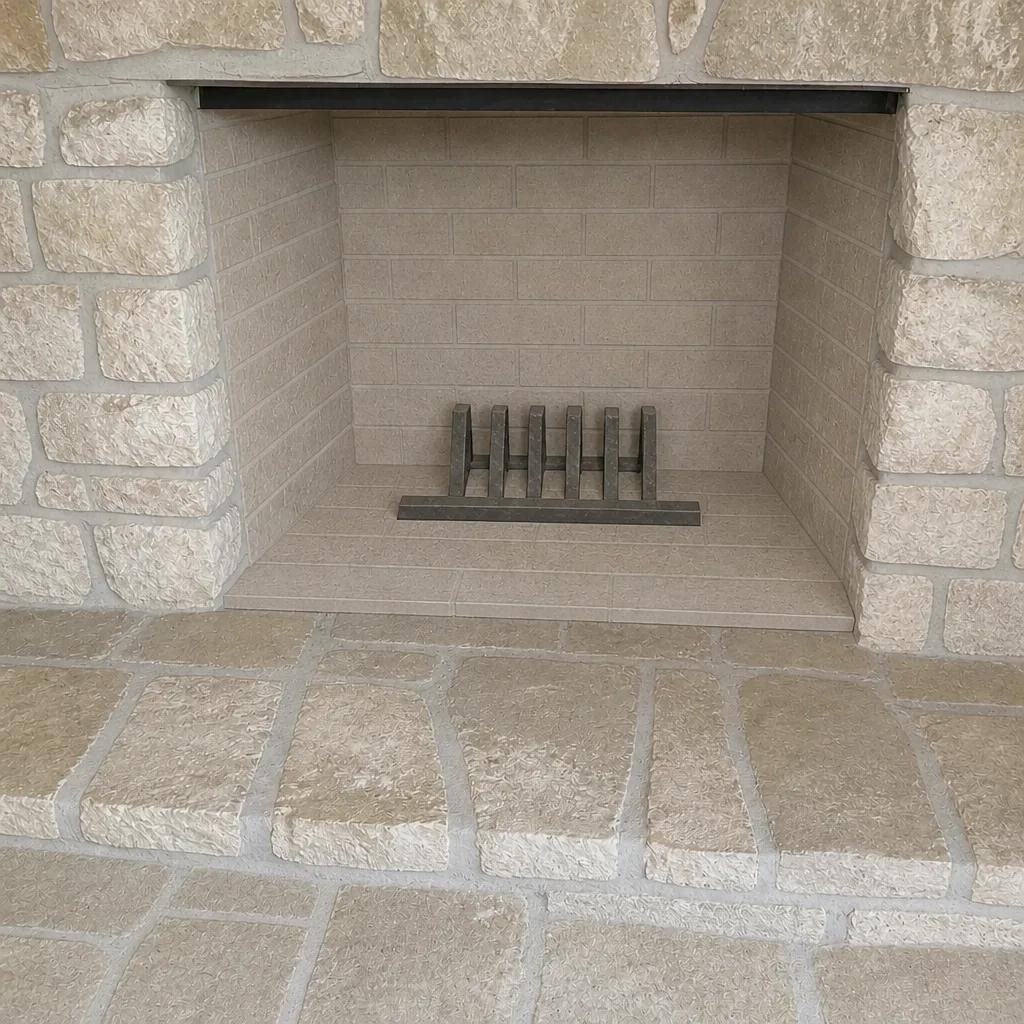
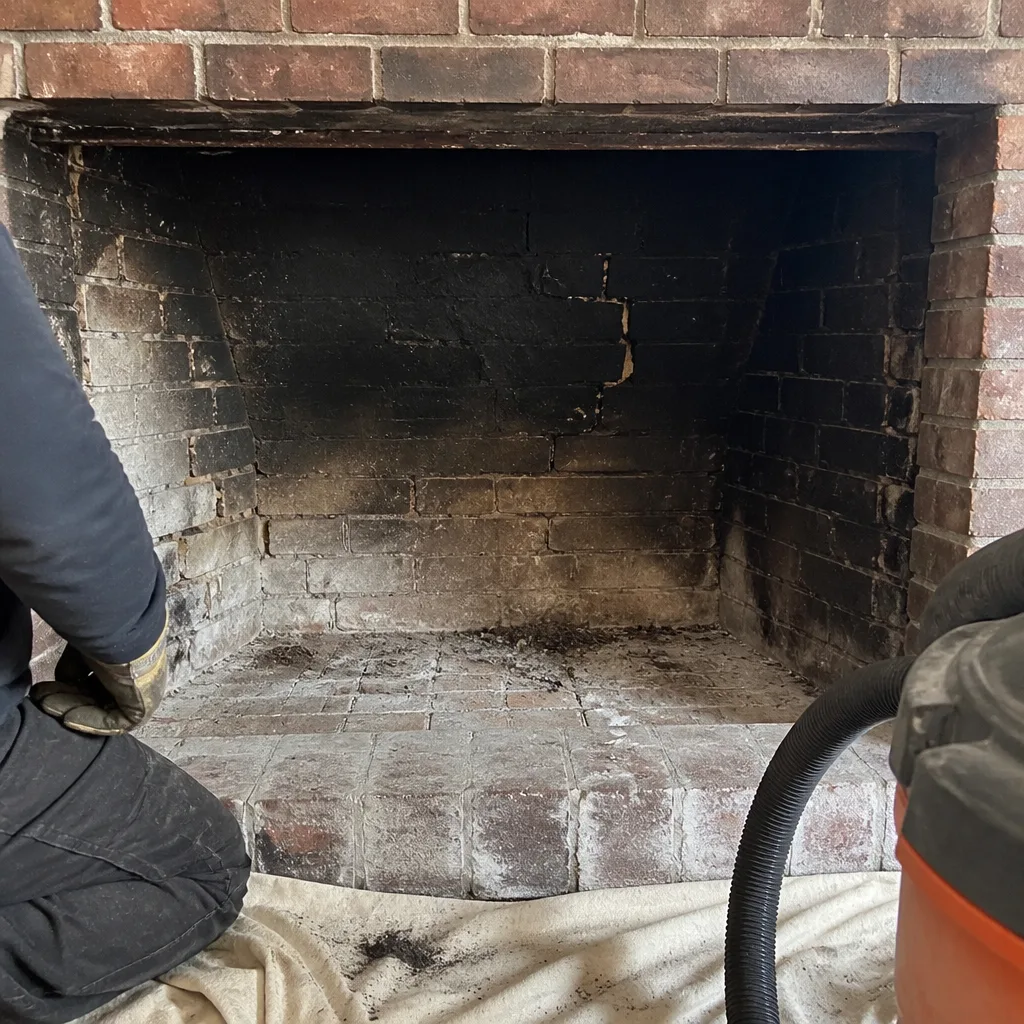
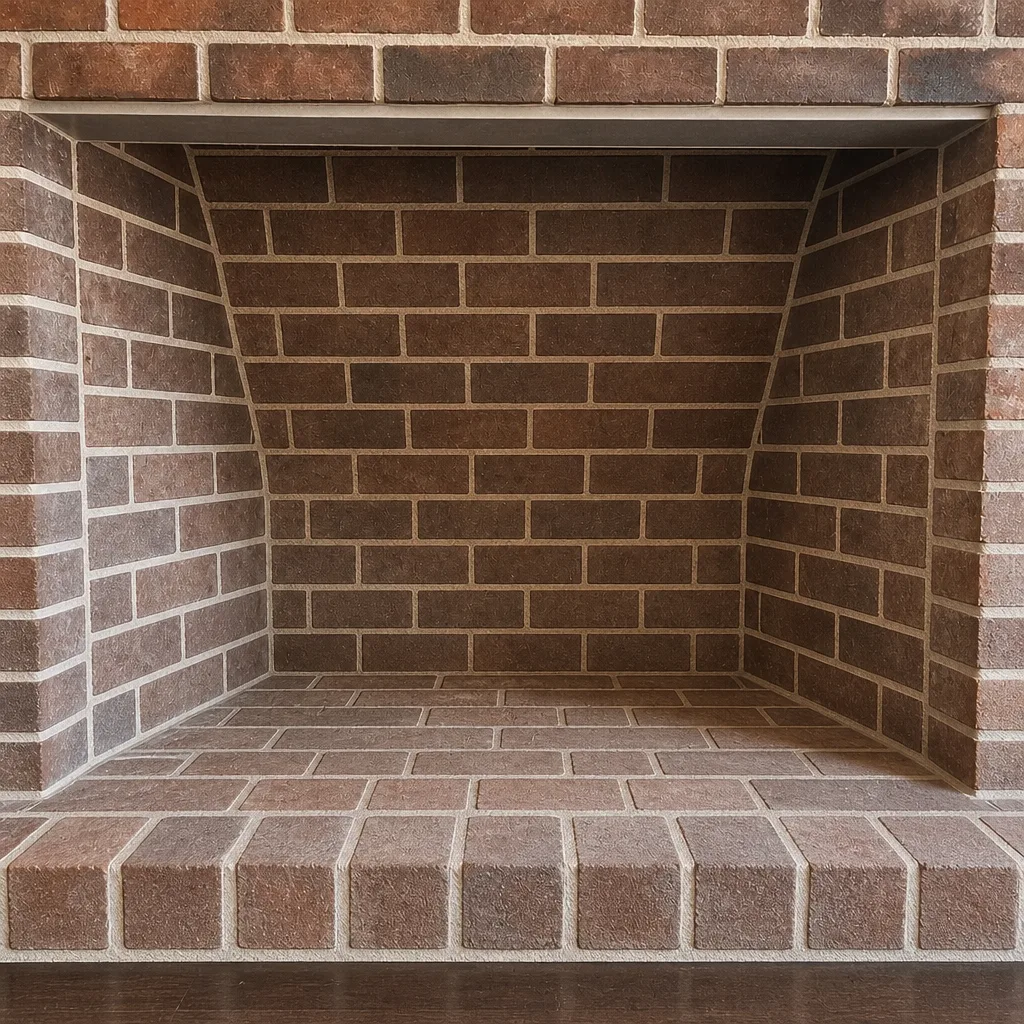
See the difference
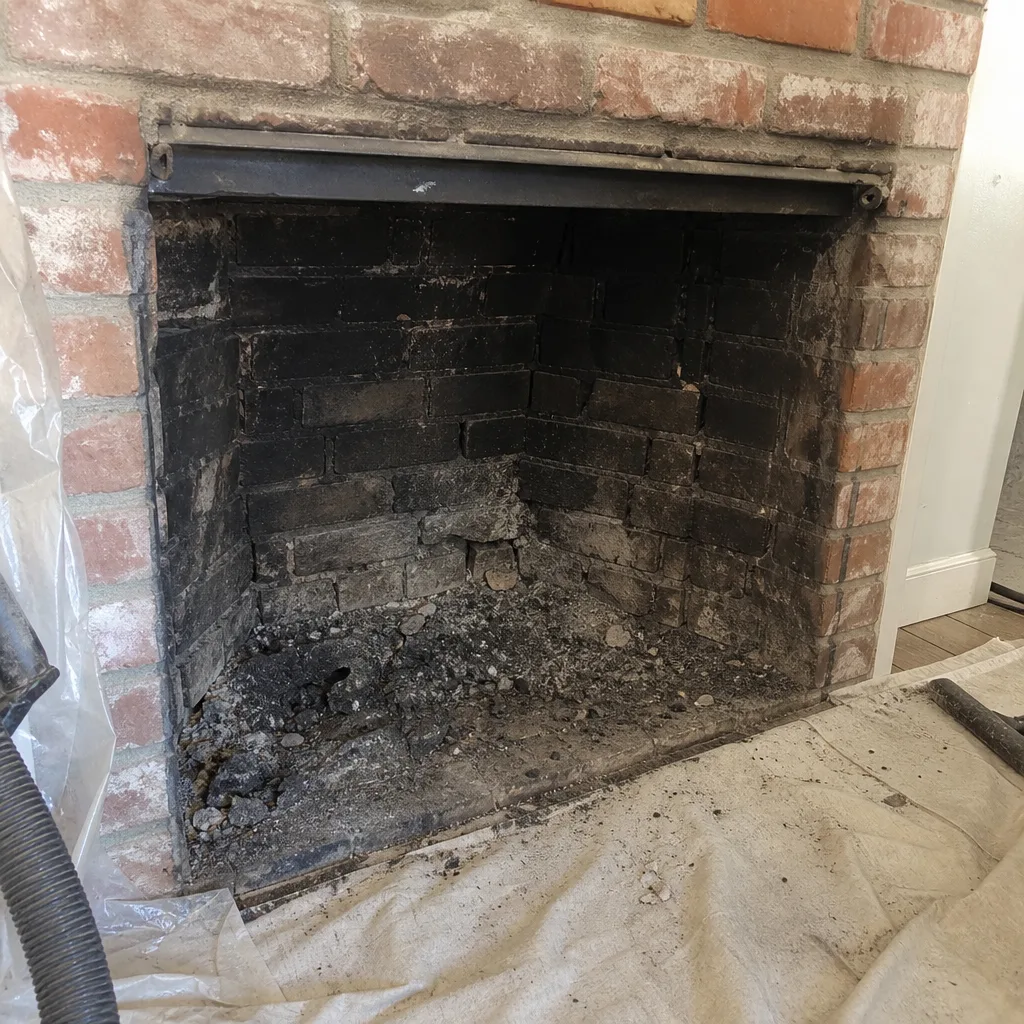 Before
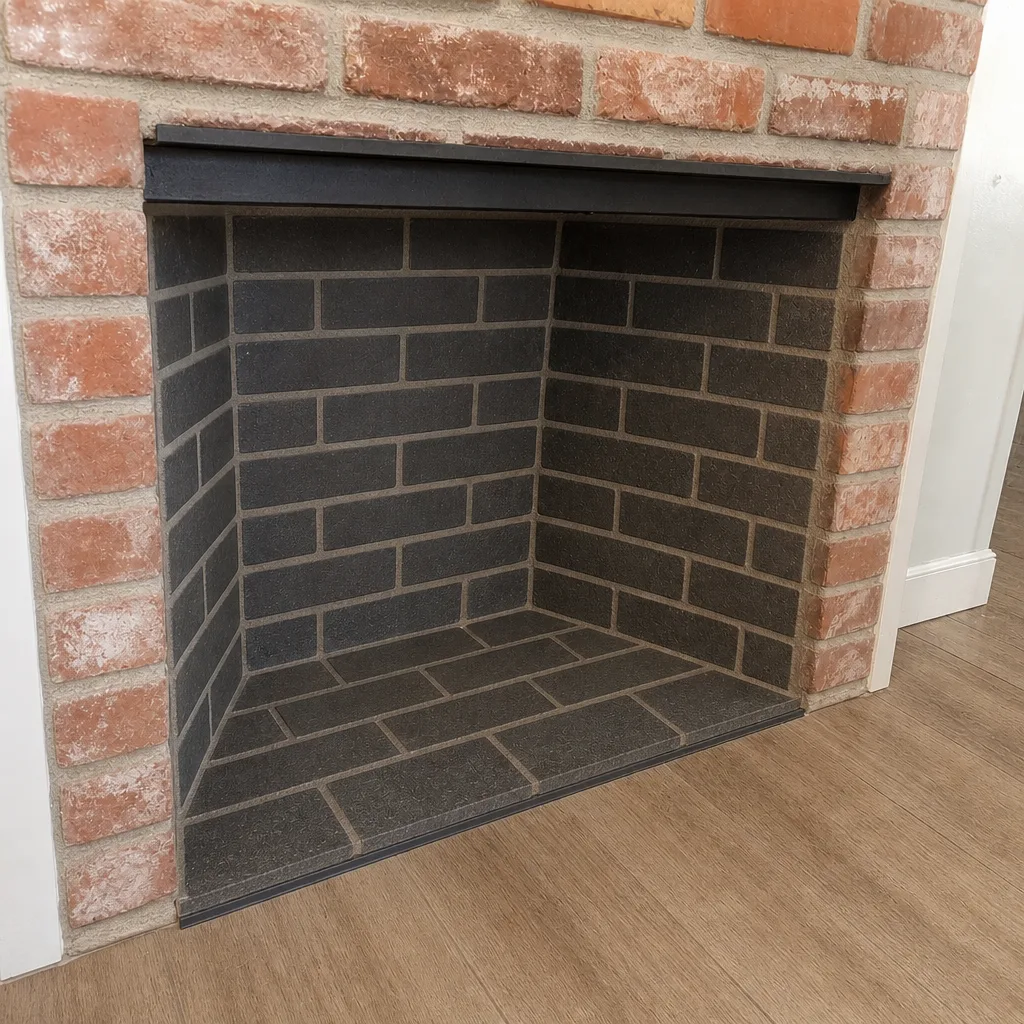 After
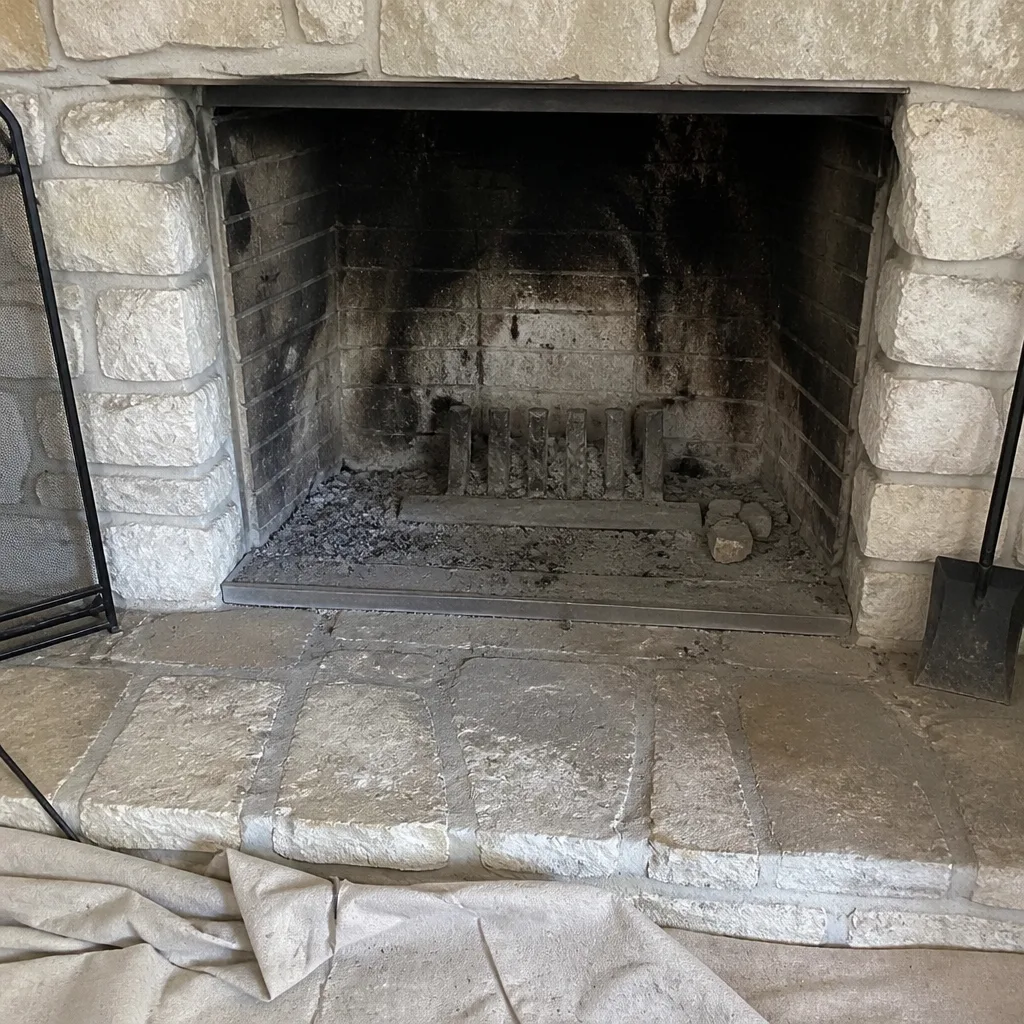 Before
 After
 Before
 After
When to Call a Professional
Call us when the chimney hasn’t been looked at in a year or more, when you smell a smoky, sour odor from the firebox even with no fire burning, when you notice staining on the exterior or a cracked tile inside the flue, or when the first fire of the season smokes back into the room. Call if you’re buying or selling a home in Salinas and need the chimney documented for the inspection report. Call if you’ve had a chimney fire, even a small one – the liner needs checking afterward. And call before the burn season starts, ideally, so the flue is ready well before the first cold night. For any of it, Salinas Chimney Sweep offers free estimates in Salinas – call (844) 834-5211. We answer 24/7, with fast dispatch from 7am to 7pm, Sunday through Friday. Every visit starts with the camera, so you see what we see before anything gets recommended.
Frequently Asked Questions
Most routine cleanings fall within a normal single-visit range, but we price per job after inspecting the chimney, and the written estimate sets the final price. Glazed creosote, a damaged liner, or a blockage changes the scope, so the estimate follows the inspection rather than a standard menu. Call (844) 834-5211 for an exact quote – estimates are free.
Annual cleaning is the standard, even for fireplaces used in bursts rather than daily. In this climate, moisture and overnight cooling make it easier for creosote to reach glazed form, so a chimney that sat unused through a long damp stretch can need attention sooner than its fire count would suggest. Any chimney that has been more than a year without a cleaning is worth a visit.
Not always, and we won’t say so without showing you why. A cracked or failed liner is a real safety issue, but the decision should come from a camera scan, not a guess. Where the liner is worn but not failed, HeatShield ceramic resurfacing can restore it without a full reline. Where the flue is offset, complex, or the existing liner is beyond repair, a DuraFlex flexible system may be the right answer. The choice is yours to make once you’ve seen the condition on camera.
Creosote builds up inside the flue, and glazed creosote is a fuel that can ignite during a normal fire. Many chimney fires are quiet and self-extinguishing, and the homeowner never realizes one happened – until a crack appears, the liner warps, or the chimney stops drafting. Skipping a cleaning also means you don’t learn about a damaged liner or partial blockage until it causes a problem. A yearly visit is the way to catch those early.
No, not if you want an honest answer about its condition. The camera scan is what shows cracks, gaps, misaligned tiles, and the true state of the liner. A sweep without a scan can remove soot while leaving a serious condition undetected. Every cleaning we do includes an inspection, and the Level 2 visit adds the full-length camera documentation.
A sour or smoky odor with no fire burning usually means moisture and soot residue sitting in the flue, and it’s a common pattern in Salinas chimneys that go unused for long stretches of humid air. The draft also pulls air down through a cool flue, which brings the smell into the room. A cleaning plus an inspection tells you whether it’s a buildup issue, a blocked cap, or something more structural.
The Bottom Line
Chimney cleaning in Salinas isn’t a generic maintenance task. The climate here shapes how creosote forms, how fast it hardens, and how much it hides inside the flue. The two things that matter most are annual cleaning before the burn season and a camera inspection that shows you the truth. Glazed creosote is the main ignition risk, and the answer is either a thorough cleaning or a proper restoration with products like HeatShield ceramic resurfacing and DuraFlex liner systems. At Salinas Chimney Sweep, our technicians have up to 14 years of experience, and we work the full cycle – cleaning, inspection, and repair – under one company. Here’s what we found, here’s what it means, here’s your options.
Call (844) 834-5211 for a free estimate. We answer 24/7. Fast dispatch from 7am to 7pm, Sunday through Friday. Closed Saturday. There’s no reason to guess what’s inside your flue – the camera will tell you.
Written by the team at Salinas Chimney Sweep.