
Last updated November 16, 2026
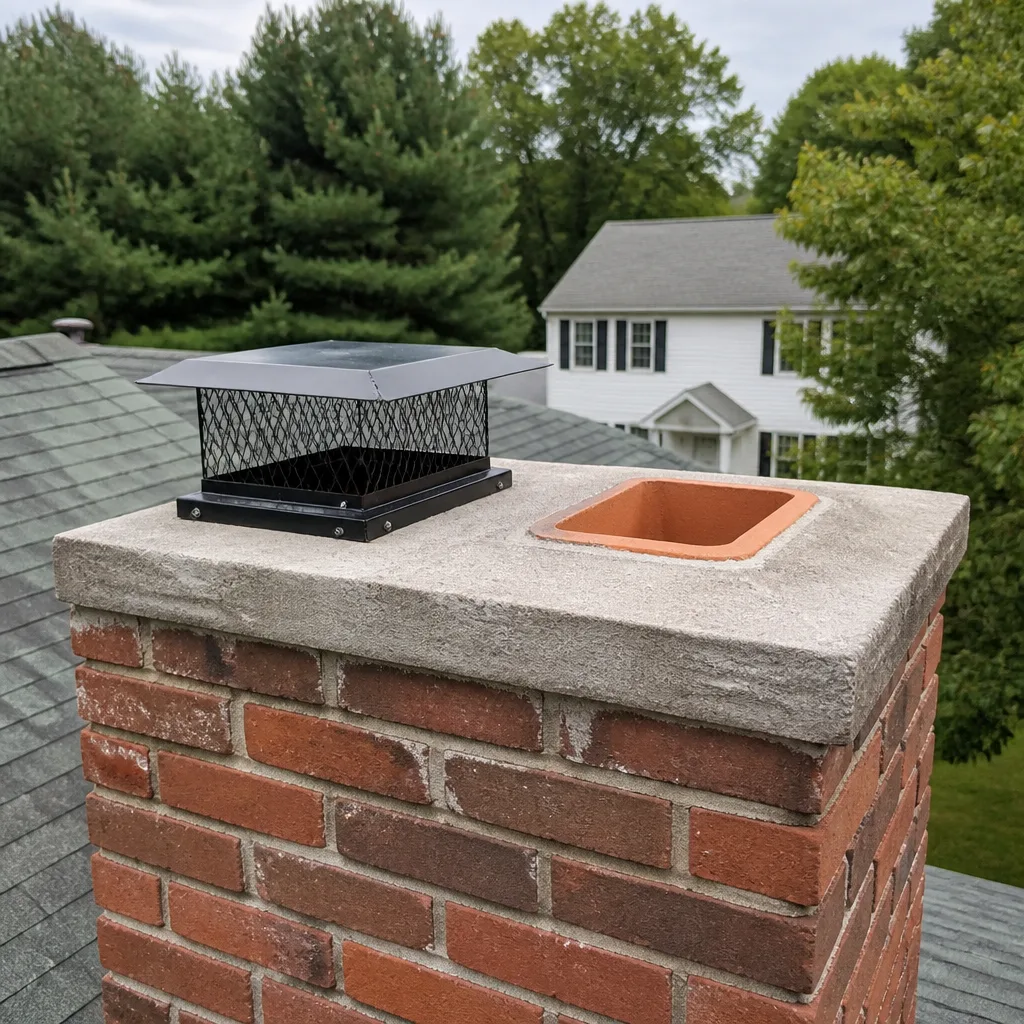 Sweep & inspection
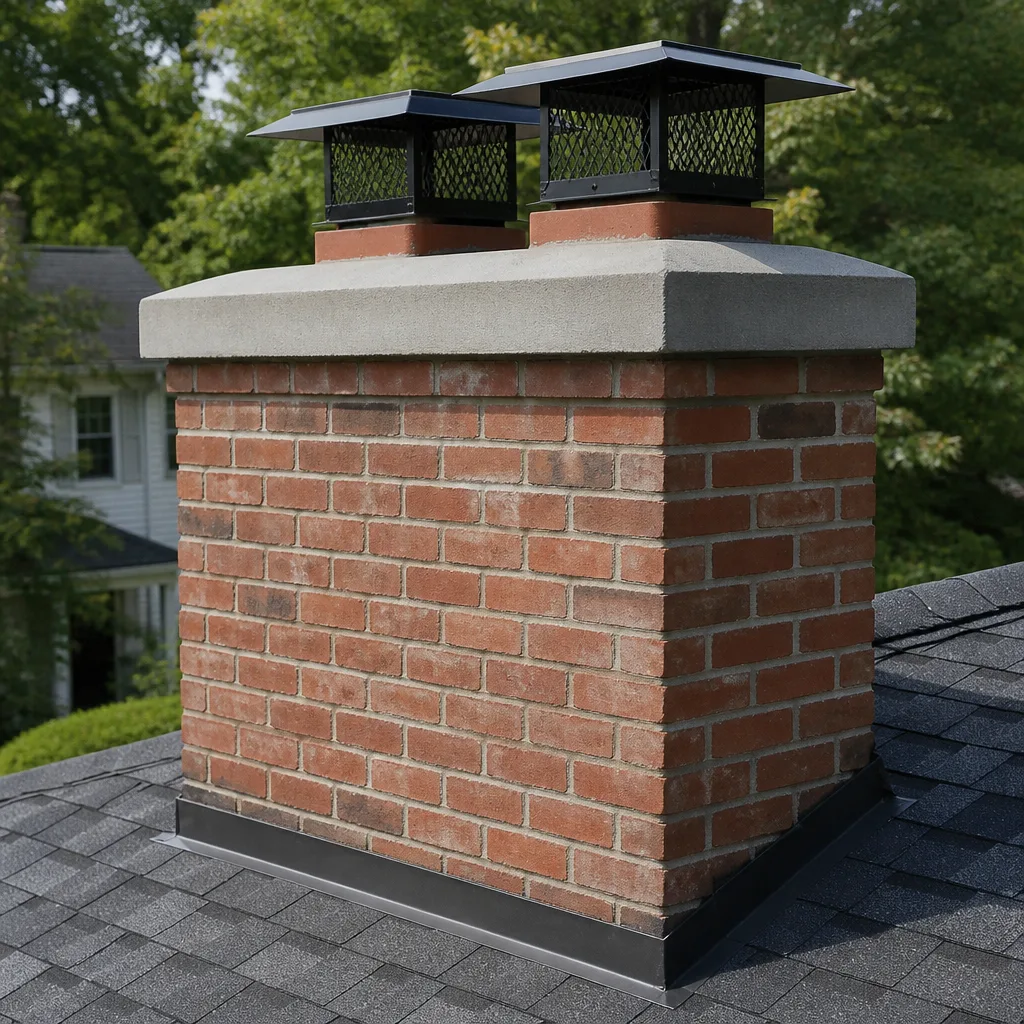 Caps & crowns
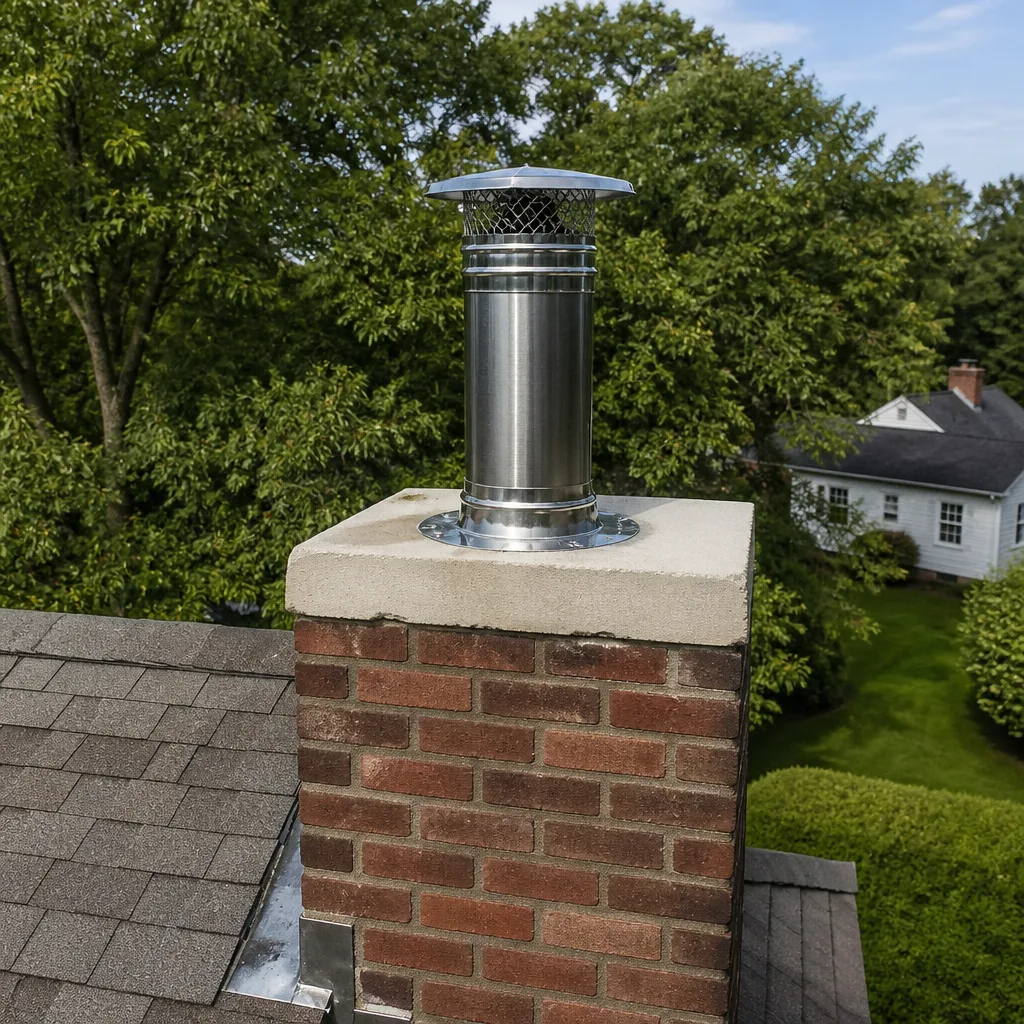 Flue relining
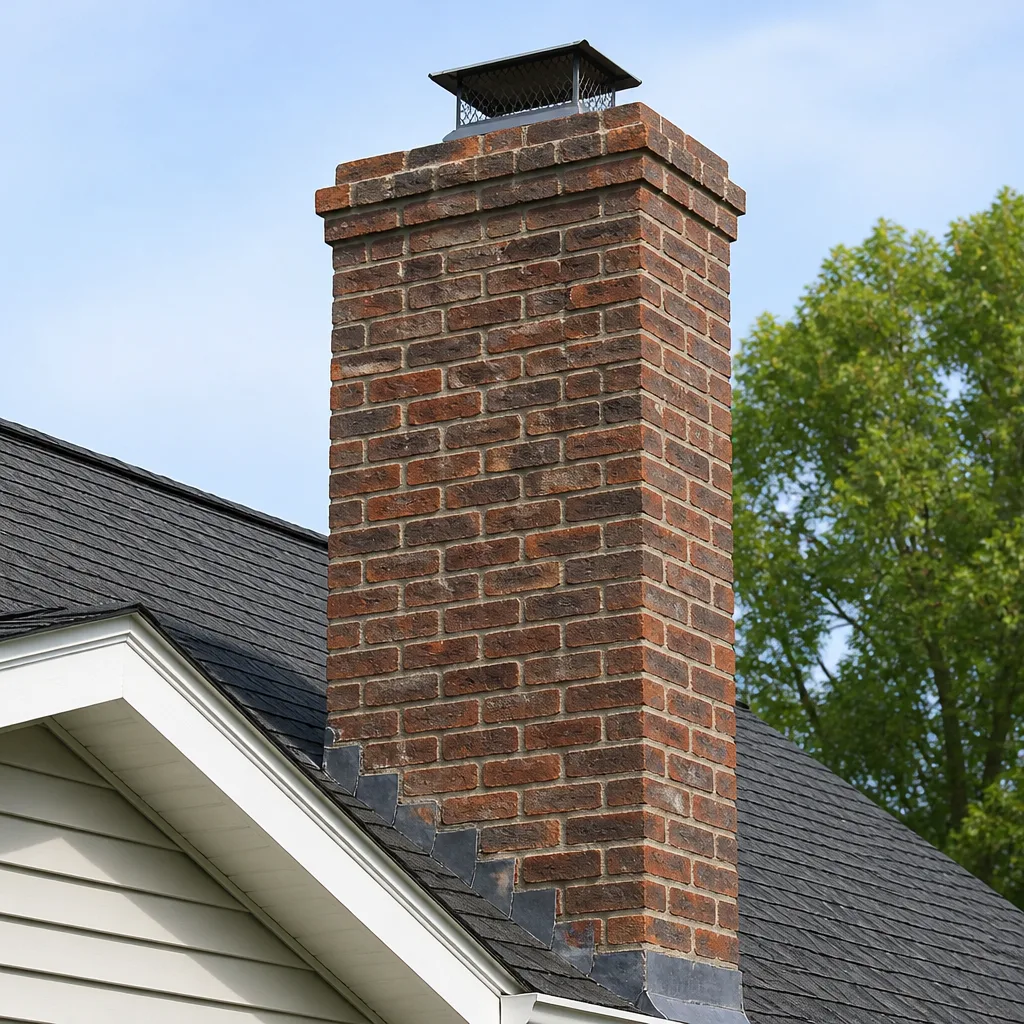 Masonry repair
 Gas fireplace service
Level 1 sweep and inspection to the NFPA 211 annual standard - flue, crown, cap, and flashing checked and photographed
Chimney sweep logs do not sweep chimneys. They loosen some creosote - which then falls where a brush and vacuum still have to collect it.
Seasonal Chimney Cleaning Care for Salinas: Year-Round Homeowner’s Guide
Most chimney care advice is written for a place with four clean seasons and a long, steady heating calendar. Salinas doesn’t work that way. Here, the cold settles in for a stretch of nights from December into March, then the fog rolls back in and the fireplace sits quiet for months. That pattern changes the maintenance math. The risk isn’t snow and ice cracking a flue; it’s what happens during the long, damp dormancy after the last fire goes out. This guide maps chimney care to the Salinas year as it actually unfolds, so you know what to check, when to schedule a sweep, and how to protect a flue that spends far more time idle than in use.
Quick Answer
The best time to book chimney cleaning in Salinas is late September to early October, before the burn season starts and before the November rush. The most important protection task is keeping moisture and residue out of the flue during the foggy June-to-September dormancy. If you’ve already missed that window and a cold snap hits, get a professional inspection before lighting the first fire rather than guessing.
Styles & brands we work with
- Sweep & inspection
- Caps & crowns
- Flue relining
- Masonry repair
- Gas fireplace service
Table of Contents
- Why the Salinas Year Doesn’t Match Standard Chimney Advice
- The June-to-September Dormancy Window and Moisture Risk
- The Optimal Service Window for Salinas Chimneys
- Summer Exterior Tasks: Cap, Crown, and Mortar
- Handling a January Cold Snap Before Your Annual Service
- Spring Post-Season Tasks That Prevent Glazed Creosote
- Building a Year-Round Chimney Care Calendar for Salinas
- Common Mistakes to Avoid
Why the Salinas Year Doesn’t Match Standard Chimney Advice
If you search for chimney maintenance advice, nearly every source tells you the same thing: sweep in the fall and again in the spring. That advice assumes a heating season that runs for months and a dormant season that stays dry. Salinas breaks both assumptions. Fires here tend to be concentrated into a handful of genuinely cold nights across December, January, February, and March, with long gaps between them. Then the marine layer settles in and the chimney goes quiet from roughly June through September.
That compressed, irregular burn season creates two problems standard advice doesn’t address. First, the smoke residue from a dozen or so fires doesn’t get a full season to dry out gradually. It sits in a flue that then spends months absorbing humid air. Second, the long dormancy is when moisture damage actually happens, not during the winter. A flue that stays damp for a full fog season degrades faster than one that freezes and thaws.
Here’s what that means in practice for anyone heating with a fireplace, wood stove, or gas insert in Salinas:
- The annual chimney sweep matters less as a “before winter” ritual and more as a “before the dormancy ends” reset.
- Water is the enemy of a masonry chimney here far more than cold is. Fog is relentless.
- Fires that burn hot and then go out for weeks leave behind residue that can turn glazed and stubborn.
- Scheduling pressure spikes in November because everyone follows the same generic advice, not because November is the best time.
Once you understand the real rhythm of a Salinas year, the timing of every task falls into place.
The June-to-September Dormancy Window and Moisture Risk
The marine layer that keeps Salinas cool and grey in summer is the same thing that makes dormancy the highest-risk window for a chimney. A flue that stays sealed up and unventilated through weeks of humid air collects moisture on its interior surfaces. That moisture combines with leftover creosote and soot, and the result is acidic, sticky, and slow to dry. Over a few seasons it eats into mortar joints and can degrade the flue lining itself.
Here’s what actually happens inside a flue during the foggy months, in general terms:
- Soot and creosote left from the last fires of the season absorb moisture from the humid air.
- That damp residue becomes acidic and begins to break down the mortar between flue tiles.
- Without airflow, the moisture lingers; a closed damper traps it inside.
- A cracked or unsealed crown lets water in from above, compounding the problem.
- By the time you’re ready to light the first fire in December, the damage has already been building for months.
The takeaway isn’t to panic about your flue every summer. It’s to make sure the flue is clean and dry entering dormancy, then closed off properly. A chimney that’s swept clean before the fog settles in has far less material to absorb moisture. That’s the core reason the service window matters so much in Salinas: a clean flue handles dormancy far better than a dirty one.
If you suspect moisture has already gotten in, an inspection will show it. We can’t fix fog, but we can seal a crown, repair a liner, and make sure the flue is dry. A chimney repair that addresses a cracked crown or a failing flue before dormancy can head off a much larger rebuild later.
The Optimal Service Window for Salinas Chimneys
Late September through early October is the best time to have your chimney cleaned and inspected in Salinas. That’s the sweet spot: the fog has thinned, the burn season hasn’t started, and you’re ahead of the November crowd that follows generic fall-sweep advice. A cleaning done in that window means the flue is clean and dry going into the cold months, and any repair found on inspection can be handled before you want a fire.
Why late September beats the November advice:
- You get the chimney checked and cleaned before the first genuinely cold night, not after.
- Scheduling is far easier; the late-fall rush hasn’t started.
- Any repair that turns up has time to be done before you need the fireplace.
- The flue spends the wetter dormancy months clean, which slows moisture and residue damage.
- You have a written record of condition going into winter.
If you can’t book until later, that’s fine. A sweep in November or December still works; it just competes for time with everyone else. The point is that the “before winter” framing most advice uses is really “before the first fire,” and here the first fire often comes earlier than people plan for.
The service itself is routine. A certified technician brushes the flue, checks the firebox and smoke chamber, inspects the cap and crown, and runs a camera down to document condition. You get a plain-language report: here’s what we found, here’s what it means, here’s your options. Nothing gets recommended without evidence you can see for yourself, and we’ll say when work can safely wait. New to the area? Start with our Salinas page for a fuller picture of how the local climate shapes home maintenance.
Summer Exterior Tasks: Cap, Crown, and Mortar
The exterior of your chimney takes more of a beating in Salinas summers than most people realize. The marine layer keeps surfaces damp for long stretches, and that constant moisture works on masonry, mortar, and metal over time. Summer is a good window to look at the outside of the chimney, because it’s dry enough to inspect and repair problems before they get worse. You don’t have to climb up there yourself; an inspection catches these issues, but here’s what to look for and ask about.
Three exterior jobs matter most:
- Cap inspection. The chimney cap keeps rain, debris, and animals out. A cracked or loose cap lets water straight into the flue, which is the last thing a dormant chimney needs. Confirm the cap fits properly and the mesh is intact.
- Crown sealing. The crown is the concrete surface that sheds water away from the flue. Hairline cracks and a worn edge let water seep into the masonry. Sealing the crown is a small job that protects the whole structure.
- Mortar joint repair. Constant moisture breaks down mortar joints over time. Repointing worn joints keeps water from reaching the brick or stone behind them.
This is also where material quality matters. We work with professional-grade supply brands for exactly this reason: a crown sealant or liner component that’s chosen because it was cheap fails faster in a damp climate. The components from Copperfield and Famco are the kind specified by professional chimney contractors, which is a supply chain built for durability, not cost-cutting. When you’re comparing bids on exterior repairs, ask what brand and method the contractor intends to use. “Hardware-store substitute” is a red flag.
If a cap or crown has failed, the fix is often inexpensive and protects you from liner damage down the road. Have it checked during any sweep or inspection.
Handling a January Cold Snap Before Your Annual Service
Cold snaps come fast in the Salinas Valley, and they don’t wait for your schedule. If January turns cold and you haven’t had your annual service yet, you don’t have to skip the fire. But you shouldn’t just light up and hope, either. A realistic triage looks like this:
- Listen and look. Before lighting, look down the flue with a strong light. Visible soot buildup, a heavy black coating, or any cracking in the flue tiles is a reason to stop and get it inspected first.
- Check the draft. Light a rolled-up newspaper or a smoke test and see whether smoke goes up the flue or backs into the room. Poor draft can mean a partial blockage or a problem that needs a professional look.
- Burn dry, well-seasoned wood. Wet or green wood creates far more creosote, and creosote is what fuels chimney fires. If you’re burning before a proper sweep, use the driest wood you have.
- Keep fires hot and short. A smoldering fire deposits more creosote than a hot, active one. Don’t let a fire sit and smoke for hours.
- Book the inspection anyway. Getting through one cold snap safely doesn’t mean the chimney is safe for the rest of the season. Get it checked as soon as you can.
This is a stopgap, not a substitute for service. A flue that hasn’t been swept carries more creosote than one that has, and creosote is the fuel in a chimney fire. Treat a January cold snap as a reason to book an inspection, not a reason to delay one. A trained professional should look down that flue before you rely on it for the rest of the winter. If you’re not sure what the draft test is telling you, an inspection removes the guesswork.
Spring Post-Season Tasks That Prevent Glazed Creosote
After the last fire of the year, there’s a narrow window before the fog settles in, and what you do in that window shapes how the flue holds up through the summer. The goal is to leave the flue clean and dry before dormancy. Residue left in a damp flue is what contributes to glazed creosote, the hard, shiny, tar-like coating that’s far harder to remove than ordinary soot.
Spring tasks worth doing after the last fire:
- Get a sweep right after the season. Clearing soot and creosote before the humid months means less material to absorb moisture during dormancy.
- Check for animal activity. Birds and pests move into open flues; a damaged cap or a loose damper invites them. Confirm the flue is clear before you close it up for the summer.
- Inspect the firebox and damper. A damper that doesn’t seal lets humid air into the flue all summer. A small repair here protects the whole chimney.
- Look for signs of a chimney fire. Puffy, honeycombed creosote, warped metal, or cracked tiles suggest a hot fire happened at some point. That warrants a closer inspection, not a shrug.
Glazed creosote is stubborn and sometimes needs specialized removal. If a sweep finds it, the right response is a proper cleaning and a look at the liner’s condition, not a chemical spray from the hardware store. Our technicians use professional-grade products because the job calls for it. A sweep that dismisses glazed creosote as “just soot” isn’t doing the job properly.
Cleaning after the season, rather than only before the next one, is the single best way to protect a flue through a Salinas summer. It puts a clean, dry flue in the closet, so to speak, for the foggy months.
Building a Year-Round Chimney Care Calendar for Salinas
A Salinas chimney does best on a calendar built for its climate, not a generic national one. Here’s a practical year-round rhythm you can follow:
- Late September to early October: Annual sweep and inspection, before the burn season and before the fall rush. This is the anchor appointment.
- November through March: Burn season. Burn dry wood, keep fires hot, and watch for signs of poor draft or a partial blockage.
- After the last fire (March or early April): A post-season sweep and a check for animal activity, damper function, and any signs of a chimney fire.
- Late spring: Exterior inspection of cap, crown, and mortar before the fog season. Handle any repairs found.
- June through September: Dormancy. Keep the flue clean and dry, cap intact, damper sealed. This is when moisture damage happens, so this is the window to prevent it.
- Anytime: A prompt inspection if you notice a smell, poor draft, visible cracking, or a cap that’s come loose.
Two appointments a year (a fall pre-season sweep and a spring post-season sweep) keep a chimney in good shape and catch problems before they compound. If you can only do one, make it the fall pre-season appointment. That’s the one that gets you into the burn season with a clean flue and a written record of condition, which is also useful for insurance, a future home sale, or plain old peace of mind about your maintenance plan.
Our technicians have up to 14 years of experience and handle cleaning, inspection, and repair under one roof. That matters when a sweep turns up a cracked flue or a worn liner: you’re not sent shopping for a second contractor. We install DuraFlex flexible liner systems for relining aging or offset flues, and HeatShield ceramic resurfacing can restore a liner without a full reline. When those options fit, you hear about them; when they don’t, we say so.
Common Mistakes to Avoid
- Following the generic “sweep before winter” advice and nothing else. That leaves the dormancy window unprotected, which is where moisture damage actually happens in a Salinas climate. Build a second, spring appointment into the year.
- Sealing the flue up clean-less for summer. A dirty flue left damp through the fog season degrades faster. Sweep before dormancy, not just before winter.
- Burning wet or green wood to stretch the woodpile. It creates far more creosote, and creosote is what burns in a chimney fire. Dry, seasoned wood is the single biggest factor in a safe fire.
- Assuming the chimney is fine because the fire draws. A flue can be badly coated and still draft well enough to seem normal. Only an inspection shows what’s actually inside.
- Ignoring the exterior until something leaks. A cracked crown or a failed cap lets water in for months before you notice. Have the cap and crown checked before the fog season.
- Choosing cheap liner materials to save on a repair. A hardware-store substitute fails faster in a damp climate than a professional-grade component from a brand like DuraFlex or HeatShield. The savings don’t last.
- Skipping the inspection because you only wanted a cleaning. The cleaning is routine; the inspection is where problems get caught. Get the written report even when the chimney seems fine.
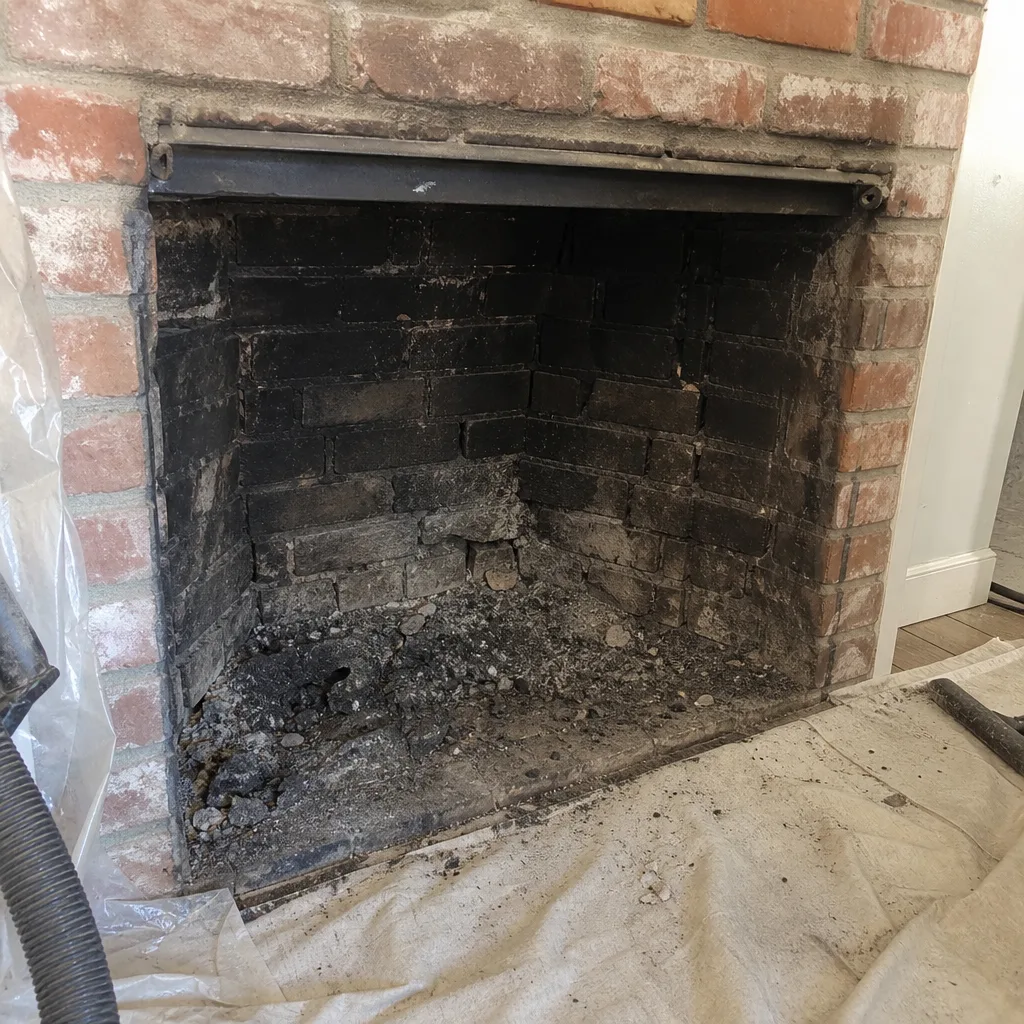
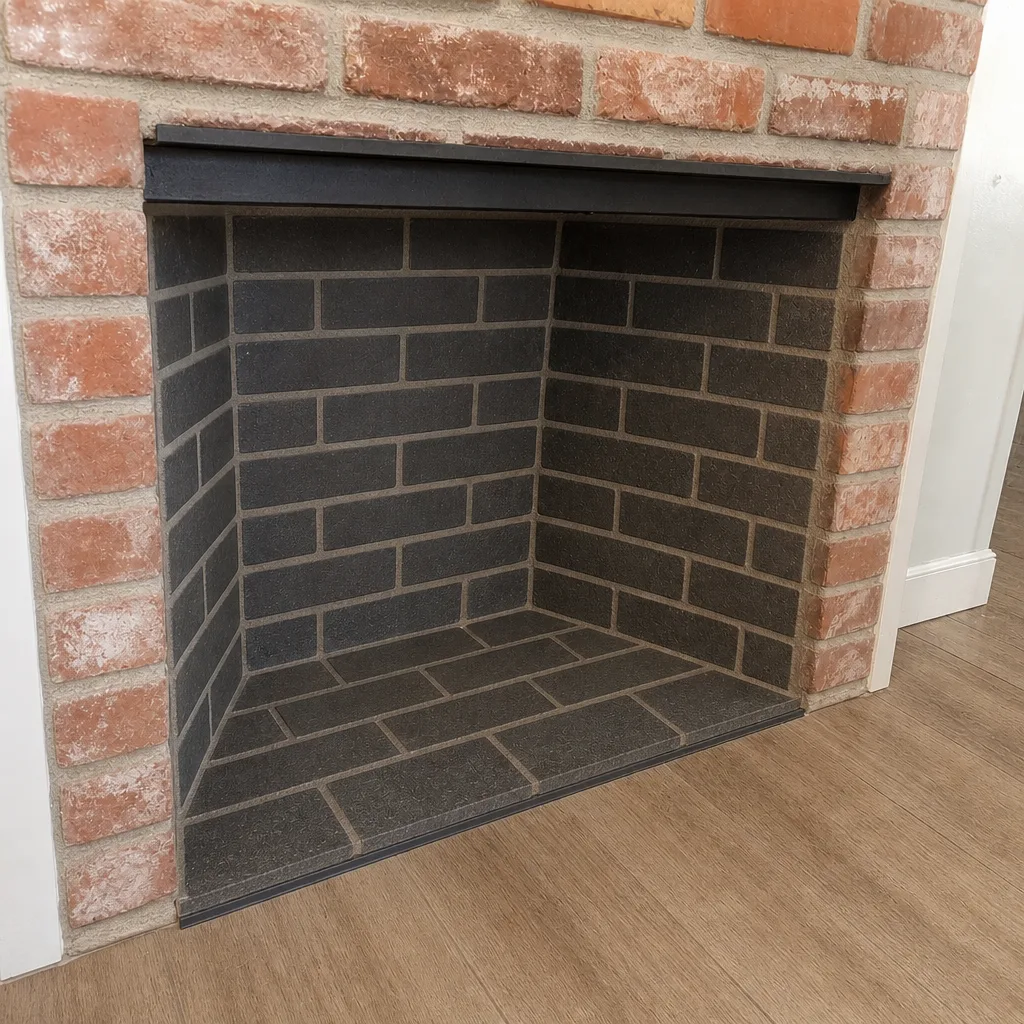
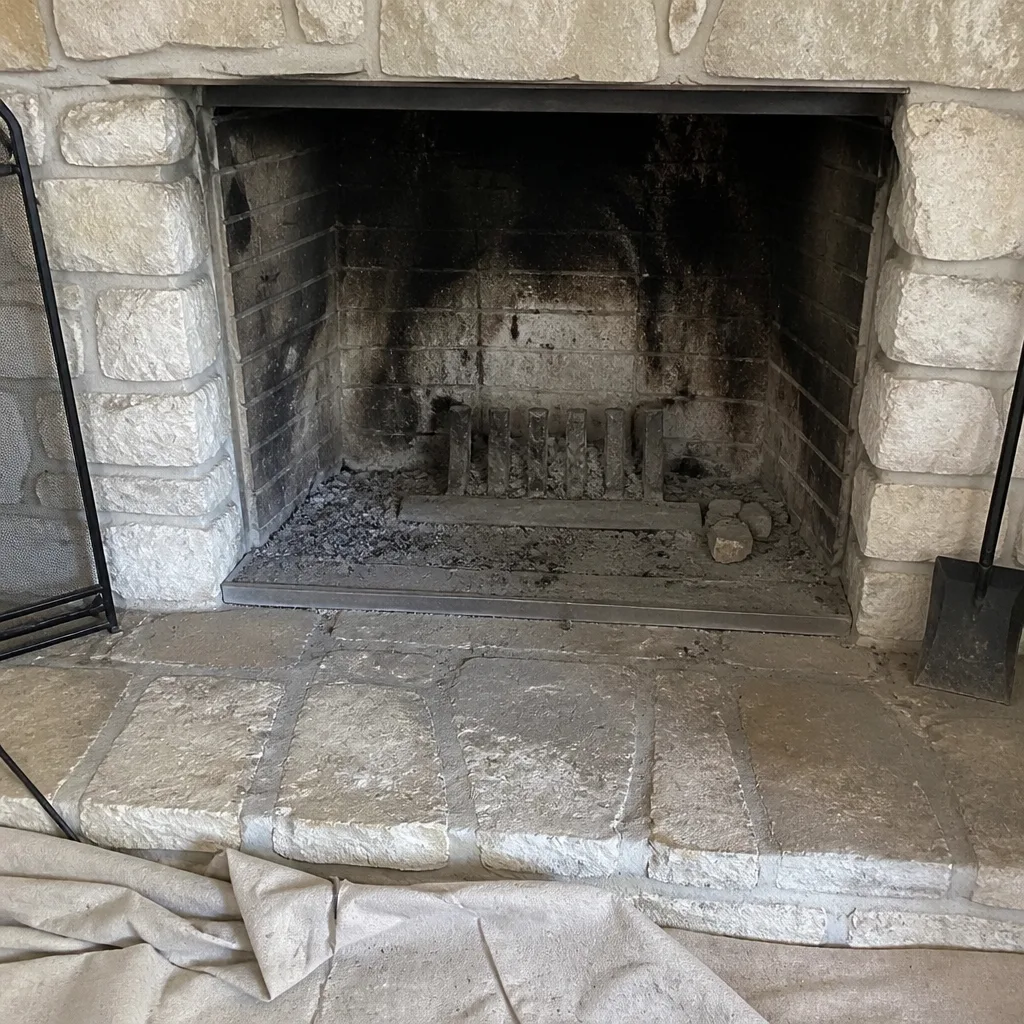
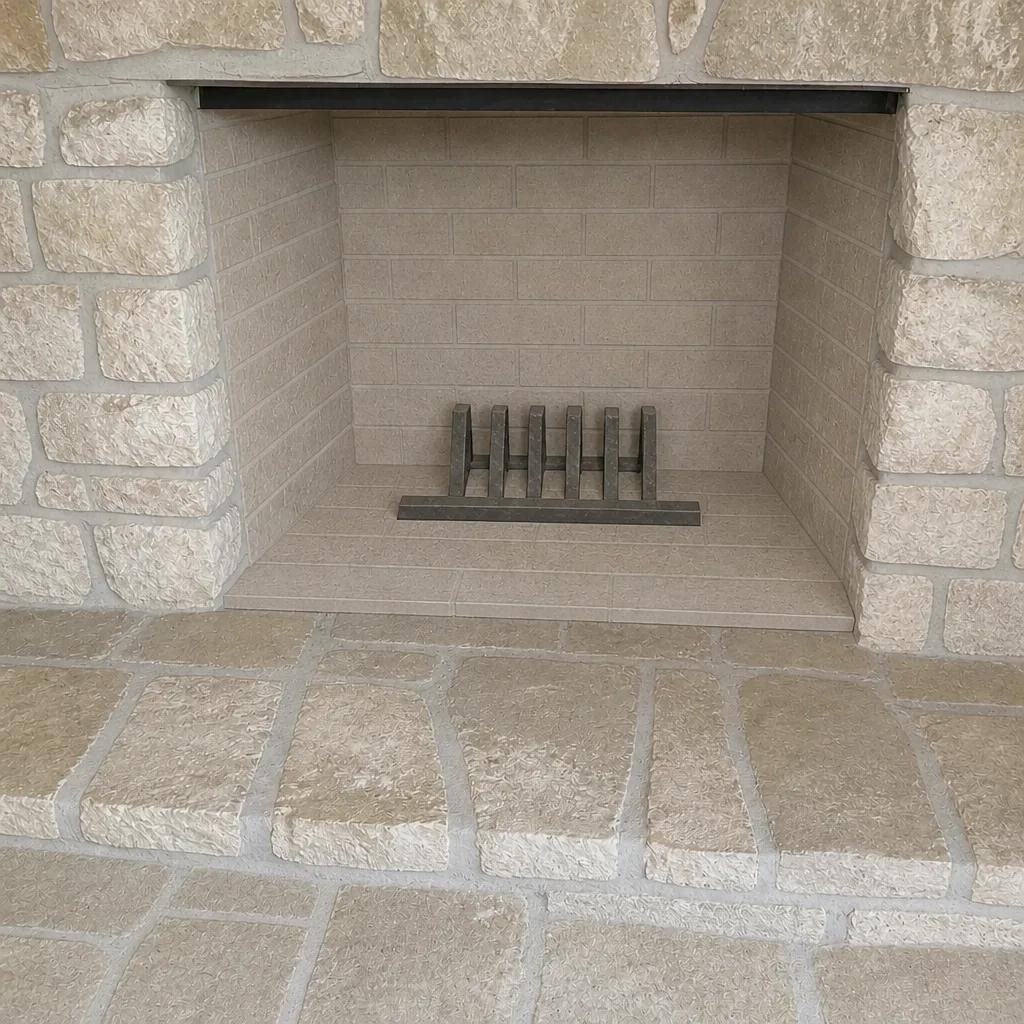
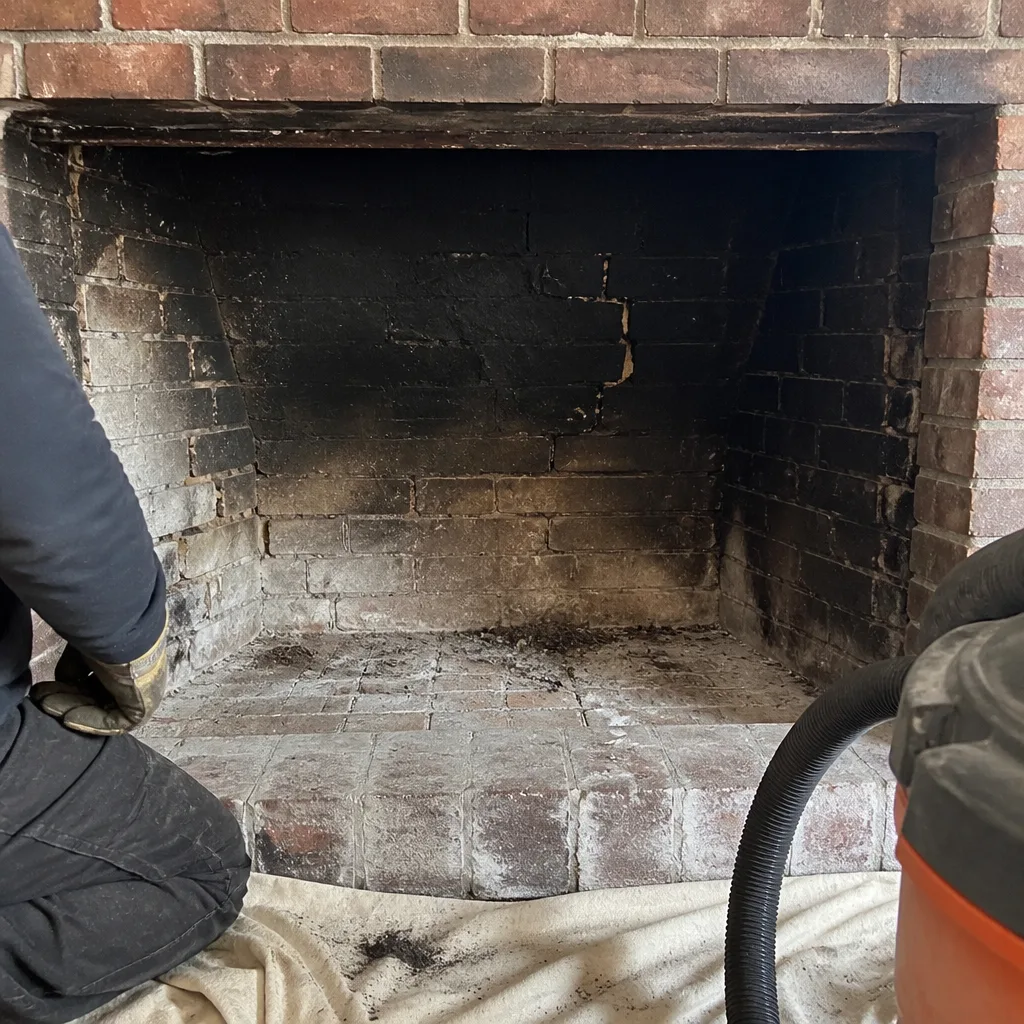
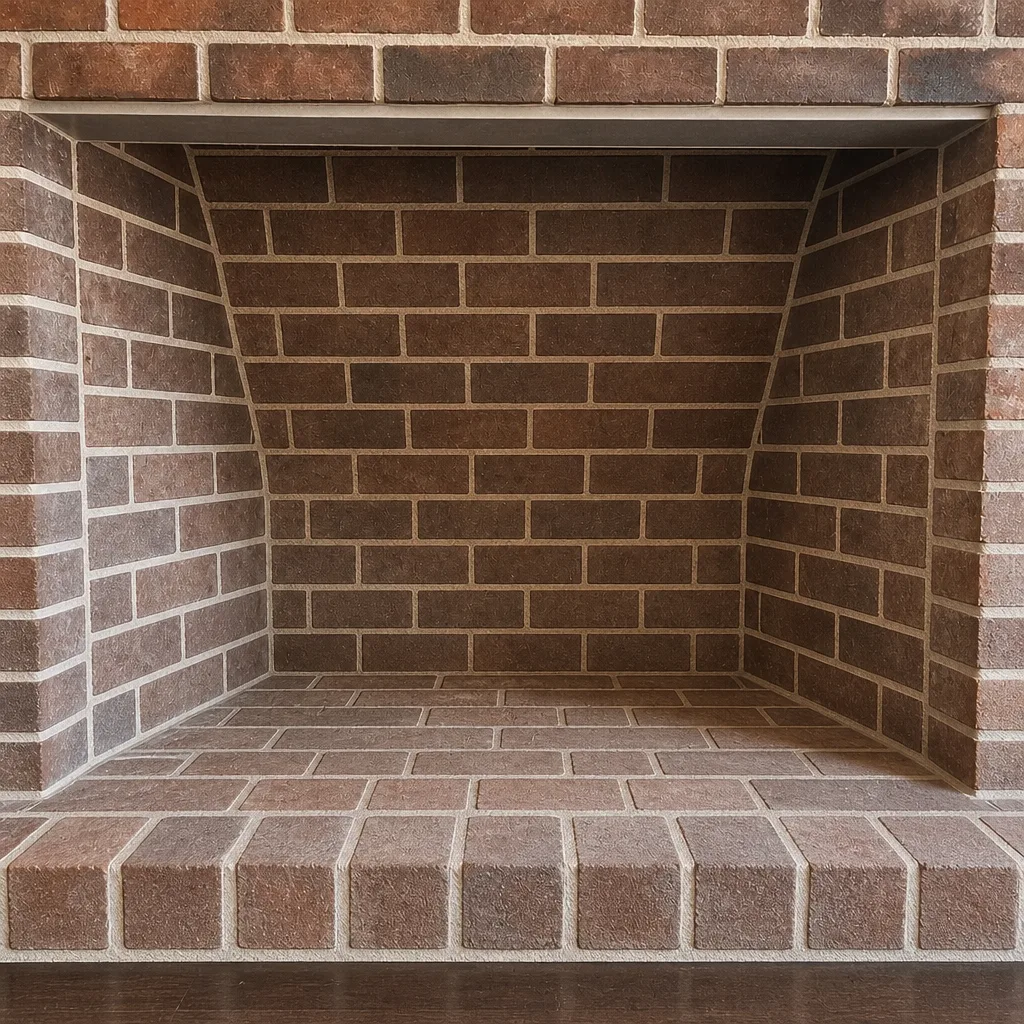
See the difference
 Before
 After
 Before
 After
 Before
 After
When to Call a Professional
Some chimney tasks are routine, and some are a reason to stop and make a call. Pick up the phone if you notice any of the following: a strong smoky smell in the house when the fireplace isn’t in use, smoke that backs into the room when you light a fire, visible cracking or deterioration in the firebox or flue, a chimney cap that’s come loose or is missing, animals or debris visible in the flue, or a fire that won’t draw properly. Any of these can point to a blockage, a failing liner, or a moisture problem that has been building. If you’ve never had the chimney inspected, start there. If you’re not sure what you’re looking at, an inspection removes the guesswork and gives you a written record.
Salinas Chimney Sweep offers free estimates in Salinas – call (844) 834-5211. We answer 24/7, and fast dispatch runs from 7am to 7pm, Sunday through Friday. A call outside dispatch hours is booked into the next opening.
Frequently Asked Questions
Once a year for most Salinas households, and twice a year if you burn frequently or notice buildup. Because the burn season here is short but the dormancy is long and humid, a fall pre-season sweep plus a spring post-season sweep works well; if you only do one, do the fall one before the season starts. Call (844) 834-5211 for an exact quote – estimates are free.
Residue builds up in the flue, and a Salinas flue then sits damp through the fog season, which accelerates moisture damage to mortar and liner. That residue is what fuels a chimney fire, and damage you can’t see grows while the fireplace is idle. Skipping a year isn’t an emergency, but it’s a risk worth closing out; an inspection shows whether the flue is still safe. Call (844) 834-5211 for an exact quote – estimates are free.
Not always. A liner only needs replacing when inspection shows cracking, deterioration, or a fit problem that resurfacing can’t solve. HeatShield ceramic resurfacing can restore a liner without a full reline, and when a new liner is the right answer, a DuraFlex flexible system handles offset or aging flues that rigid liners can’t. Nothing gets recommended without camera evidence you can see. Call (844) 834-5211 for an exact quote – estimates are free.
Yes. The humid summer fog keeps the air damp for weeks, and a closed, unventilated flue collects moisture that combines with leftover soot and creosote. That damp, acidic residue is what breaks down mortar and liner material over time. The fix is a clean, dry flue entering dormancy and a sealed crown and cap. Call (844) 834-5211 for an exact quote – estimates are free.
A typical sweep in Salinas runs in a modest range, with the written estimate setting the final price; inspection and any repairs are quoted separately based on what’s found. We give a flat price before booking so there are no surprises. A free estimate is the fastest way to get an exact number. Call (844) 834-5211 for an exact quote – estimates are free.
You can, but with care and a quick look first. Check the flue with a light for heavy soot or cracking, test the draft before you commit to a fire, burn dry wood, and keep fires hot rather than smoldering. Get an inspection as soon as you can after the cold snap. Call (844) 834-5211 for an exact quote – estimates are free.
The Bottom Line
Salinas doesn’t heat like most of the country, and its chimney care shouldn’t follow a national template either. The risk here is moisture during the long, foggy dormancy, not snow and ice, and the best protection is a clean, dry flue going into the summer. Book your anchor sweep in late September or early October, add a spring appointment after the last fire, keep the cap and crown sealed, and burn dry wood. Handle a January cold snap with a careful look and a prompt inspection. One call covers cleaning, inspection, and repair, with transparent pricing and professional-grade materials. If you want a plain-language assessment of what’s safe, what needs attention, and what can wait, call (844) 834-5211 for a free estimate. We answer 24/7, with fast dispatch from 7am to 7pm, Sunday through Friday.
When you’re ready to get started, reach out to Salinas Chimney Sweep and we’ll walk you through your options.
Written by the team at Salinas Chimney Sweep.