
Last updated November 16, 2026
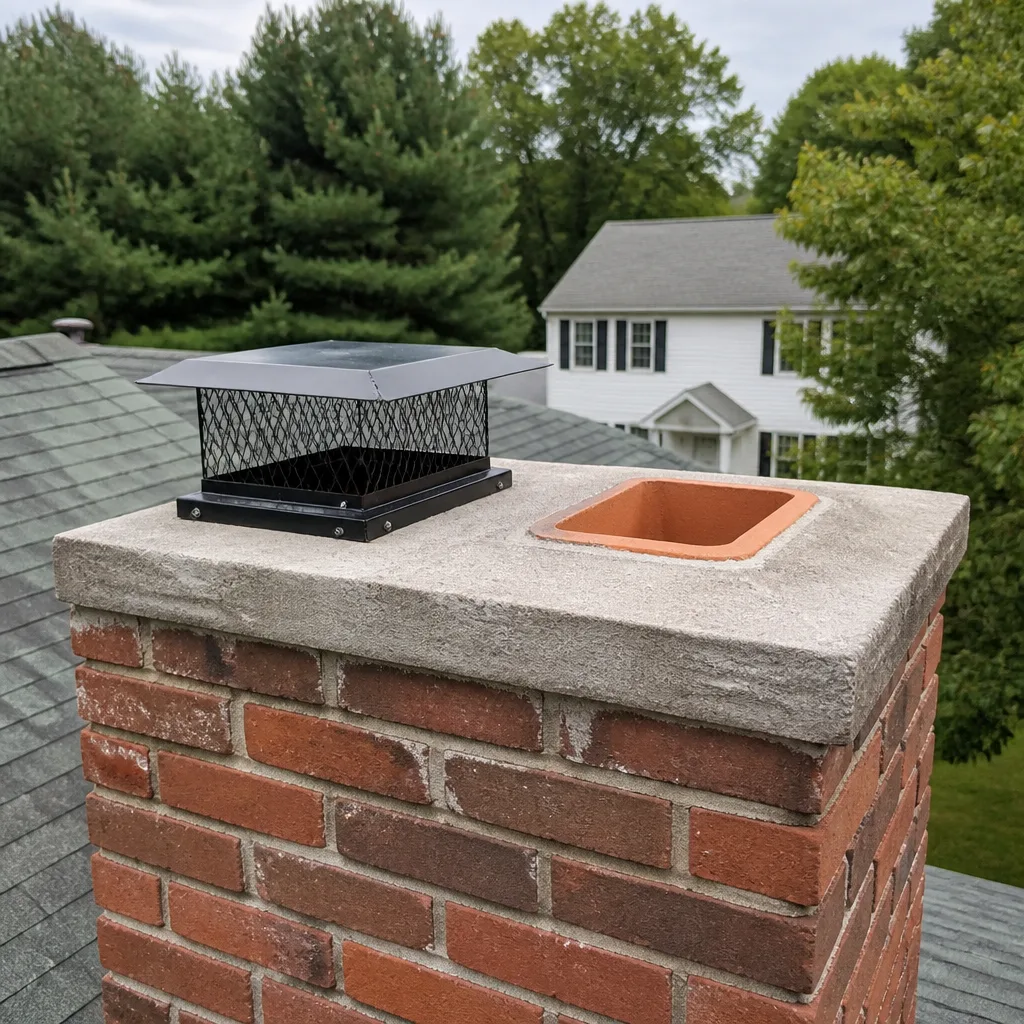 Sweep & inspection
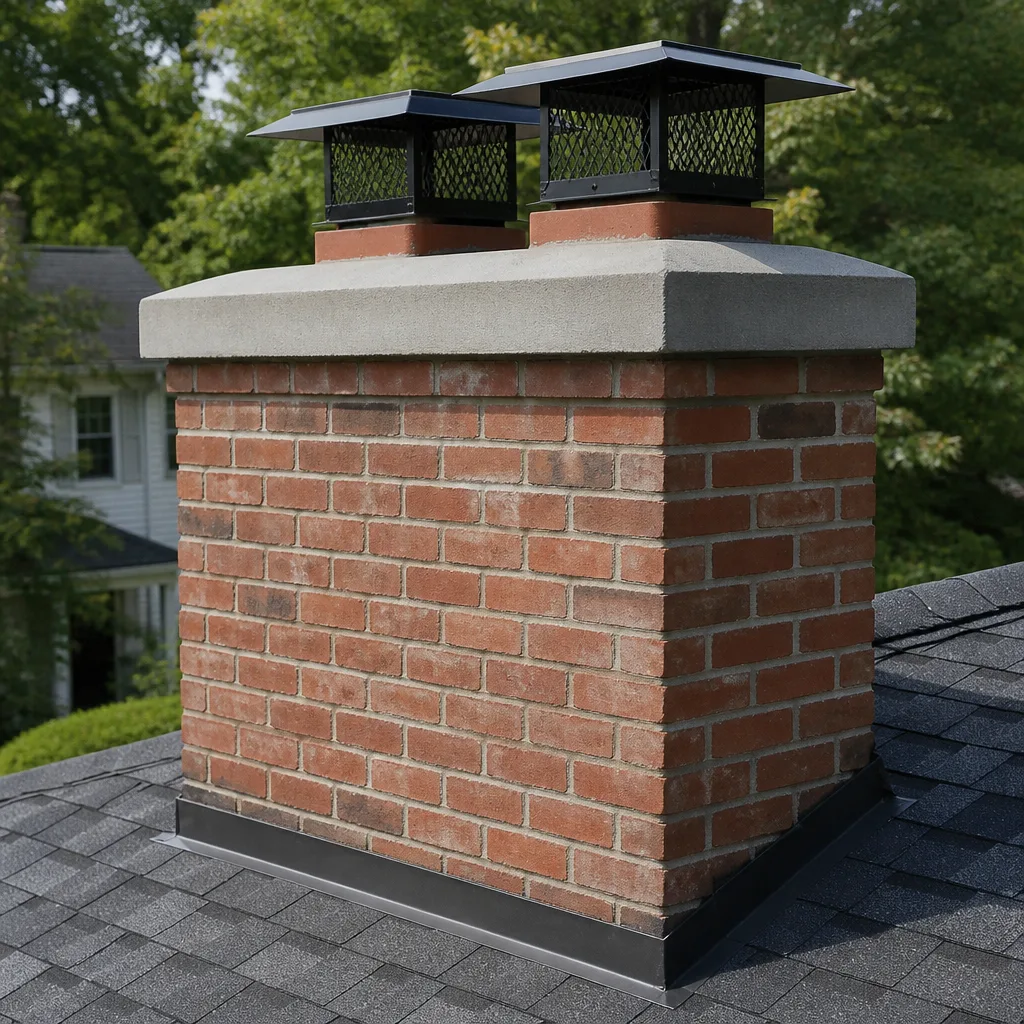 Caps & crowns
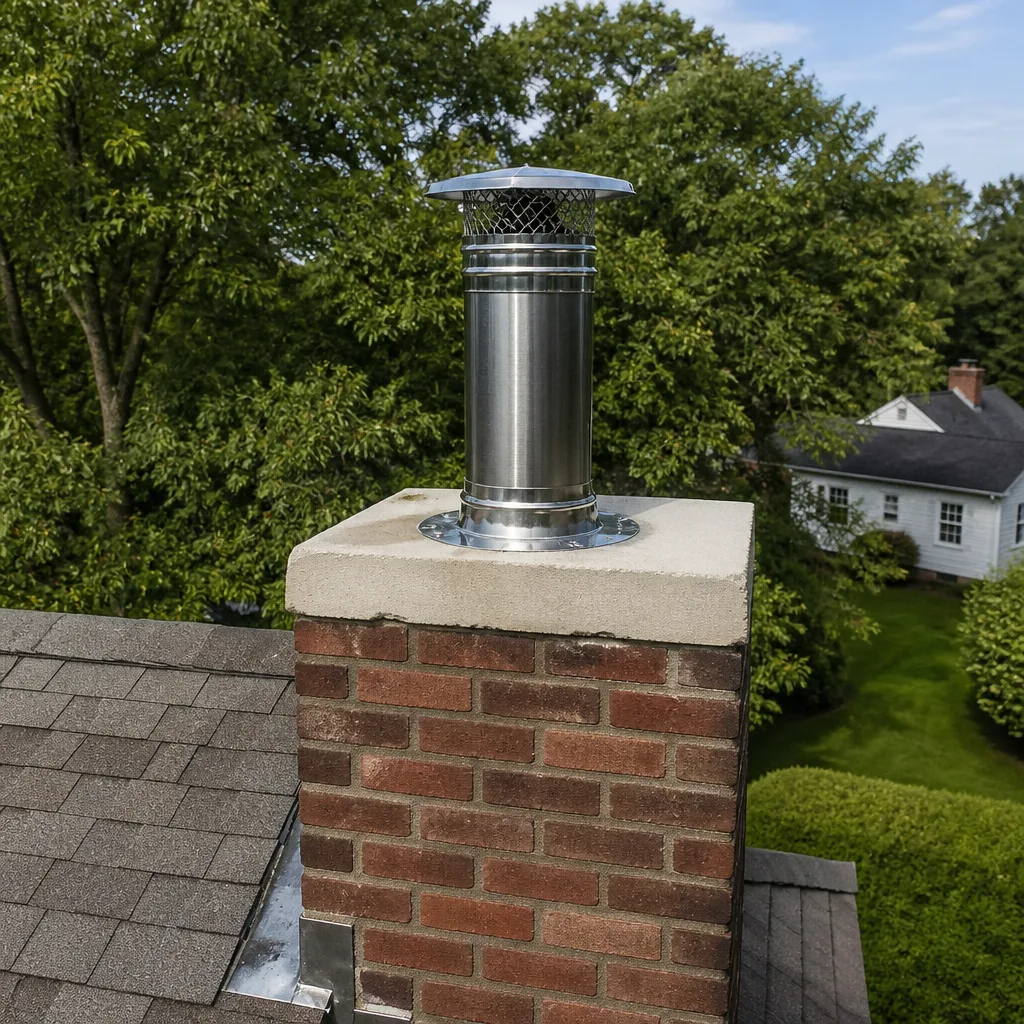 Flue relining
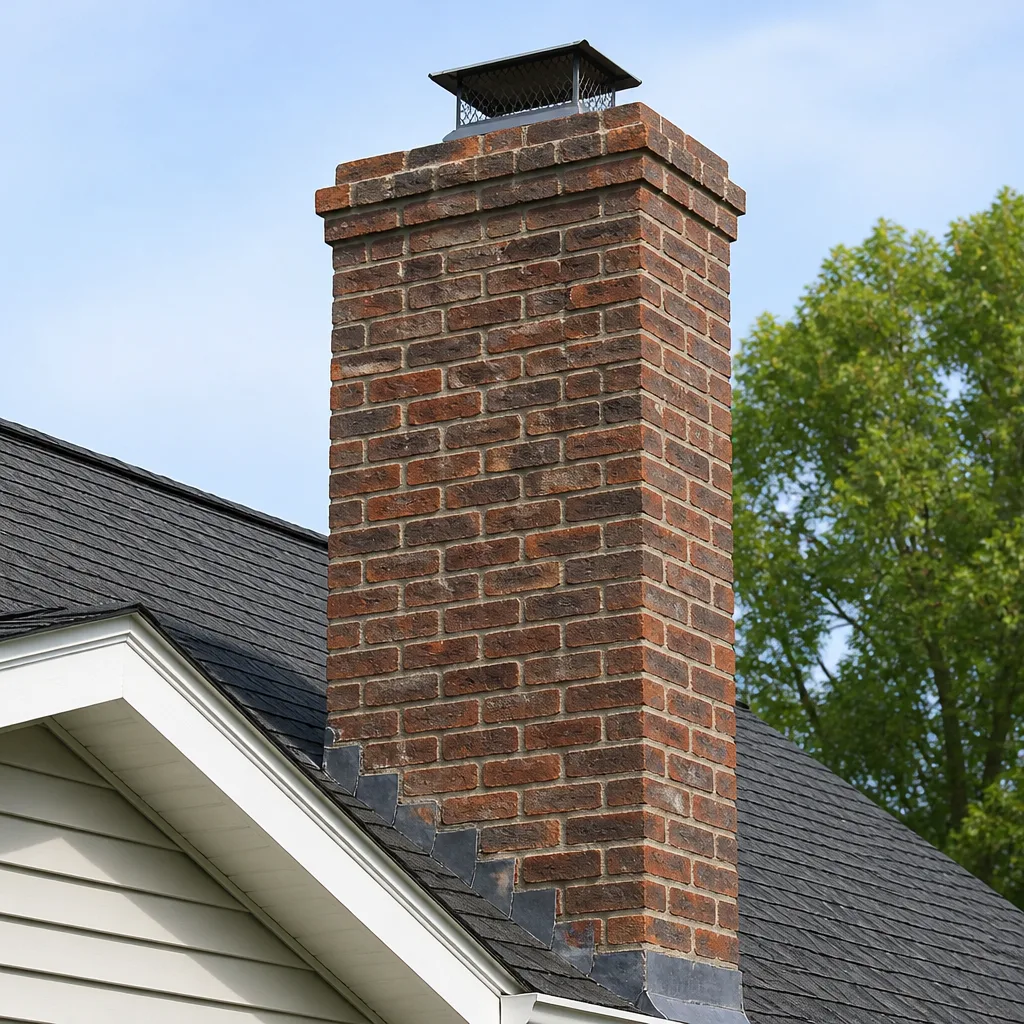 Masonry repair
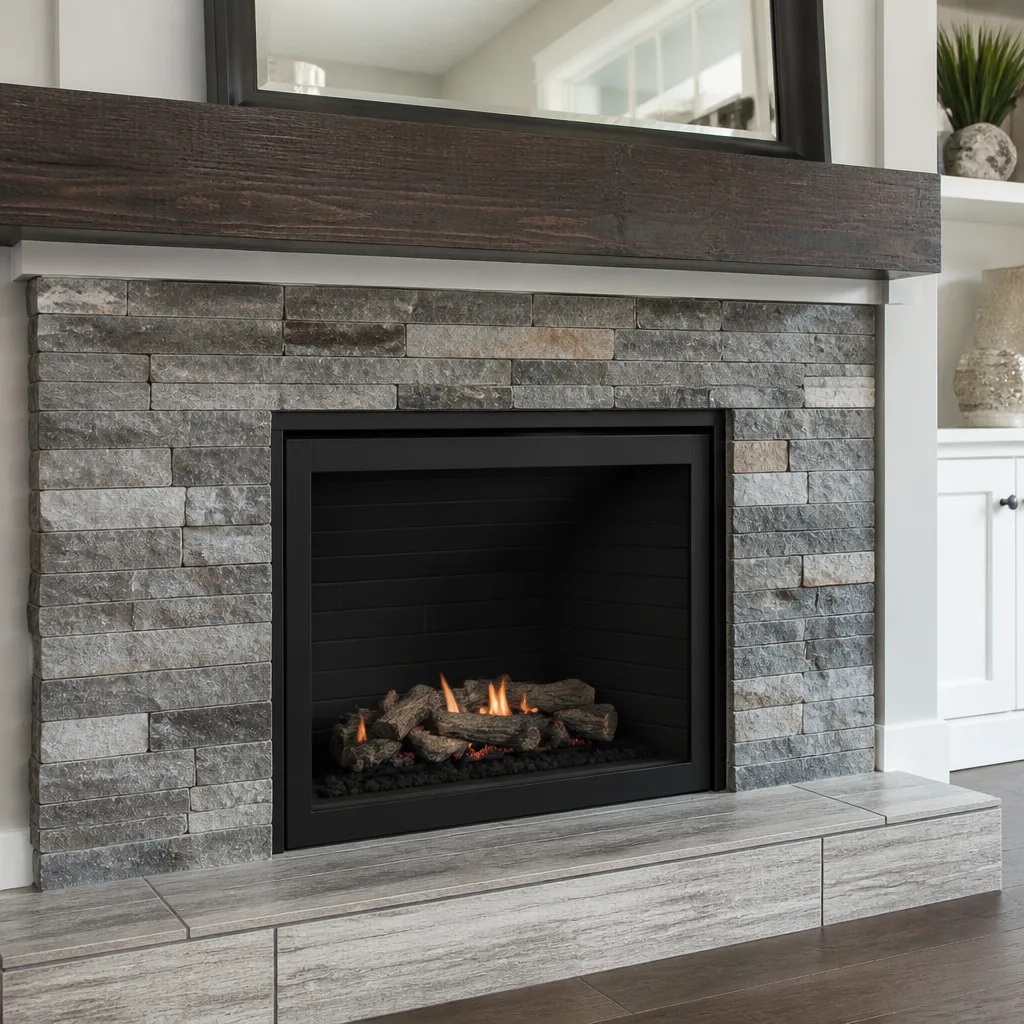 Gas fireplace service
Level 1 sweep and inspection to the NFPA 211 annual standard - flue, crown, cap, and flashing checked and photographed
Chimney sweep logs do not sweep chimneys. They loosen some creosote - which then falls where a brush and vacuum still have to collect it.
Chimney Cleaning Permits, Codes & Inspections in Salinas, CA: What You Need to Know
A chimney sweep visit is the cheap part. The expensive part is what a buyer’s inspector finds during escrow – a liner that was swapped in without a permit, a firebox rebuild with no paper trail, and suddenly you’re renegotiating thousands off the sale price to keep the deal alive. The frustrating thing is that most of that trouble started with a job the homeowner thought was routine. It wasn’t the cleaning that caused the problem; it was the repair done afterward, quietly, without a permit. This guide walks through where the line actually sits in Salinas: what’s exempt, what usually needs a permit, how city and county rules differ, and what to do if you inherit a chimney with unpermitted work already on it.
Quick Answer
In Salinas, routine chimney cleaning and inspection generally don’t require a permit. Structural chimney repairs – replacing a flue liner, rebuilding a firebox, or installing a cap on certain systems – typically do require a permit from the city’s building department, or from Monterey County if the property sits in unincorporated land. Most work is measured against NFPA 211, the national chimney standard that California building officials use as their baseline.
Styles & brands we work with
- Sweep & inspection
- Caps & crowns
- Flue relining
- Masonry repair
- Gas fireplace service
Table of Contents
- Where the Permit Line Sits in Salinas
- City of Salinas vs. Monterey County: Which Rules Apply
- What NFPA 211 Is and Why It Matters
- How a Level 2 Inspection Works as Documentation
- What to Do If Past Work Was Unpermitted
- Why Salinas Housing and Climate Shape Chimney Work
- Repairs That Follow a Cleaning – and Which Need Paperwork
- Common Mistakes to Avoid
Where the Permit Line Sits in Salinas
The permit question gets blurry because chimney work covers a wide range of tasks, and the building code treats some of them very differently from others. Cleaning is maintenance. A liner replacement is a structural change to the venting system. One requires a permit; the other doesn’t. In our experience, that distinction is where Salinas homeowners get caught.
Here’s the general split. Cleaning, sweeping, and inspection fall on the maintenance side and are permit-exempt almost everywhere. Repairs that alter the chimney’s structure or its venting pathway usually require a permit. The exact triggers vary by jurisdiction, so the final word always comes from the building department that has authority over the address – but this is the pattern that holds in most California cities, including Salinas.
Typically Permit-Exempt
- Chimney sweeping and creosote removal
- Level 1 and Level 2 inspections
- Minor cap and screen repair (like-for-like, same component)
- Routine cleaning of a wood stove, fireplace, or gas insert flue
- Cosmetic masonry patching that doesn’t touch structural integrity
Typically Requires a Permit
- Full flue liner replacement or relining
- Firebox rebuild or significant firebox repair
- Chimney cap installation on vented appliances when the system changes
- Chimney height changes or new chimney construction
- Removal or alteration of an existing chimney or vent
- Converting a wood-burning fireplace to a gas insert in some configurations
If you’re scheduling a routine chimney sweep and nothing structural comes up, you don’t need paperwork. If the sweep turns into a repair conversation, ask the question before the work starts – not after the invoice lands. Running a cleaning on a home you plan to sell in Salinas is straightforward; running an unpermitted reline is where the headaches enter.
City of Salinas vs. Monterey County: Which Rules Apply
Whether your chimney is inside the Salinas city limits or out in unincorporated Monterey County changes who signs off on permits. The city’s building department handles addresses within city boundaries. Monterey County’s building services handle properties outside those lines – including many rural and semi-rural parcels scattered across the valley. The two departments read from the same state code, but their submittal processes, inspection scheduling, and turnaround differ. Knowing which side of the line you’re on saves a phone call and a wasted application.
This matters more than most homeowners expect. Salinas has a lot of housing on the edges of town where the address feels local but the property sits in county jurisdiction. If a project requires a permit and it’s submitted to the wrong department, it gets returned – and the clock starts over. Before any structural chimney work, confirm the jurisdiction. A quick call to the city or the county, or a look at your property tax records, settles it.
How to Find Your Jurisdiction
- Check your property tax bill – it lists the assessing jurisdiction.
- Look up the address on Monterey County’s parcel viewer or the city’s GIS tool.
- Call the Salinas building department and ask if they cover the address.
- If they don’t, call Monterey County building services next.
- Write down the name of the person you spoke with and the date – it’s useful during a later sale.
For an appraisal or a real estate transaction, this record can save you back-and-forth. County parcels in the Salinas Valley often have older chimneys where documentation was never filed in the first place, and sellers who can show a clean inspection trail smooth the process significantly. More on that in the Level 2 section below.
What NFPA 211 Is and Why It Matters
NFPA 211 is the national standard for chimneys, fireplaces, vents, and solid-fuel-burning appliances. It’s published by the National Fire Protection Association, and it’s the document California building officials, chimney inspectors, and insurance adjusters all reference when they evaluate whether a chimney system is installed and maintained correctly. It’s not a law; it’s a standard. But it functions as the measuring stick that local authorities having jurisdiction – the “AHJ” you’ll hear from inspectors – use when they inspect a chimney, sign off on a repair, or question a system during a sale.
Why it matters to a homeowner in Salinas: when a repair or a liner installation is permitted, the inspector who arrives at your house is evaluating against NFPA 211. When an insurance adjuster evaluates a claim, they reference the same standard. When a buyer’s home inspector checks your chimney, that’s the benchmark. Knowing the standard exists doesn’t make you an inspector, but it tells you what question to ask: “Is this installation NFPA 211 compliant?”
The Parts That Come Up Most Often
- Required clearances between the chimney and combustible materials
- Liner sizing and the requirement for a properly sized flue
- Chimney height relative to the roof and adjacent structures
- Cap and spark arrestor requirements
- Inspection levels (Level 1, 2, and 3) and when each is required
We work with professional-grade materials from brands like DuraFlex, HeatShield, Gelco, Olympia Chimney, Famco, and Copperfield precisely because those are the parts that meet the standard – the same components chimney inspectors expect to see specified. When a HeatShield ceramic resurfacing or a DuraFlex flexible liner system goes in, the installation is built to pass inspection, not just to look right from the ground. That matters when a permit inspector or a buyer’s chimney specialist shows up with a clipboard.
How a Level 2 Inspection Works as Documentation
A Level 2 inspection is the read-and-document inspection. Per NFPA 211, it’s required whenever there’s a change in the chimney’s condition – a home sale, a change of fuel type, a conversion to a new appliance, or after a chimney fire or other event that may have damaged the system. It includes everything the Level 1 inspection covers, plus a closer look at accessible portions of the flue and attic space, typically with video camera equipment. What you get at the end is a written record.
During a home sale in Salinas, that written record carries weight. A buyer’s inspector, a real estate agent, an underwriter – all of them want to see documentation of the chimney’s condition. A Level 2 report produced by a qualified professional gives you that. What it does not do is erase prior problems. If the liner was already cracked before the inspection, the report documents the crack; it doesn’t make it go away. If an unpermitted repair exists, the inspection may flag it; the report itself doesn’t retroactively permit it.
What a Level 2 Report Covers
- Readily accessible portions of the chimney exterior and interior
- Accessible portions of the flue (video camera where appropriate)
- Accessible portions of connected appliance flues
- Chimney connections to the appliance and the firebox
- Visible portions of the chimney structure in accessible attic, crawlspace, or basement areas
- Photographic or video documentation of findings
What It Does Not Do
- Open up concealed portions of the structure
- Guarantee the system is code-compliant after unpermitted historical work
- Replace a permit inspection by the local building department
- Insure you against future problems
In our work across Salinas, buyers and sellers both benefit from having an inspection report they can point to. It moves the conversation from “what if” to “here’s what it says.” If you’re buying or selling and want that documented, the Salinas Chimney Sweep team can walk the system and give you a written assessment.
What to Do If Past Work Was Unpermitted
If a prior owner had the liner replaced without a permit, or a firebox rebuilt without paperwork, you’re not facing a disaster. You’re facing a process. And in most cases it’s manageable. The realistic options depend on what the work was, when it was done, and whether it appears to be functioning correctly – but it’s rarely the catastrophe that some contractors imply.
Step 1: Get a Current Inspection
Start by finding out what’s actually there. A Level 2 inspection documents what was installed, how, and whether it’s functioning. You want facts before deciding anything else.
Step 2: Check With the Building Department
Call the city of Salinas or Monterey County, depending on your jurisdiction, and ask about their process for retroactive permits or “as-built” reviews. Some departments allow a homeowner to bring a previous unpermitted installation into compliance after a permitted inspection. Others require removal and reinstallation. The rules vary, and a phone call tells you which situation you’re in.
Step 3: Consider Retroactive Permit or Re-Do
If the work is structurally sound and compliant with current standards, a retroactive permit is often the simplest path. If it isn’t, a proper replacement may be the better option – especially if the system is aging anyway.
Step 4: Document Everything
Save the inspection report, any correspondence with the building department, the permit application, and the final signed-off inspection. This becomes your proof of correction – and it’s exactly what a buyer or underwriter will want to see.
Step 5: Tell Your Insurer if They’ve Asked
If your homeowner insurance carrier has ever asked about the chimney, you owe them an honest answer. A documented correction protects you better than silence.
We’ve walked Salinas homeowners through this sequence enough times to know that the worst part is usually the uncertainty. In many cases, no retroactive permit turns out to be necessary – the installation just needs to be inspected and documented. In others, a new liner is the better investment. What we won’t do is tell you a liner is failing if the camera doesn’t show it. If a repair can wait, we’ll say so.
Why Salinas Housing and Climate Shape Chimney Work
Salinas winters are mild. We rarely deal with the hard freeze cycles that crack masonry in colder parts of the country. That’s good news for chimney longevity in general – less thermal shock on brick and mortar than you’d see in the mountains or high desert. But mild winters also mean chimneys get used differently here, and that shapes the real-world issues we run into.
Homes throughout Salinas – from older properties near Oldtown to houses in Alisal, South Salinas, and out toward the valley – often have chimneys that were built for a wood fire decades ago and have since been converted to gas or never used at all. Unused chimneys are their own category of problem: without regular air movement and heat, moisture lingers in the flue, mortar softens, and small cracks widen. A chimney that hasn’t seen a fire in years may need just as much attention as one that’s used every evening.
Wood-burning is still common in Salinas, and burning season runs from late fall into early spring – mild enough that some homeowners light only a few fires a year, which paradoxically means less frequent sweeping and more accumulated creosote per fire. Creosote buildup is the main driver of chimney fires, and the pattern in a light-use chimney can look deceptively “clean” from the firebox while the upper flue is coated. That’s why a camera inspection during a cleaning tells you more than a visual from the hearth.
Roof configurations in Salinas also matter for permitting. A chimney cap on a standard brick stack is a small job. A cap on a more complex system – say, one with an offset flue or a factory-built fireplace – may require a permit depending on the system. When in doubt, ask. That question up front costs nothing.
Repairs That Follow a Cleaning – and Which Need Paperwork
Most cleanings end there. But a sweep that turns up a cracked liner, a damaged crown, or a failing damper raises the question of repair, and repair raises the permit question. Here’s how the trades break down in the Salinas market.
- Liner replacement or relining. Typically permitted. This is the most common repair-triggered permit. Usually involves a DuraFlex flexible liner or a HeatShield ceramic resurfacing, depending on the flue’s condition.
- Firebox rebuild. Typically permitted. Structural masonry work.
- Crown repair. Often permit-exempt for minor resealing; may require a permit for full crown replacement.
- Damper replacement. Frequently exempt, but confirm with the AHJ – some configurations require a permit.
- Cap and spark arrestor installation. Often exempt when replacing like-for-like; may need a permit on new construction or altered systems.
- Tuckpointing and masonry repair. Usually exempt for minor work, permitted for structural repointing.
- Chimney removal or shortening. Always permitted and inspected.
When a repair is going to need a permit, we tell you at estimate time – not after you’ve paid. The chimney repair conversation in Salinas should always start with “here’s what we found, here’s what it means, here’s what needs paperwork.” That last part is what keeps a sale or an insurance claim from turning into a mess down the road. HeatShield resurfacing and DuraFlex liner systems are the two repair paths we install most often when a flue needs restoration – HeatShield when the liner walls are still sound enough to coat, DuraFlex when they aren’t.
Common Mistakes to Avoid
- Skipping the permit on a liner replacement. This is the single biggest mistake we see in Salinas real estate transactions. A liner swap without a permit may function fine for years, then surface as a disclosure issue during escrow.
- Assuming cleaning requires a permit. It doesn’t. Some homeowners delay a sweep because they’re unsure. Call and confirm – sweeping is routine maintenance, and waiting only builds up creosote.
- Confusing city and county jurisdiction. Submitting a permit to the wrong department delays the job. Know which building department covers your address before you start.
- Relying on a Level 1 inspection for a home sale. A real estate transaction calls for a Level 2 per NFPA 211. A Level 1 inspection won’t carry the same weight in escrow.
- Assuming the inspection report “certifies” the chimney. A report documents what the inspector saw. It doesn’t clear prior unpermitted work or guarantee future performance.
- Trusting a verbal “it’s fine” on an unpermitted repair. Get the building department’s answer in writing. Verbal assurances don’t survive a sale.
- Ignoring a chimney that hasn’t been fired in years. Disuse can degrade a flue as surely as heavy use. A camera inspection will tell you what’s really there.
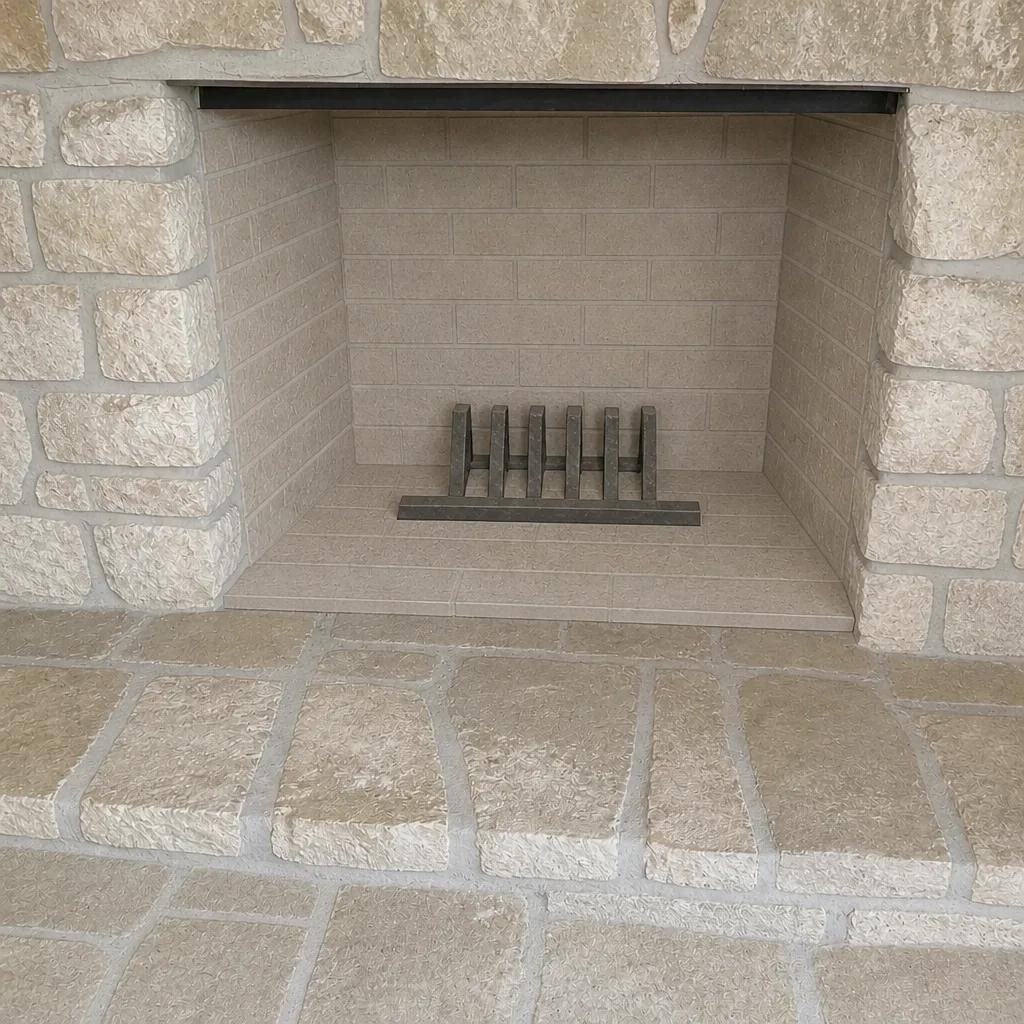
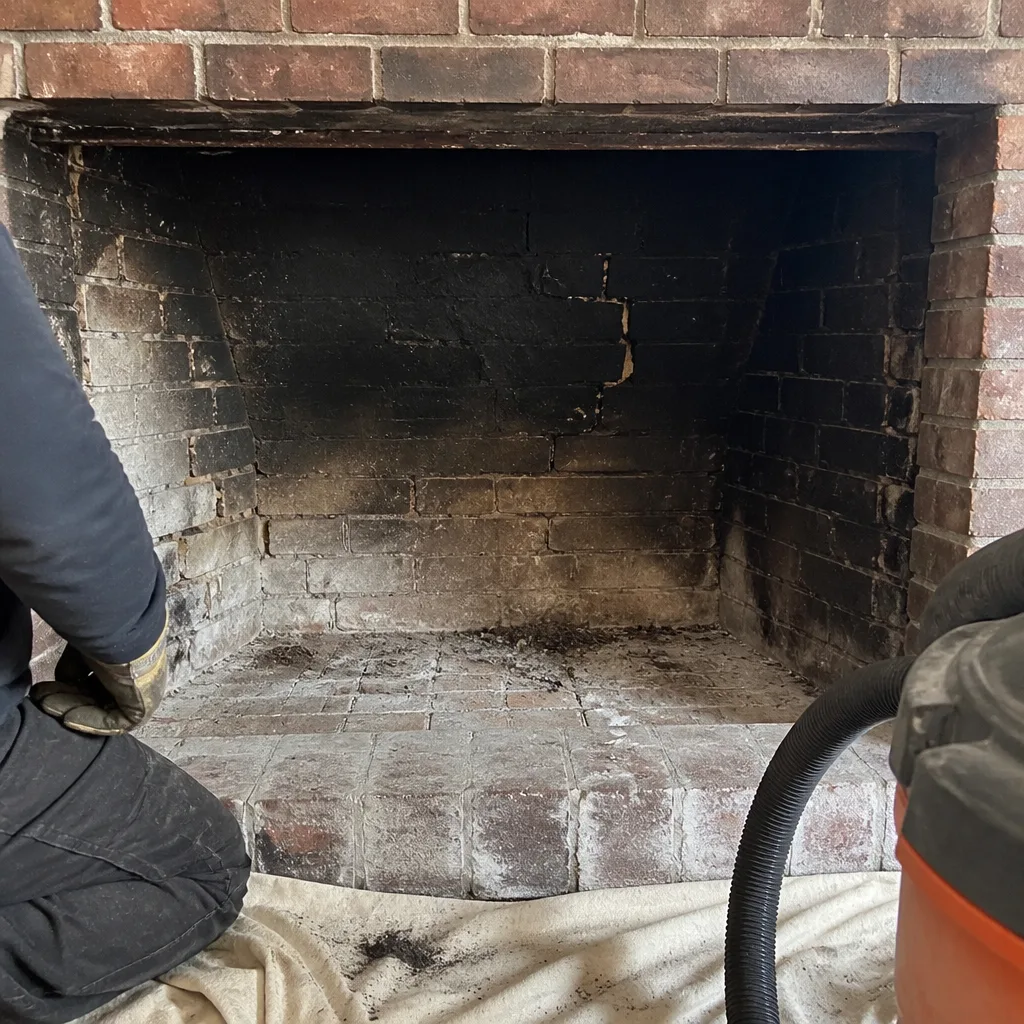
See the difference
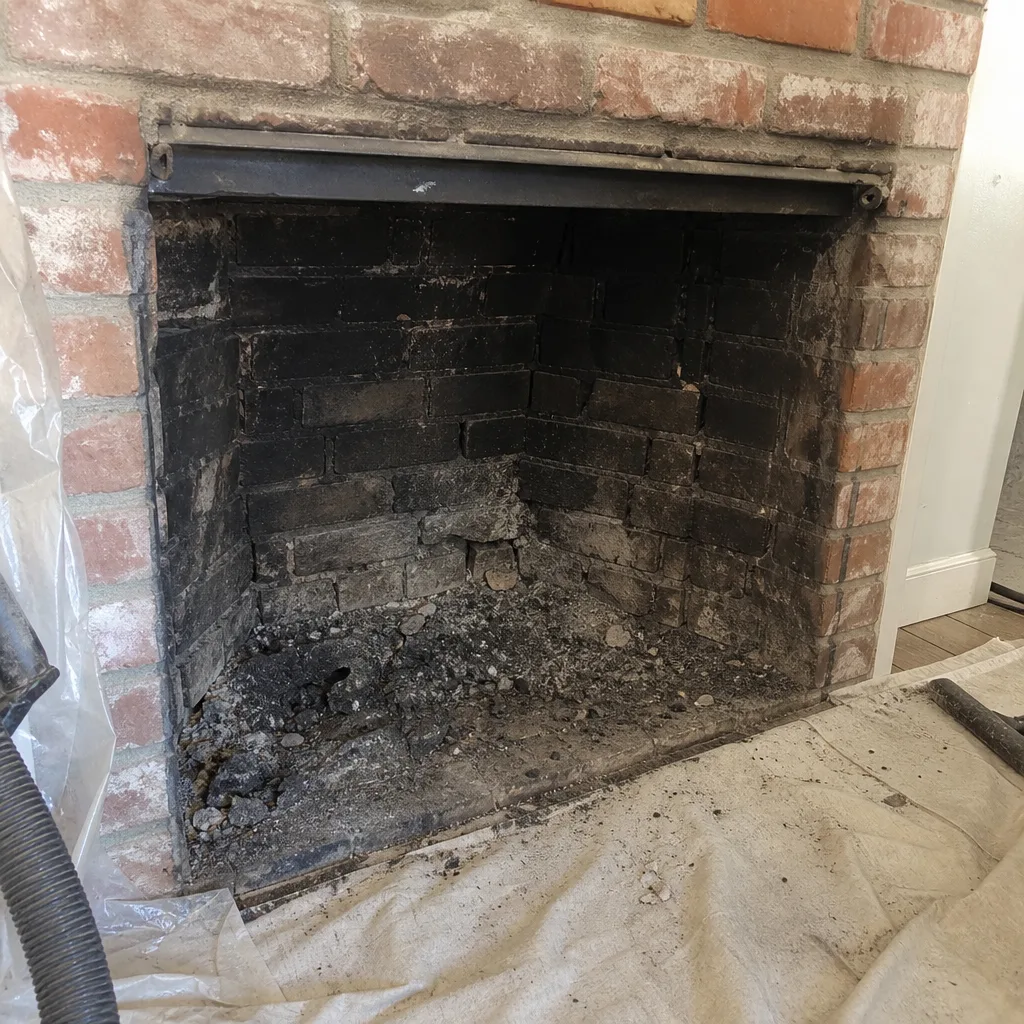 Before
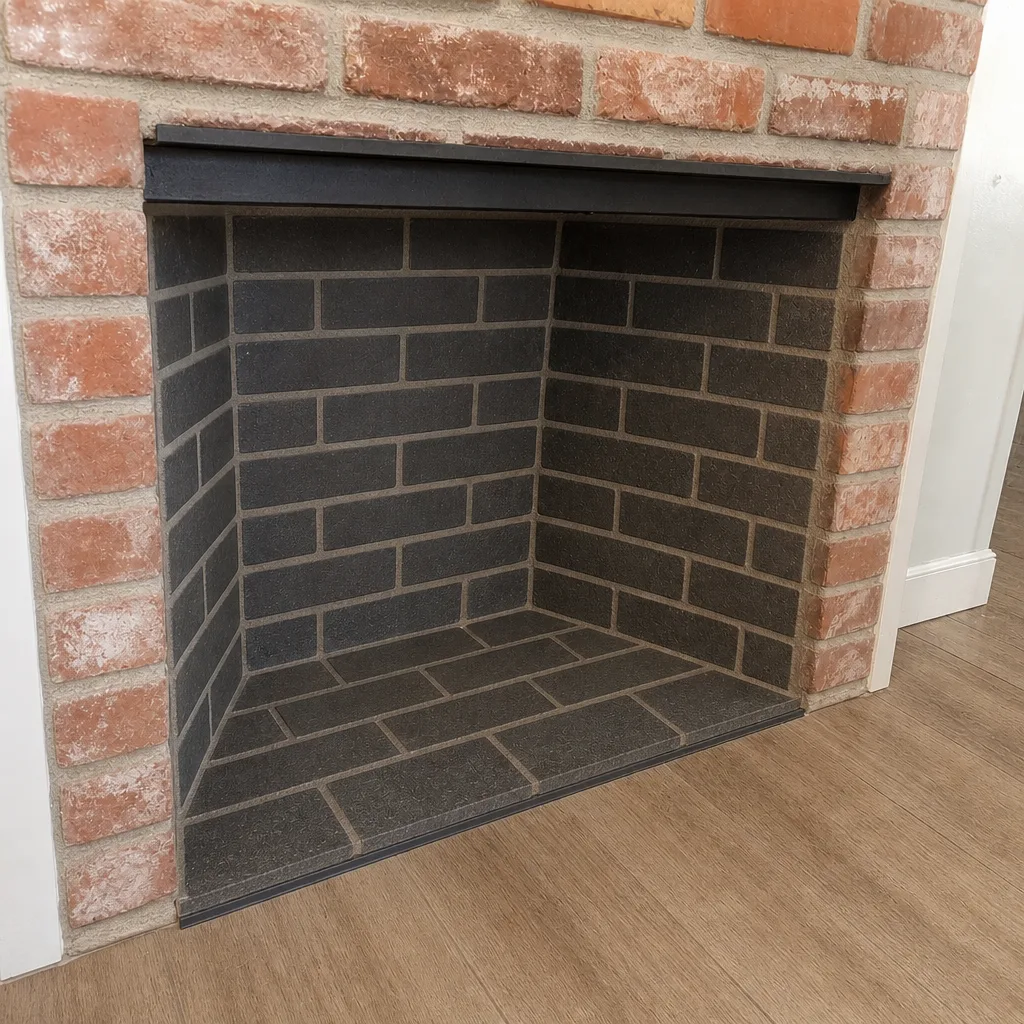 After
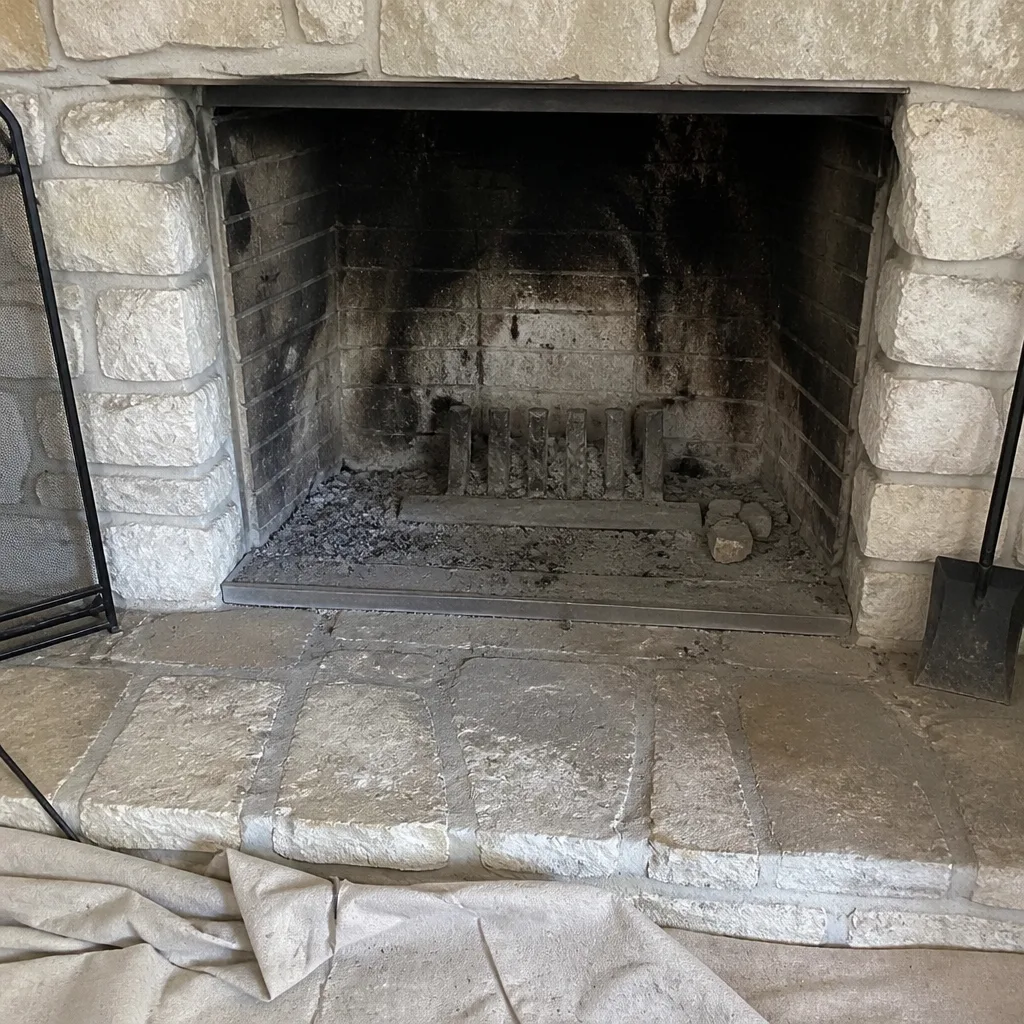 Before
 After
 Before
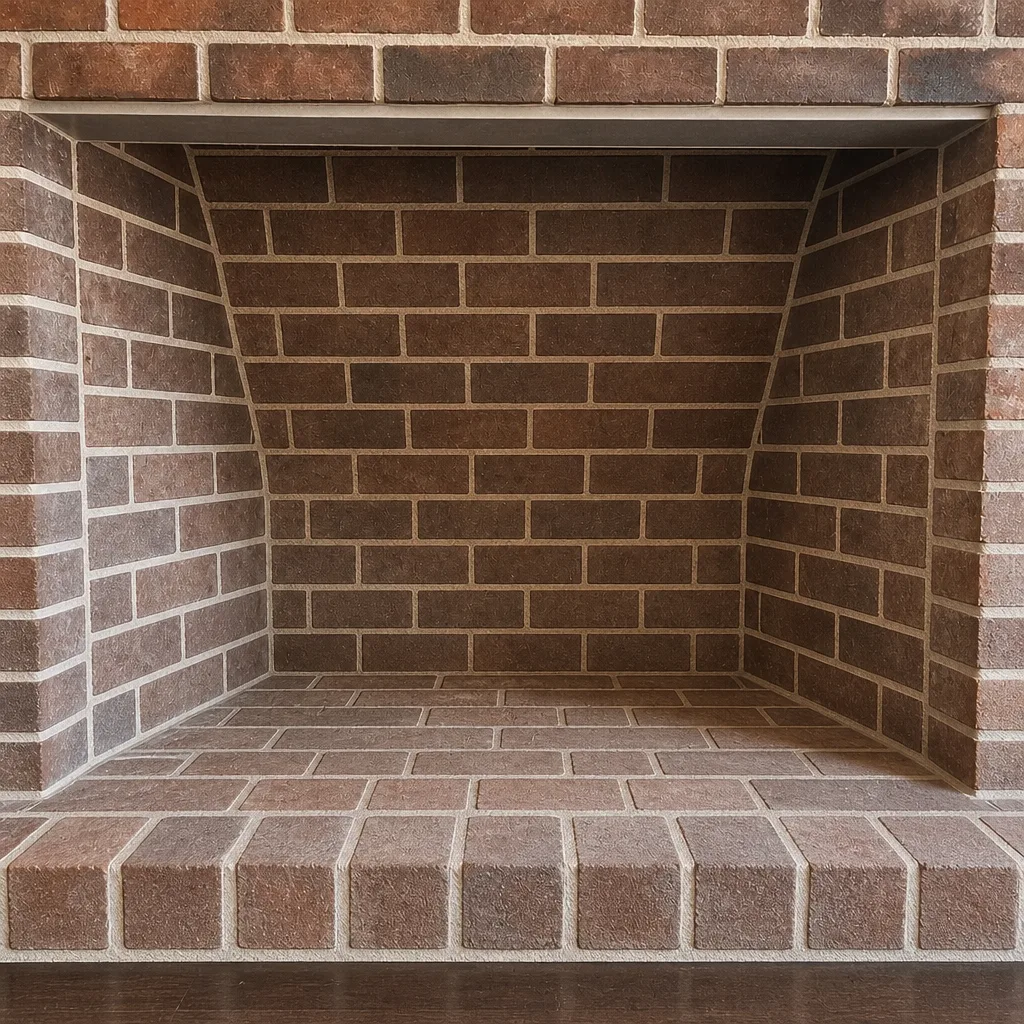 After
When to Call a Professional
Call a professional if any of these apply: you haven’t had the chimney inspected since you bought the home, you’ve had a chimney fire or any event that may have damaged the flue, you’re planning a home sale in Salinas and want documentation, you’re converting from wood to gas, you’ve noticed staining on the chimney exterior or rust in the firebox, or you suspect prior work was done without a permit. Some of these are cleaning conversations; some are repair conversations; all of them benefit from a proper inspection first. The camera tells you what the fireplace conceals. Salinas Chimney Sweep offers free estimates in Salinas – call (844) 834-5211. We answer 24/7. Fast dispatch from 7am to 7pm, Sunday through Friday.
Frequently Asked Questions
No. Routine chimney cleaning and inspection do not require a permit in Salinas. Sweeping is considered maintenance and falls outside the permit-triggering category. Call (844) 834-5211 for an exact quote on a cleaning – estimates are free.
Full liner replacement, firebox rebuilds, chimney height changes, chimney removal, and certain venting alterations typically require a permit from either the city of Salinas or Monterey County, depending on the property’s jurisdiction. Minor repairs like damper swaps or cosmetic masonry patching are often exempt, but it’s worth confirming with the building department before work begins.
NFPA 211 is a national standard, not a law itself, but California building officials and chimney inspectors reference it as the baseline for compliance when evaluating a chimney system. It’s the measuring stick used to judge whether a repair or an installation is acceptable. Call (844) 834-5211 if you want your chimney assessed against that standard.
A Level 2 inspection isn’t strictly required by every sale, but it’s the standard called for by NFPA 211 when a property changes hands, and buyers frequently request one. It documents the chimney’s condition, which reduces friction in escrow. Call us to schedule one – the estimate is free, and the report is yours to keep.
Get a current inspection to see what’s actually installed, then contact your local building department (city of Salinas or Monterey County, depending on your address) to ask about retroactive permits or compliance options. The path is usually straightforward, and the documentation you end up with protects you during a future sale. Call (844) 834-5211 to start with an inspection.
Creosote builds up with each fire, and heavy deposits are the leading cause of chimney fires. In a mild-climate town like Salinas, a few fires a year can still produce meaningful buildup in the upper flue that isn’t visible from the firebox. The safest approach is a periodic sweep with a camera inspection so you know what’s in there. Call (844) 834-5211 – we answer 24/7. Fast dispatch from 7am to 7pm, Sunday through Friday.
The Bottom Line
Chimney cleaning doesn’t need a permit in Salinas; structural repairs usually do. The line matters most during a home sale, where an unpermitted liner replacement or firebox rebuild can stall escrow or cost a seller hard-earned ground. Know your jurisdiction – city of Salinas versus unincorporated Monterey County. Treat NFPA 211 as the baseline the building department will measure against. Use a Level 2 inspection as documentation, but don’t mistake it for a permit sign-off. If past work was unpermitted, the correction path is usually more paperwork than crisis. When you’re ready to schedule an inspection or a Salinas sweep, start with a written estimate and a camera report you can see for yourself.
Whether you’re preparing a home for sale, moving into a new one, or just want to know what’s really inside the flue, we’d rather show you than tell you. Call (844) 834-5211 for a free estimate. We answer 24/7. Fast dispatch from 7am to 7pm, Sunday through Friday. Nothing is recommended without camera evidence you can see, and if a repair can safely wait, we’ll tell you that too. Our technicians have up to 14 years of experience, and we install professional-grade components from the brands chimney engineers specify – so the work stands up to the inspection that follows.
Written by the team at Salinas Chimney Sweep.