
Last updated November 16, 2026
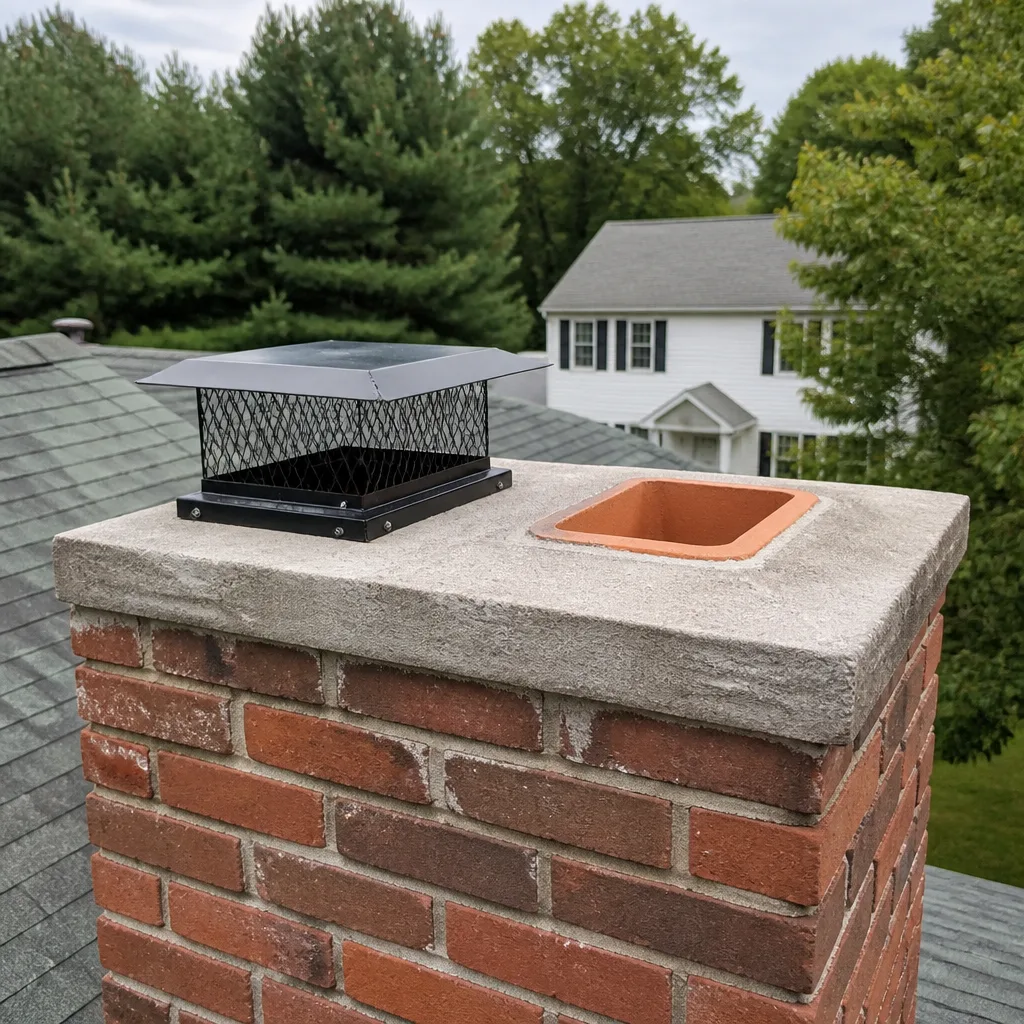 Sweep & inspection
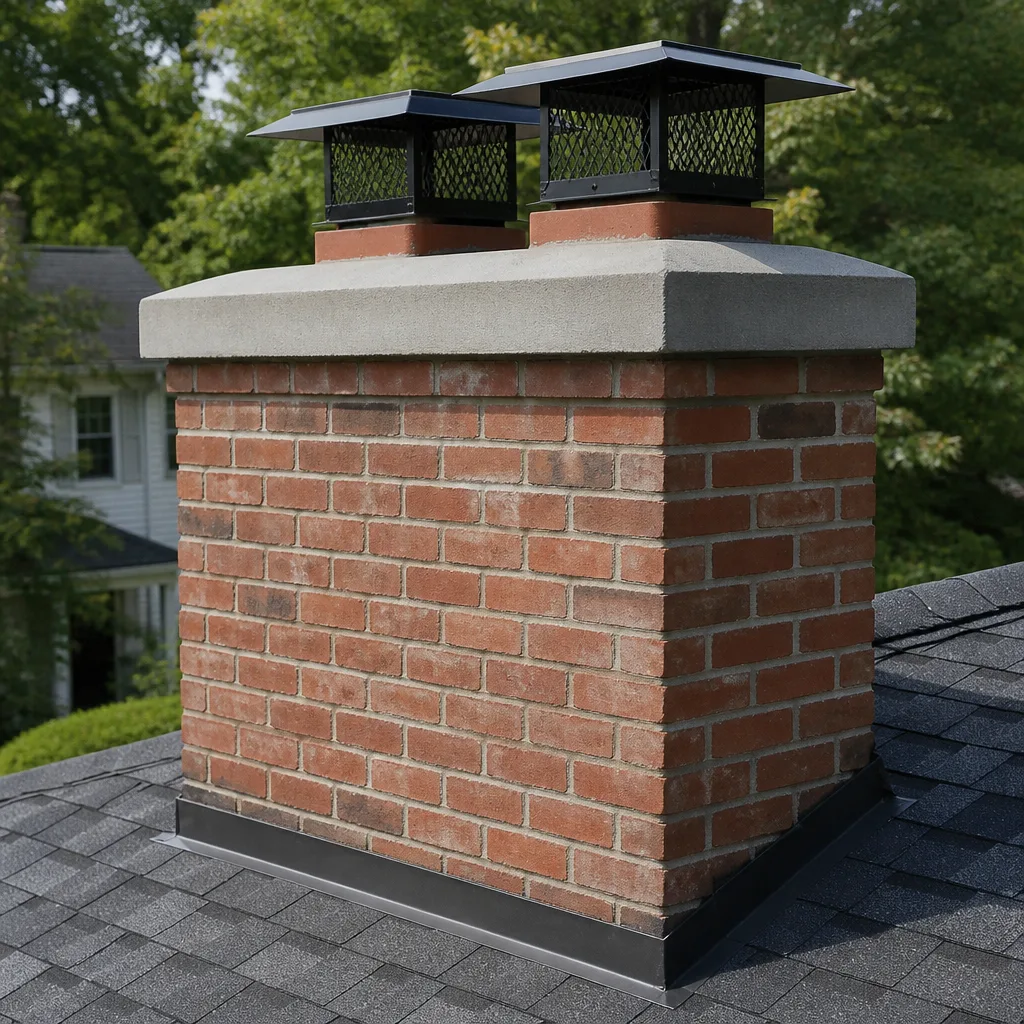 Caps & crowns
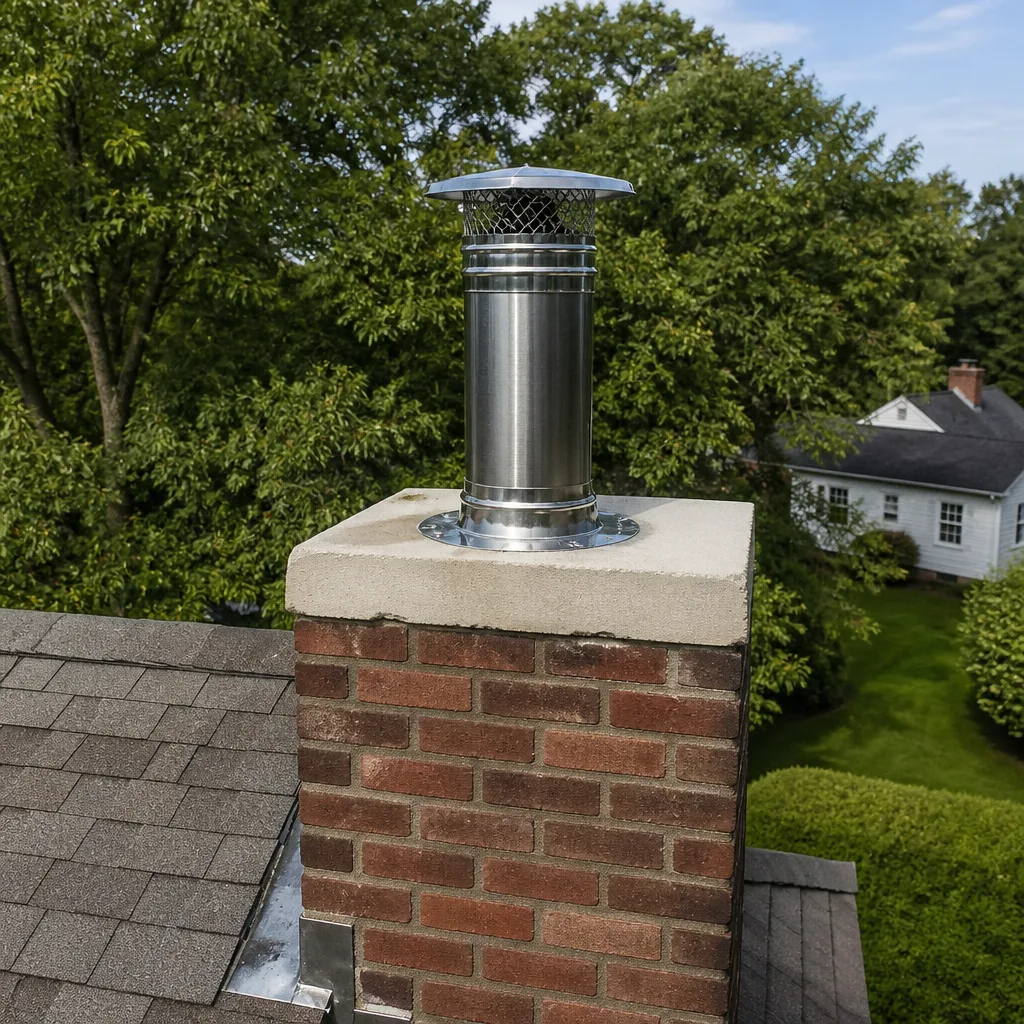 Flue relining
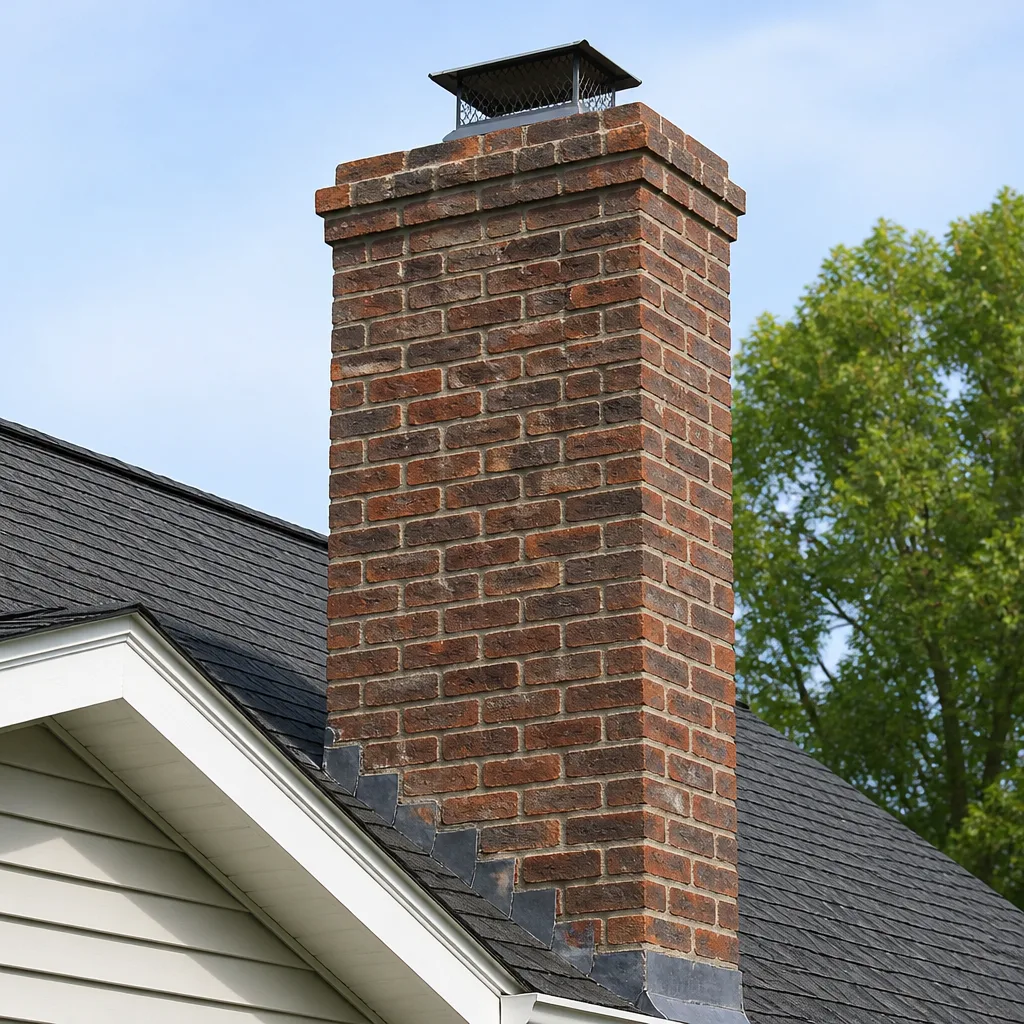 Masonry repair
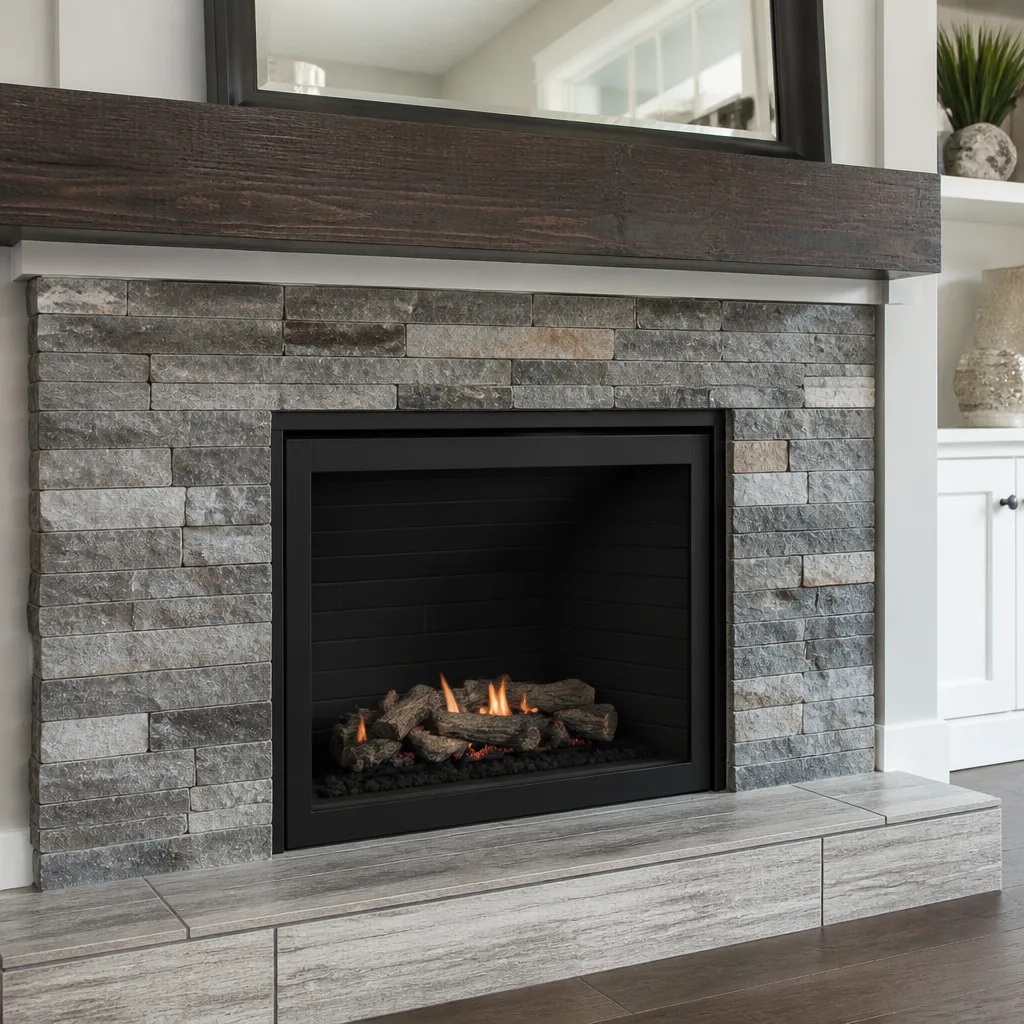 Gas fireplace service
Level 1 sweep and inspection to the NFPA 211 annual standard - flue, crown, cap, and flashing checked and photographed
Chimney sweep logs do not sweep chimneys. They loosen some creosote - which then falls where a brush and vacuum still have to collect it.
Chimney Cleaning Warning Signs: A Salinas Homeowner’s Reference Guide
Most homeowners imagine they’ll know when their chimney has a problem. They picture flames roaring up the flue, a plume of smoke in the living room, sirens. In our experience, that’s rarely how it happens. The warning signs that matter in Salinas are quiet ones – a faint smell in a room with the damper shut, a chalky white stain on the firebox brick, a damper that opens but never quite seals the way it used to. These signals show up months before anything dramatic, and they’re readable if you know what you’re looking at. This guide walks you through the signs a homeowner can actually see, smell, and hear, and tells you what each one means.
Quick Answer
The most important chimney cleaning warning signs for a Salinas homeowner are a persistent smoke smell with the damper closed, a whistling or roaring draft when the fireplace is lit, white efflorescence or rust staining inside the firebox, and visible crumbling mortar or loose terra cotta tile at the flue. Any one of these points to a blockage, a deteriorating liner, or a draft problem that a professional should assess before the next burn season. Note what you see, stop using the fireplace until it’s checked, and book an inspection.
Styles & brands we work with
- Sweep & inspection
- Caps & crowns
- Flue relining
- Masonry repair
- Gas fireplace service
Table of Contents
- What the smell in the room is telling you
- Visual signs inside the firebox: spalling, efflorescence, rust
- Why a damper that “works fine” can still signal a problem
- Warning signs specific to Salinas’s older housing stock
- Draft sounds and pressure clues homeowners miss
- What to do immediately: a triage sequence
- How often a chimney actually needs attention in Salinas
What the smell in the room is telling you
A strong smoke smell in a room with the damper closed is not a minor inconvenience. It’s the single most underreacted-to warning sign we encounter. Something is moving air the wrong direction, and the source could be a partial blockage, a damaged liner section, or a pressure problem in the house that gets worse every time the fireplace runs.
Not every smell is the same, though. Homeowners can usually tell the difference once they know what to notice:
- Light smoke smell after a fire. Normal for a few hours after the last log burns down, especially if the damper stays open until the fire is fully out. This fades.
- Sharp, acrid smell, days after you last burned. Usually creosote buildup. Creosote is a tar-like byproduct of incomplete combustion, and when the layer thickens it releases an odor even when the chimney’s cold. This is a sweep signal, not a fire signal, but it needs attention before it thickens further.
- Musky, animal, or ammonia smell. Often points to animal intrusion – birds, squirrels, or bats nesting in the flue – or to moisture sitting against masonry. Either way, the flue needs inspection before it’s used again.
- Musty, damp-earth smell concentrated near the chimney breast. Moisture damage. Water is finding its way into the masonry somewhere, usually at a failed crown, flashing, or cap.
If a smell you can’t place persists through two or three days with no fire lit, that’s the threshold. Call for an inspection. It costs less than a fireplace you can’t use.
Visual signs inside the firebox: spalling, efflorescence, rust
You can check the inside of your firebox with a flashlight in about two minutes. You don’t need to touch anything or climb anything. You’re just looking for four things, and once you know what each one means you’ll never see your firebox the same way.
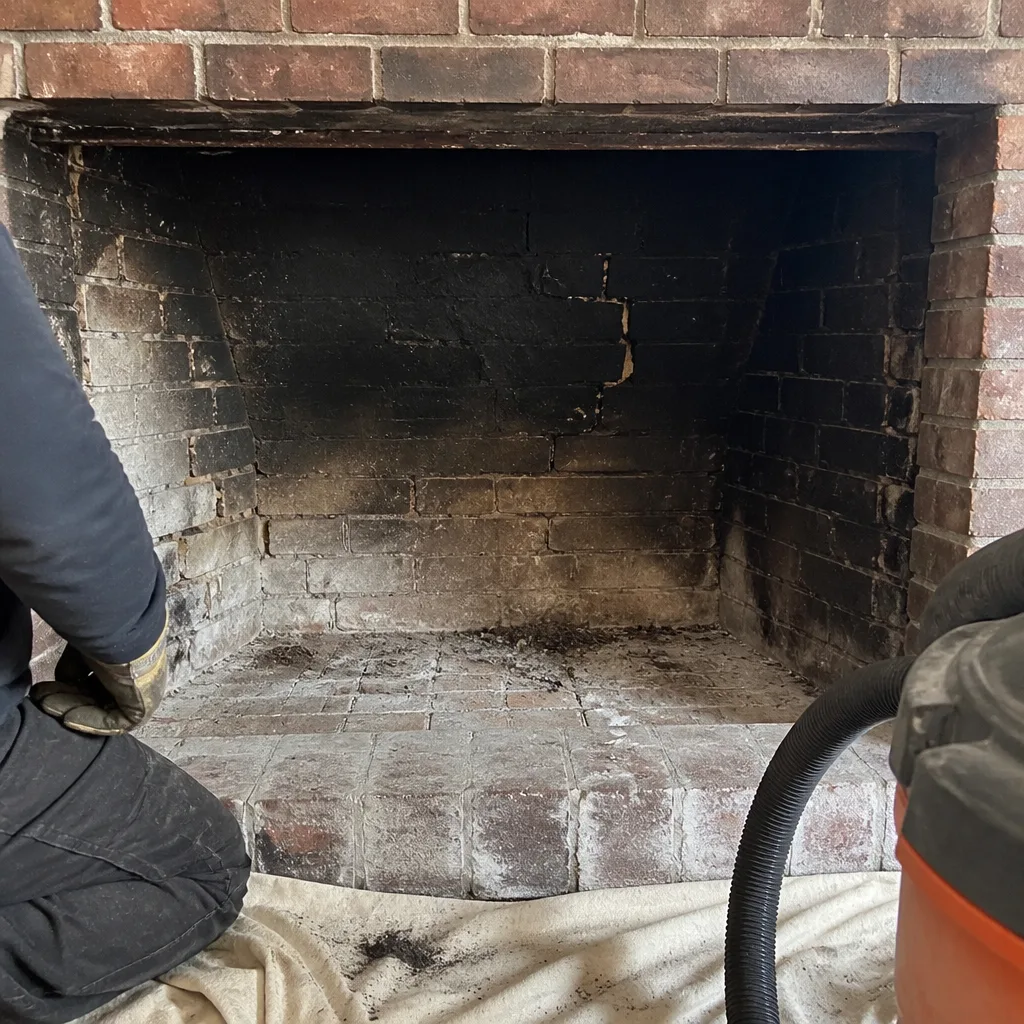
- Spalling. Brick or mortar flaking off in small sheets or chips. Spalling usually means moisture has been absorbed into the masonry and pushed the surface off as it expands. In a firebox, it often signals that a previous fire overheated the brick or that the liner behind it is compromised. Spalling brick is a repair item, not a cleaning item.
- Efflorescence. Chalky white or pale grey staining on the brick or mortar. It’s mineral deposits left behind when water evaporates out of the masonry. The stain itself is harmless, but what it tells you is not – water is entering somewhere it shouldn’t. Efflorescence on the firebox interior is uncommon and worth a professional look.
- Rust staining. Orange or brown streaks, usually near the damper, smoke shelf, or on a metal firebox liner. Rust on internal metal components points to moisture condensing against them, often from a bad cap, a failed rain seal, or exhaust gases cooling before they exit the flue.
- Dark, glossy, tar-like patches. This is glazed creosote, and it’s the hardest type to remove. It forms when fires burn cool or wet, and it thickens on the flue walls the same way paint builds up layer by layer. Glazed creosote needs a professional sweep with a rotary tool, not a brush.
If you see any of these, stop using the fireplace until the chimney has been inspected. None of them are emergencies on their own, but each one tells a trained technician what to look for upstream in the flue.
Why a damper that “works fine” can still signal a problem
A damper can swing open, close flush, and latch cleanly and still be part of a serious draft problem. What the damper does on its own is only half the story. What matters is how the whole chimney behaves when the damper is in motion. Here’s what to feel and listen for the next time you operate it:
- Feel for pull. Open the damper fully with the firebox cold and the room’s doors and windows shut. Hold your hand near the damper opening. You should feel a gentle, steady draw of air up the chimney. If you feel nothing, or feel air pushing down toward you, the flue is likely blocked or the house is under negative pressure.
- Listen for a change in tone. When you open the damper you should hear a subtle shift in the ambient sound of the room – air moving, a slight change in pressure. If the room gets louder instead of quieter, or a whistling sound starts, that’s a sign the pressure isn’t equalising the way it should.
- Check the seat. With the damper closed, look for a visible gap along the edge. A top-sealing damper that no longer seats cleanly lets warm room air escape up the flue year-round, which drives heating costs up and lets cold air pull down through the fireplace when you’re not burning.
- Operate it slowly and listen for grit or scraping. Any grinding or scraping as it opens or closes points to a worn mechanism or debris that has fallen onto the damper frame.
All four clues together tell you more than any one in isolation. If two or more feel off, the chimney should be looked at before you burn again. Damper problems are often the visible tip of a draft issue that starts at the flue cap.
Warning signs specific to Salinas’s older housing stock
Large stretches of Salinas – the neighborhoods around Oldtown and the streets closer to the downtown core – were built in eras when chimney construction practices were very different. Many of those chimneys have lasted well, and a good number are still working safely. But the signs of aging show up in a few predictable places, and homeowners should know what to look for.
- An unlined flue. Some older masonry chimneys were built with a single-wythe brick flue and no clay tile liner or other liner at all. If you can see rough brickwork inside the flue when you shine a light up from the firebox, that’s the sign. An unlined flue is not automatically unsafe, but it needs an inspection, and it’s a leading candidate for a liner.
- Deteriorating terra cotta tile. The clay tiles lining a masonry flue develop hairline cracks over decades of heating and cooling. Cracks in individual tiles are usually visible from the top or with a camera inspection, and once a tile section is compromised hot gases can escape behind it into the surrounding masonry.
- Original mortar failure at the joints. When the mortar between tiles or between bricks erodes, the flue loses its seal. Interior mortar joints that crumble feel gritty if you brush against them with a gloved hand, and they show up clearly during a camera inspection.
- Chimney exteriors with mortar missing between courses. From the ground you can often spot this by looking up the exterior corner of the chimney. Missing mortar lines and stepped, uneven brickwork are signs the chimney should be looked at before another season.
If any of these describes your chimney, the next step isn’t automatically a major repair. It’s an inspection. When we find a flue that’s cracked or mortar-eroded but otherwise structurally sound, our preferred option is often chimney repair with HeatShield ceramic resurfacing – a method that restores the inner surface of a flue without tearing out tile. When the damage is worse, or the flue was never lined, a DuraFlex flexible liner is the right call, and we handle both with the same professional-grade materials, including Olympia Chimney components where they’re specified.
Draft sounds and pressure clues homeowners miss
Sound is the signal most homeowners tune out. Your chimney has a voice, and it changes when something’s wrong.
A well-running chimney is quiet. There’s a low, steady draw when the fire is going, and a soft settling when the damper closes. A chimney in trouble makes other sounds:
- A whistle. Often the flue cap or a partially blocked screen vibrating as air squeezes past. A whistle under a certain wind direction points to a draft issue that isn’t going away.
- A low roar that isn’t the fire. If the sound continues when the fire is small, air is pulling through a gap in the flue and burning harder than it should. That’s a chimney running too hot, and it accelerates creosote formation.
- A rumbling flutter when you first light the fire. This is the sound of a cold flue struggling to establish draft. Common when the chimney is very cold, but if it happens every time regardless of weather, the flue may be undersized or partially blocked.
- Ticking or tapping from the flue when the fireplace is cold. Almost always an animal or debris in the flue. Not a fire risk in itself, but the blockage is.
You can also check the pressure clue without any equipment. In a house where the chimney draws well, the smoke from a just-lit match will rise steadily into the flue. If it drifts out into the room or stalls at the damper, the house is under negative pressure – often the result of a large extraction fan, a tight building envelope, or a partially blocked flue. That’s information a technician can use.
What to do immediately: a triage sequence
When you see or smell something wrong, the first move is not to call – it’s to make the chimney safe. Run through these steps in order. They take about two minutes and they’ll tell you both what to do next and what to tell a professional when you do call.
- Stop using the fireplace. No more fires until you’ve completed the check. This is the single most important step.
- Put out any fire that’s burning. Smother it. Do not close the damper while a fire is going or smoldering.
- Open the damper fully if there’s any smoke in the room, and open a nearby window or door to give it somewhere to go.
- Check the firebox with a flashlight for the four visual signs above: spalling, efflorescence, rust staining, and glossy creosote. Note which you see.
- Go outside and look up the chimney from the ground. You’re checking for visible smoke rising from the cap, visible cracking or missing mortar, and whether the cap is intact. If you see smoke rising when there’s no fire burning, that’s a call-us-now situation.
- Write down what you’ve noticed: the smell, the visual signs, when it started. Describing the specific smell or the exact location of the staining saves time on the inspection and helps the technician look in the right place.
- Call Salinas Chimney Sweep at (844) 834-5211 and describe what you found. We answer 24/7. Fast dispatch from 7am to 7pm, Sunday through Friday.
One caution: never put your head up into the firebox to peer into the flue with a lighter or candle. The draft can pull a flame up toward your face, and if there’s creosote on the flue walls, you don’t want an open flame anywhere near it. Use a flashlight from a distance.
How often a chimney actually needs attention in Salinas
Chimney sweeping schedules are not one-size-fits-all. The general rule professionals follow is that a chimney needs sweeping when there’s roughly an eighth of an inch of creosote buildup inside the flue, and that threshold arrives at different times for different households. For a Salinas homeowner using a fireplace a few dozen times over a winter, that’s often every year or two. For a home that heats primarily with wood, it can be more often.
A few things shorten the interval:
- Burning unseasoned or very wet wood, which produces more smoke and more creosote.
- Burning fires that are small and slow rather than hot and clean.
- Burning often in a firebox that never fully warms up (a fireplace with a partially blocked flue will run cool and dirty).
- Running a wood stove with the air intake closed down, which is common and produces cooler exhaust gases.
- Aging flues with rough interior surfaces, where creosote clings faster than it would on smooth tile.
Salinas weather helps here – the mild climate means many homeowners don’t burn every day through the season, which generally spreads the creosote buildup out over more years. But mild winters also mean chimneys sit unused for long stretches, and that’s when animals move in and moisture settles. An annual inspection catches both, whether or not a full sweep is needed. A camera inspection and photo report let you see the flue from inside, so you know exactly what condition it’s in. Call (844) 834-5211 to book one – estimates are free.
Common Mistakes to Avoid
- Assuming a damper that closes means the chimney is fine. The damper is one moving part. The signs that matter are inside the flue and on the firebox walls, and they’re visible without any tools beyond a flashlight.
- Treating a persistent smell as a “chimney smell.” Persistent smells are clues. A musty smell means moisture, an animal smell means intrusion, a sharp creosote smell means buildup. Each points to a different problem.
- Sweeping with a hardware-store brush and calling it done. A brush will move loose ash and soot. It won’t remove glazed creosote, and it won’t tell you whether your terra cotta tile has cracked. A professional sweep with a rotary tool and a camera inspection does both, which is what we do when we’re called out to a Salinas home.
- Burning a hot fire to “clean out” a creosote buildup. This is one of the more dangerous pieces of advice still circulating. A hot fire in a creosote-heavy flue can ignite the deposit rather than clean it, and a chimney fire can damage the flue beyond repair even when the house doesn’t catch.
- Painting over exterior stains without finding the source. Efflorescence and rust on the chimney exterior are symptoms. The cause is almost always at the cap, the crown, or the flashing. Paint hides the evidence and lets the underlying issue keep working.
- Ignoring a small change in how the fireplace behaves. A fireplace that used to draw well and now doesn’t is telling you something has changed. Book an inspection.
- Assuming a newer home doesn’t need inspection. Newer Salinas homes with factory-built fireplaces and prefabricated flues need periodic inspection just like older masonry chimneys, and the components inside them have their own wear patterns.
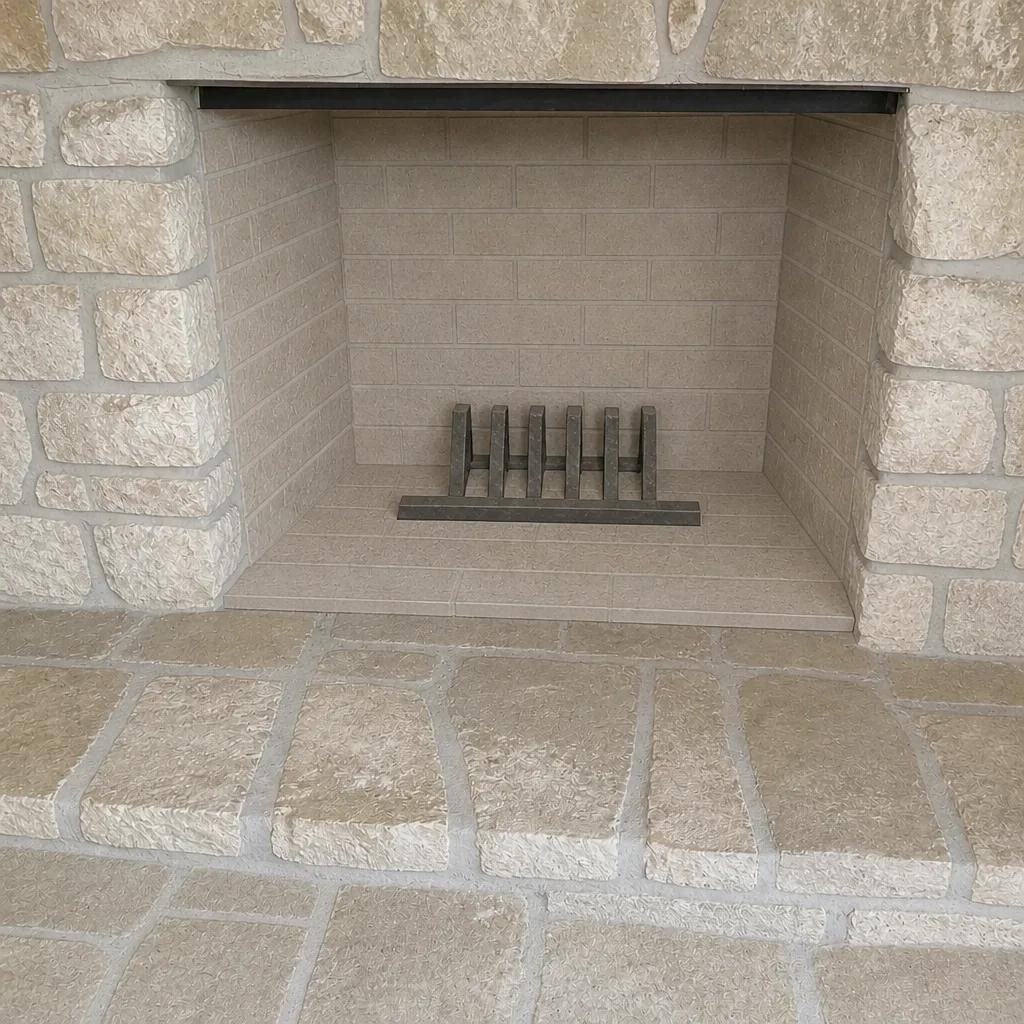
See the difference
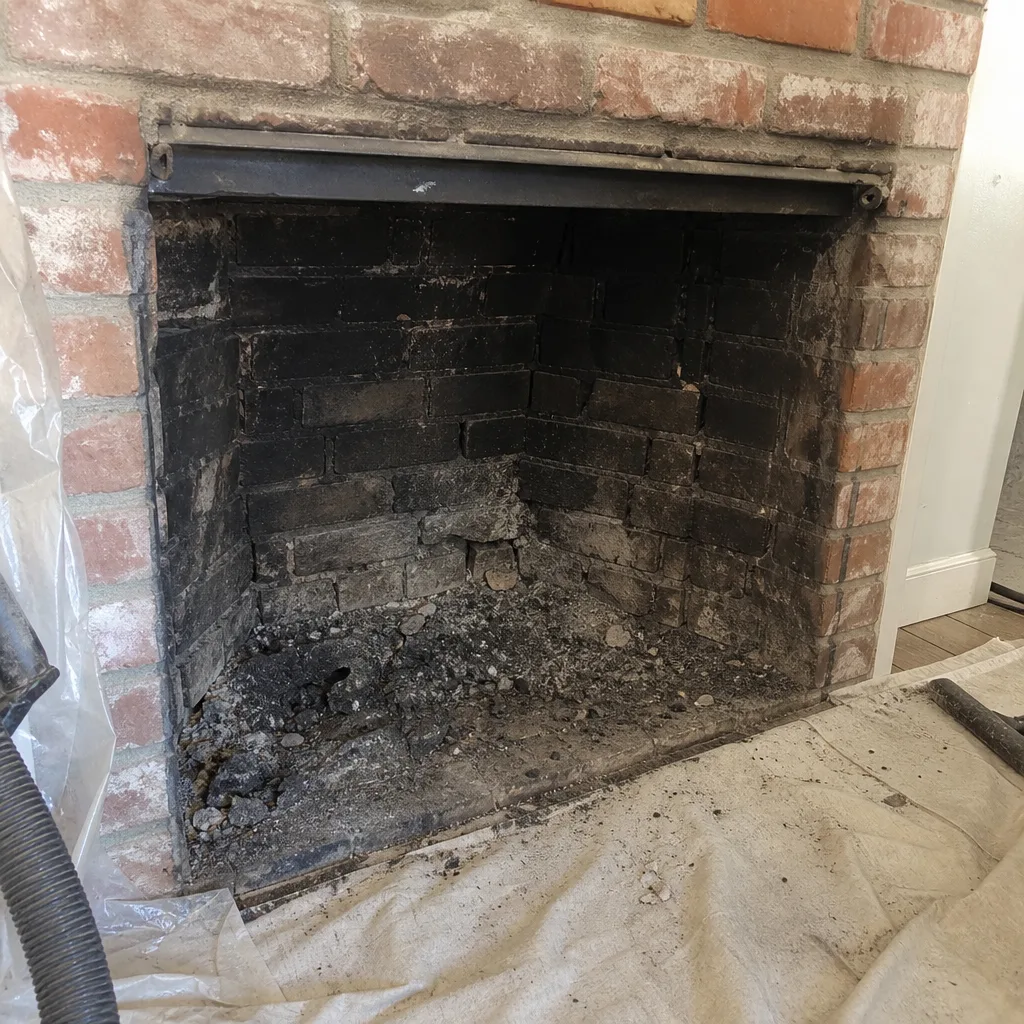 Before
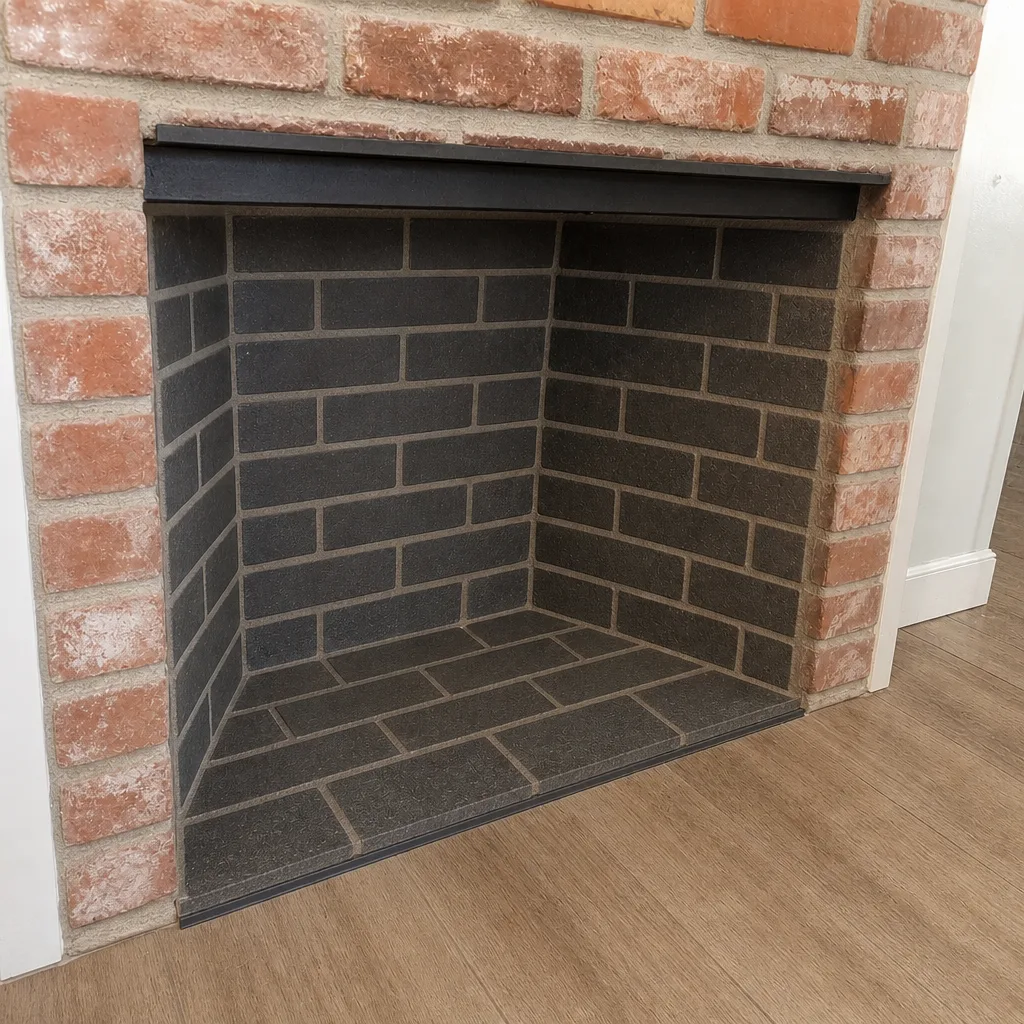 After
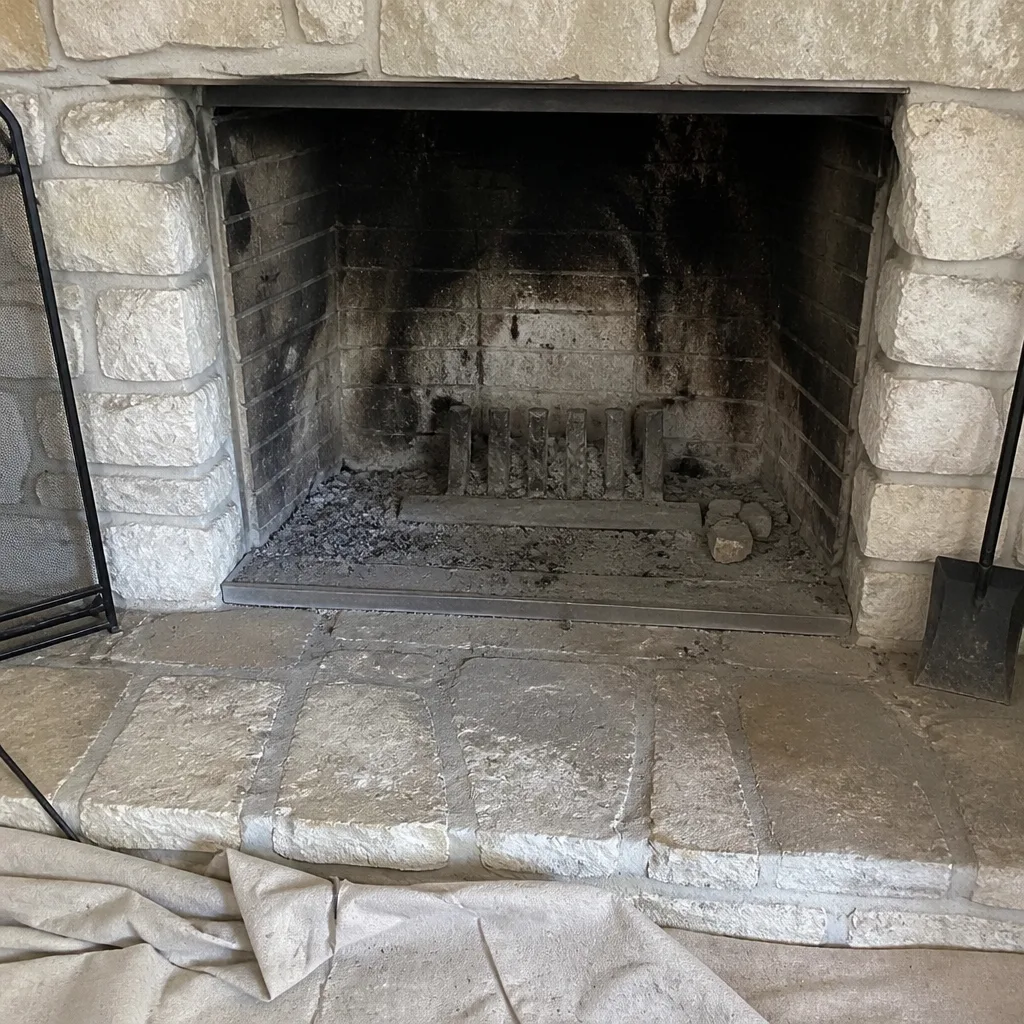 Before
 After
 Before
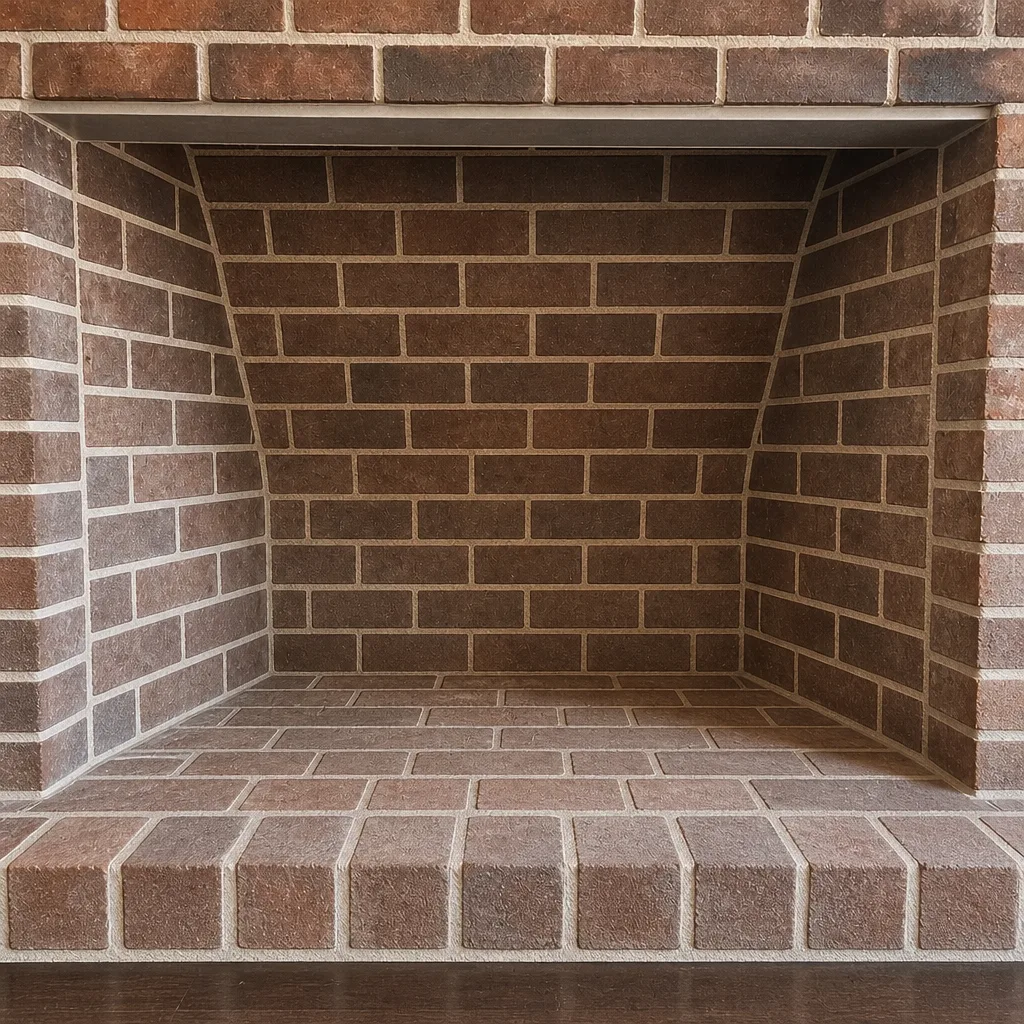 After
When to Call a Professional
Call a professional if any of the following describes your situation: you smell persistent smoke, creosote, or something animal-like with the damper closed; you see spalling, efflorescence, rust staining, or glossy creosote inside the firebox; your fireplace draws worse than it used to; you see missing mortar or loose tile on the chimney exterior; you’ve never had the chimney inspected; or you can’t remember when it was last swept. The same call covers inspection and cleaning, and if a repair is needed – a liner restoration with HeatShield or a new flexible liner using DuraFlex – the same company handles it end to end. Nothing gets subcontracted out. Salinas Chimney Sweep offers free estimates in Salinas – call (844) 834-5211. We answer 24/7. Fast dispatch from 7am to 7pm, Sunday through Friday.
Frequently Asked Questions
A standard chimney sweep in Salinas typically runs from around $150 to $300 for a straightforward cleaning, and an inspection (with camera and photo report) is usually in a similar range or bundled with the sweep. If a specific repair is needed – a liner restoration or a reline – that’s quoted separately once we’ve seen the flue on camera. Every estimate is free and the written estimate sets the final price. Call (844) 834-5211 for an exact quote.
Not always. A cracked or mortar-eroded flue that’s otherwise structurally sound can often be restored with HeatShield ceramic resurfacing rather than fully relined. A flue that was never lined, or that has badly damaged tile sections, usually needs a flexible liner. The only way to know which is right for your chimney is a camera inspection you can see the results of. Call (844) 834-5211 to book one.
For a homeowner who uses a fireplace occasionally through the winter, an inspection roughly once a year and a sweep whenever buildup reaches about an eighth of an inch is the standard. A home that heats primarily with wood may need more frequent sweeping. The right answer for your chimney comes from an inspection, not a calendar. Call (844) 834-5211 to schedule one.
Creosote accumulates, and when the layer gets thick enough it can ignite. Even without ignition, a blocked or damaged flue lets exhaust gases back into the room instead of up the chimney, which raises carbon monoxide risk – especially in a tightly sealed home. Skipping inspection doesn’t cause a problem immediately, but it removes the early warning signs this guide is about. Call (844) 834-5211 to get an inspection on the calendar.
Most of the time, yes. The firebox and damper clues are visible from the floor of the room. The camera inspection gives us a full view of the flue interior without needing to access the roof. Roof access is sometimes needed for exterior component checks, but it isn’t the first step, and it’s not what most of the diagnosis depends on. Call (844) 834-5211 for a free estimate.
For straightforward repairs – replacing a cap, correcting flashing, resurfacing a flue – we do the sweep, inspection, and repair work under one company, so no second contractor is needed. Larger jobs like a full reline are scheduled after the inspection and estimate so you have the written scope in hand. Call (844) 834-5211 to talk through what your chimney needs.
The Bottom Line
The warning signs that matter aren’t the ones you’d notice in a dramatic moment. They’re the smell with the damper closed, the chalky staining on the firebox brick, the sound of a flue that no longer draws cleanly, the crack in a terra cotta tile a decade in the making. In Salinas, a lot of homes have exactly these signs waiting to be noticed, and the check takes two minutes with a flashlight. If you find one, stop burning and get an inspection. We handle chimney sweep work, inspection, and repair as one company, using the same professional-grade components – HeatShield, DuraFlex, Gelco, Olympia Chimney – that chimney engineers specify. Call Salinas Chimney Sweep at (844) 834-5211 for a free estimate. We answer 24/7. Fast dispatch from 7am to 7pm, Sunday through Friday. Our technicians have up to 14 years of experience.
Written by the team at Salinas Chimney Sweep.