
Last updated November 16, 2026
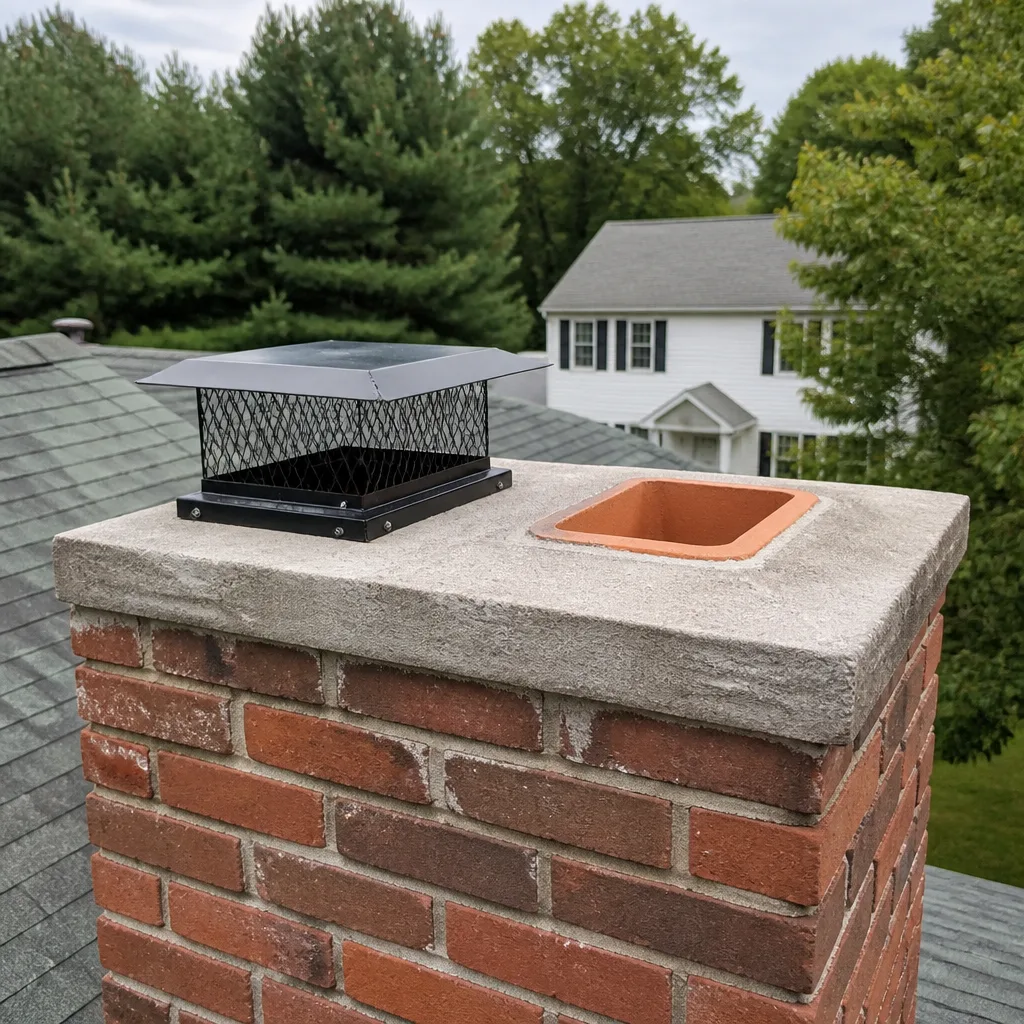 Sweep & inspection
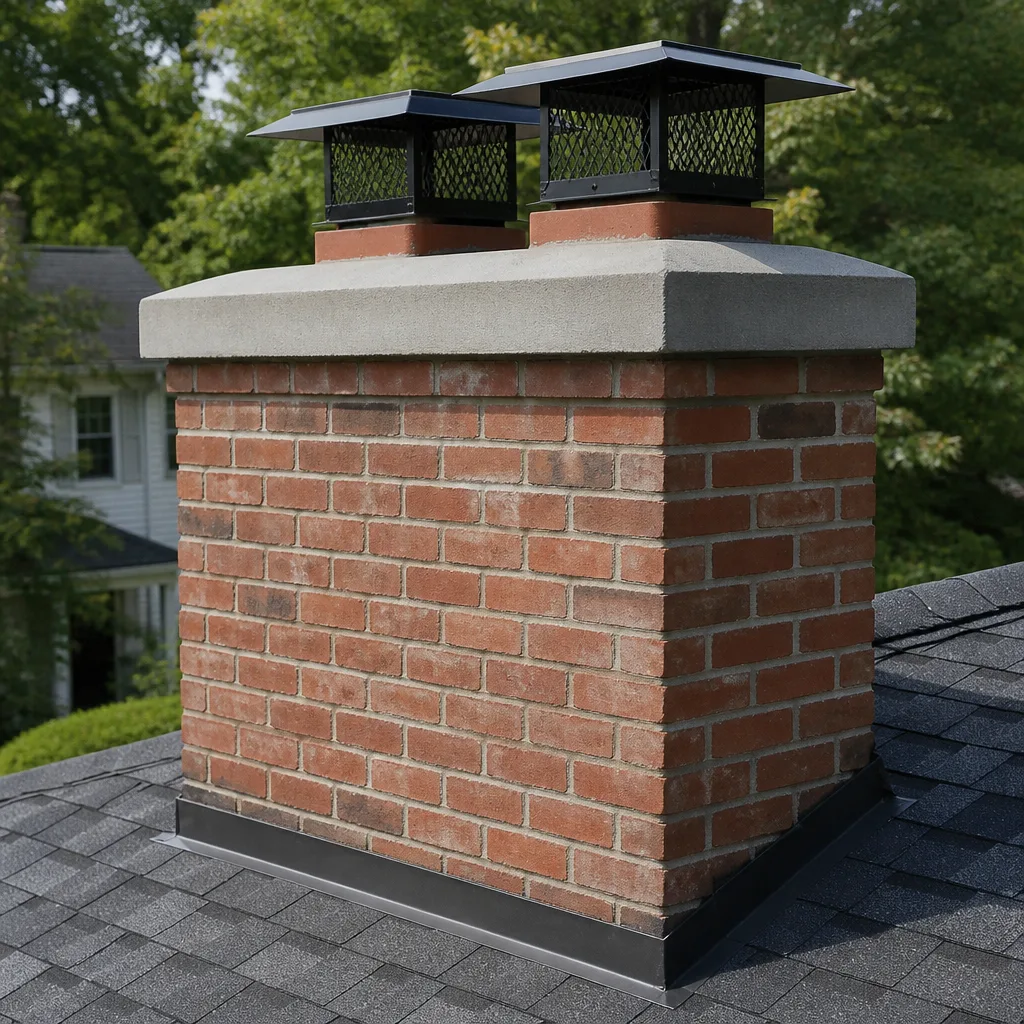 Caps & crowns
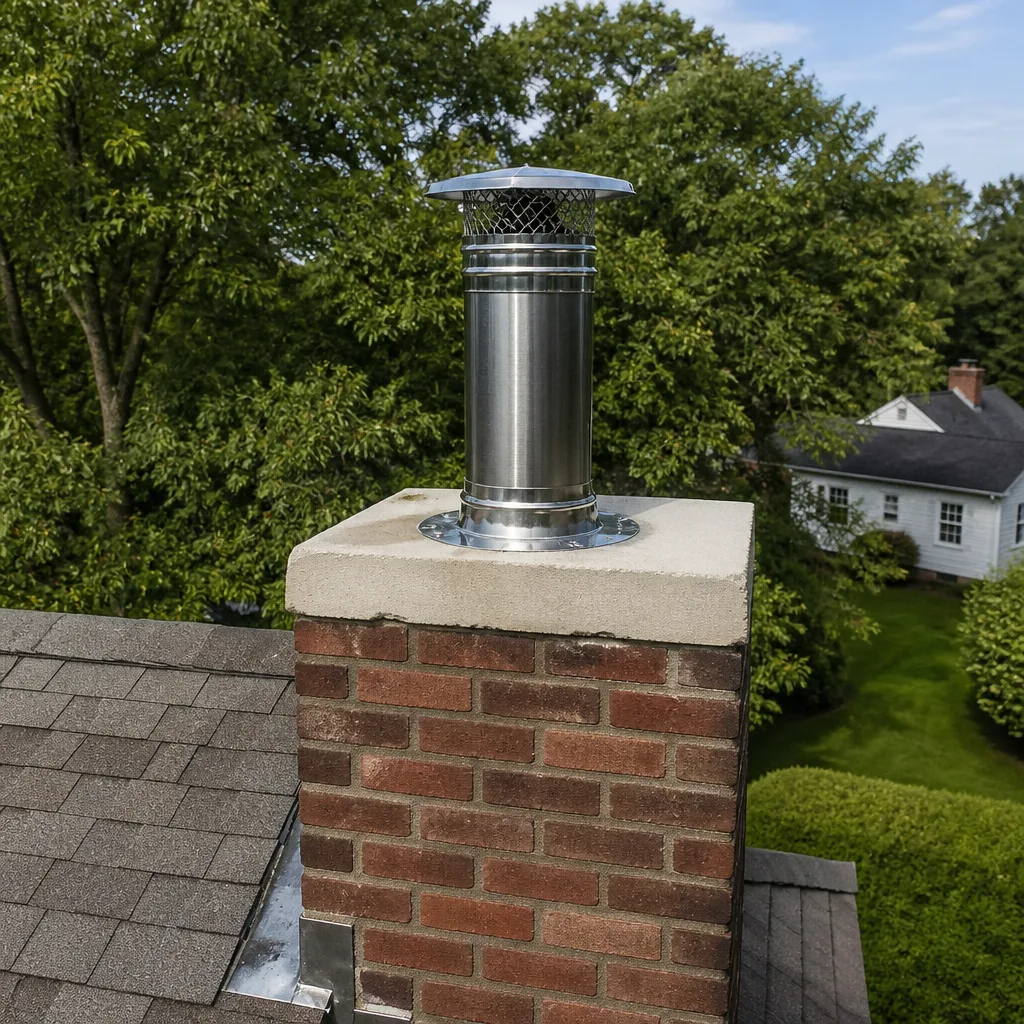 Flue relining
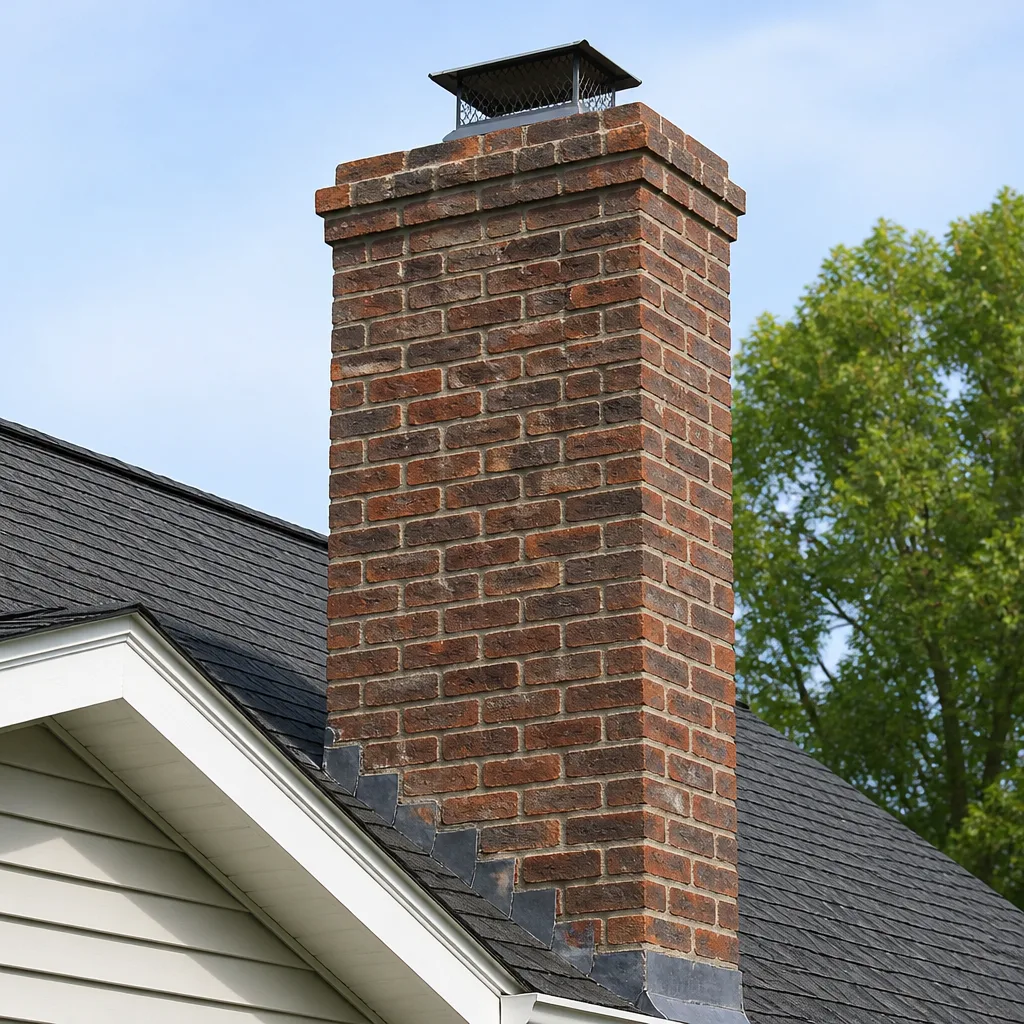 Masonry repair
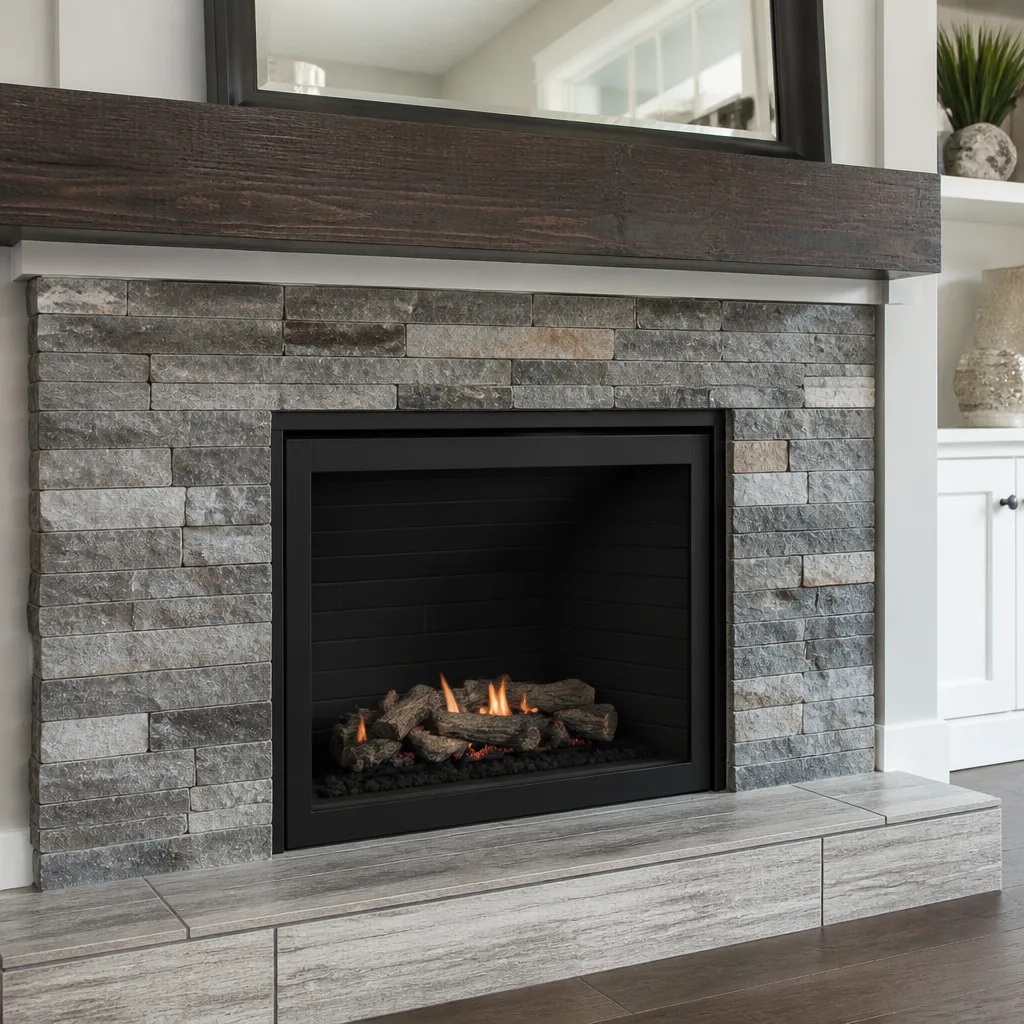 Gas fireplace service
Level 1 sweep and inspection to the NFPA 211 annual standard - flue, crown, cap, and flashing checked and photographed
Chimney sweep logs do not sweep chimneys. They loosen some creosote - which then falls where a brush and vacuum still have to collect it.
Chimney Sweep Troubleshooting in Salinas: Common Problems and How to Fix Them
If your fireplace smokes back into the room on the first fire of the season, the fix probably isn’t a cleaning. It’s a cold flue that needs to be primed before the damper opens wide. That one misdiagnosis sends a lot of people shopping for a sweep they don’t need yet, and it’s exactly the kind of guesswork this guide is built to end. In our experience around Salinas, most chimney trouble traces back to three root causes: moisture, infrequent use, and a cap that was never sized right. Learn to read the symptom and you’ll know which cause you’re dealing with before anyone shows up.
Quick Answer
Most chimney problems in Salinas come from moisture working on the masonry, long stretches between fires, and draft issues tied to flue height and house shape, not from random bad luck. Smoke rollout usually means a cold or undersized flue; water stains and summer odor usually mean a failing cap, crown, or flashing; slow draw on windy lots points to draft physics. Match the symptom to the cause and you’ll know whether to fix it yourself or book a professional.
Styles & brands we work with
- Sweep & inspection
- Caps & crowns
- Flue relining
- Masonry repair
- Gas fireplace service
Table of Contents
- Why Do Chimneys Act Up in Salinas? The Three Root Causes
- Smoke Rolling Back Into the Room: What It Means
- Slow Draw and Weak Draft: Flue Physics and House Shape
- Water Stains, Crumbling Mortar, and Summer Odor
- What You Can Safely Check Yourself vs. What Needs a Pro
- Cracked Flues, Liners, and When Resurfacing Beats Relining
- The Symptom-to-Urgency Matrix: What Waits and What Doesn’t
- Annual Visits, Cleaning, and What “Normal” Looks Like
Why Do Chimneys Act Up in Salinas? The Three Root Causes
Chimneys here fail in patterns, not at random. Three forces do almost all the damage, and each one leaves a signature. Once you know what to look for, you can usually tell which one is at work from the ground.
1. Moisture from the marine layer and fog cycle. The cool, damp nights that roll through the Salinas Valley soak into brick, mortar, and the crown on top of the chimney, then dry out in the afternoon sun. That wet-dry cycling is relentless on mortar joints. It’s the single biggest reason we see eroded joints and hairline cracks on chimneys around Salinas, even on houses that look fine from the street. Moisture that gets behind the masonry and can’t escape is also what produces that sour, smoky smell in summer.
2. Infrequent use. A chimney that burns a few times a year sits cold and damp for months. No heat means no upward draft drying things out, so creosote, dust, and moisture just sit. Chimneys that see steady winter use actually stay drier and cleaner between sweeps than ones that fire up twice a season.
3. Wrong-size or missing caps. A cap that’s too small chokes the draft. One that’s missing entirely lets rain, birds, and nesting debris straight into the flue. We’ve pulled everything from twigs to whole nests out of flues where the cap had rusted off. It’s a small part with an outsized job.
Read the symptom, name the cause, and you’ve already solved half the troubleshooting. The rest of this guide walks through each symptom family in turn.
Smoke Rolling Back Into the Room: What It Means
Smoke rolling back into the room almost always means the flue isn’t pulling air upward the way it should. That can be a cold flue, a flue that’s too short for the house, an oversized firebox, or a blockage. The good news is that you can sort most of these out with a few observations before anyone climbs a ladder.
Start with the cold-flue test. Here’s the sequence:
- Prime the flue first. Before you load the firebox, hold a lit, rolled-up newspaper near the open damper for a minute or two. This warms the column of cold air in the flue so it starts rising.
- Open the damper fully. A damper that’s only half open smothers the draft. Confirm the handle actually moves the plate the whole way.
- Light a small, hot fire. Big, smoldering loads on a cold flue smoke every time. Small kindling that burns hot establishes the draft before you add larger wood.
- Watch the first 10 minutes. If the smoke pulls upward cleanly once the fire is going, you had a cold flue. If it keeps rolling out, keep reading.
If priming doesn’t fix it, the flue is either blocked or undersized. A bird-blocked cap is the most common cause, especially after a windy stretch. You can sometimes see the blockage by shining a light up the flue with the damper open. An oversized firebox feeding a small flue is a design mismatch; a single-story ranch house with a big open hearth and a short stack often suffers from this, and the fix is usually a liner sized to the appliance. Never assume a cleaning will solve smoke rollout. Cleaning removes deposits, but it doesn’t change flue size or warmth.
One serious caveat: if you smell gas, or the smoke comes with a headache, dizziness, or nausea, stop using the fireplace and get fresh air immediately. Carbon monoxide is invisible, and a blocked or damaged flue can push it back into the house. That’s a stop-and-call situation.
Slow Draw and Weak Draft: Flue Physics and House Shape
Weak draft is about physics, and house shape changes the physics. A two-story home on a windy lot behaves very differently from a single-story ranch house, and that difference explains a lot of “my neighbor’s chimney works and mine doesn’t” frustration in Salinas.
Two rules govern most of it. First, taller flues draw harder than short ones, because the taller column of warm air has more room to accelerate. Second, wind can help or hurt depending on where it hits the cap. A stack on the downwind side of a two-story house can get turbulence instead of steady pressure, which is why a chimney that works fine on a calm day smokes on a gusty afternoon. Lots along the Highway 68 corridor, where wind comes across open ground, tend to expose this more than sheltered neighborhoods.
Here’s how we think through a slow-draw complaint:
- Is the flue tall enough? A flue should clear the roof by a reasonable margin; a stack that ends too close to the roofline fights back-pressure from the wind.
- Is anything nearby competing? A taller second-story wall, a tree, or a neighboring roofline upwind of the cap can push air down the flue instead of across it.
- Is the damper or cap restricting flow? A small or rusted cap, or a damper that doesn’t open fully, is an easy culprit to rule out.
- Is the firebox oversized for the flue? When the opening is much larger than the flue, the draft can’t keep up and smoke spills.
Draft problems are correctable, and the fix is often a properly sized chimney repair rather than a cleaning. A flexible liner sized to the appliance can transform a slow-drawing flue. If your fireplace only misbehaves on windy days or after a cold night, suspect draft physics before you suspect a blockage.
Water Stains, Crumbling Mortar, and Summer Odor
Water staining, crumbling mortar, and that sour odor in summer all point to the same thing: moisture getting in where it shouldn’t. This is the most common family of chimney trouble in Salinas, and the most preventable.
What homeowners can see from the ground before calling anyone:
- Staining on the exterior brick or stucco below or around the chimney breast. Dark streaks and white crusty deposits suggest water has been soaking in and drying out repeatedly.
- Crumbling mortar joints. Run your eye up the stack. Joints that look recessed, sandy, or missing chunks are eroding. That wet-dry cycle from the fog is the usual driver.
- A cracked or flaking crown, the concrete cap on top of the chimney. If water pools there instead of running off, it finds its way down.
- Rust on the damper or firebox metal, or water actually pooling inside the firebox after rain. That usually means a failing cap or flashing.
- A smoky, sour smell in summer, especially on humid days. That’s moisture reactivating old creosote and dust in the flue.
The summer odor gets misdiagnosed a lot. It isn’t a reason to panic, but it is a reason to look. Fresh creosote plus moisture is a real chimney fire risk when you light the first fire of fall, so the fix usually combines a sweep with addressing the source of the water. A properly sized cap and a sound crown solve most of it. When the odor is strong enough to smell in the room below, it’s time to book an inspection rather than wait for fall.
What You Can Safely Check Yourself vs. What Needs a Pro
Some chimney problems are safely handled from the room side. Others involve heights, heavy components, or the flue interior, and those belong to a trained technician. Knowing the line keeps you from wasting a service call, and from getting hurt.
Safe for you to check:
- Priming a cold flue with a rolled newspaper before lighting (see the sequence above).
- Confirming the damper opens and closes fully.
- Checking that your cap is present and intact by looking up at the roof from the ground or with binoculars.
- Clearing light debris from a bird-blocked cap only if the cap is easily reachable without climbing onto the roof. If it needs a ladder or roof access, leave it.
- Cleaning ash from the firebox once the fire is fully out and cold.
Needs a professional:
- Anything on the roof: the crown, flashing, the cap itself, or the top of the flue.
- Inspecting or sweeping inside the flue. You need the right brushes and the ability to see the full flue, not just the first few feet.
- Any sign of a cracked or damaged liner, which runs the full height of the chimney.
- Smoke coming indoors despite priming, or any carbon monoxide symptom. Stop using the fireplace and call.
A good technician will tell you which category you’re in when you call. If you can stand on the ground and describe whether the cap is missing and whether the mortar looks sandy, you’ve already saved time. When in doubt, a chimney sweep visit with a camera inspection settles the question for good.
Cracked Flues, Liners, and When Resurfacing Beats Relining
A cracked clay tile liner is a common finding in older Salinas homes, and it’s the diagnosis that scares people most because relining sounds expensive. Here’s the honest version: a cracked liner needs attention, but not every crack means a full reline.
Clay flue tiles crack over time from moisture, thermal cycling, and house settling. When the tiles crack, the flue is no longer sealed, and hot gases, creosote, and moisture can reach the surrounding masonry or, in the wrong alignment with combustibles, become a real risk. The fix depends on how bad the damage is and what the flue is made of.
HeatShield ceramic resurfacing is the middle path. It restores the flue lining from the inside by resurfacing it, filling voids and cracks, and extending the life of the existing flue without tearing it out and building a new one. For the right kind of damage, it’s a genuine alternative to a full reline, and it’s a capability most sweep-only companies can’t offer.
A DuraFlex flexible liner system is the answer when the flue is badly damaged, offset, or aging to the point that resurfacing won’t hold. Flexible liners handle complex, offset, or aging flues that rigid systems can’t accommodate. That matters on older homes where the flue shifts as the house settles.
Whenever we recommend liner work, we document it with a camera inspection so you can see the actual cracks and voids rather than take it on faith. That’s the difference between an honest diagnosis and a hard sell: you see the evidence, and you decide with us. We use professional-grade components from names like HeatShield and DuraFlex, the same materials chimney engineers specify, not hardware-store substitutes.
The Symptom-to-Urgency Matrix: What Waits and What Doesn’t
Some symptoms need a same-week call. Others wait for the next scheduled annual visit. Here’s how to sort them so you’re not guessing.
| Symptom | Likely cause | Urgency |
|---|---|---|
| Smoke rolling into the room | Cold flue, blockage, or undersized flue | Prime first; call same week if it persists |
| Sour or smoky smell in summer | Moisture reactivating creosote | Book before fall |
| Interior lintel or firebox has cracks | Heat damage to masonry | Inspect before next fire |
| Roof-level tile damage | Aging, moisture, foot traffic | Schedule repair; call if water enters |
| Water stains or cracks in masonry | Failing crown, flashing, or cap | Call within a week or two |
| Odor or soot evidence | Moisture, draft, or incomplete burn | Schedule on next visit |
| Headache or dizziness with the fire lit | Possible carbon monoxide | Stop using it and call immediately |
| Gas smell near a gas fireplace | Possible gas leak | Stop, ventilate, and call now |
Use the matrix as a starting point, not a diagnosis. A “wait” symptom that keeps recurring is a “call” symptom in disguise. If you’re not sure which bucket you’re in, the safe move is to call and describe it. We’ll tell you whether it can wait for a scheduled visit or needs a technician sooner.
Annual Visits, Cleaning, and What “Normal” Looks Like
A chimney that’s used regularly should be swept and inspected once a year. That’s the simple rule of thumb, and it holds whether you burn a cord a season or a fire a week. An annual visit is where small things get caught before they turn into liner work or masonry repair.
Here’s what a full annual visit should cover:
- A visual inspection of the firebox, damper, flue, and the exterior at the cap and crown.
- A camera inspection of the flue so cracks, voids, and offsets are seen, not guessed at.
- A sweep to remove creosote, soot, and debris so the flue is clear and dry.
- A written report documenting the chimney’s condition, which is genuinely useful for insurance, a future home sale, or planning repairs down the road.
Around Salinas, homeowners often skip a year because the fireplace gets little use. Skipping isn’t automatically dangerous, but infrequent use has its own costs: moisture, nesting debris, and creosote that sets up hard. A chimney that sat cold all summer often needs a sweep before the first fire, not after. If you’re not sure when the last visit was, that’s your answer. Book one.
What “normal” looks like: a little soot on the firebox wall, no water intrusion, an intact cap, and mortar joints that are sharp, not sandy. If you’re seeing anything else, that’s the thing to mention when you call.
Common Mistakes to Avoid
- Assuming smoke rollout means a cleaning. It usually means a cold or undersized flue, so a sweep won’t fix it. Prime the flue and check the cap before you book.
- Ignoring the summer odor until fall. That smell is moisture and old creosote telling you the cap, crown, or flashing needs attention. Deal with it before the first fire, not after.
- Using hardware-store liners or caps. Professional-grade components from brands like DuraFlex and Olympia Chimney are what chimney engineers specify for a reason. The cheap substitute is the one that fails first.
- Climbing on the roof to clear a cap yourself. Roof access, especially on a wet morning, is a real fall risk. Let a trained technician handle anything above ground level.
- Skipping the camera inspection. Cracks inside the flue are invisible from the damper. Without a camera, you’re guessing about the one part of the chimney that matters most.
- Relying on one-service-only contractors. A sweep who can’t repair, or a handyman who can’t verify the flue, leaves you coordinating a second call. Look for one company that covers cleaning, inspection, and repair.
- Choosing a vendor who can’t document the visit. A written record of the chimney’s condition protects you at resale and helps you track changes over time. No report, no record.
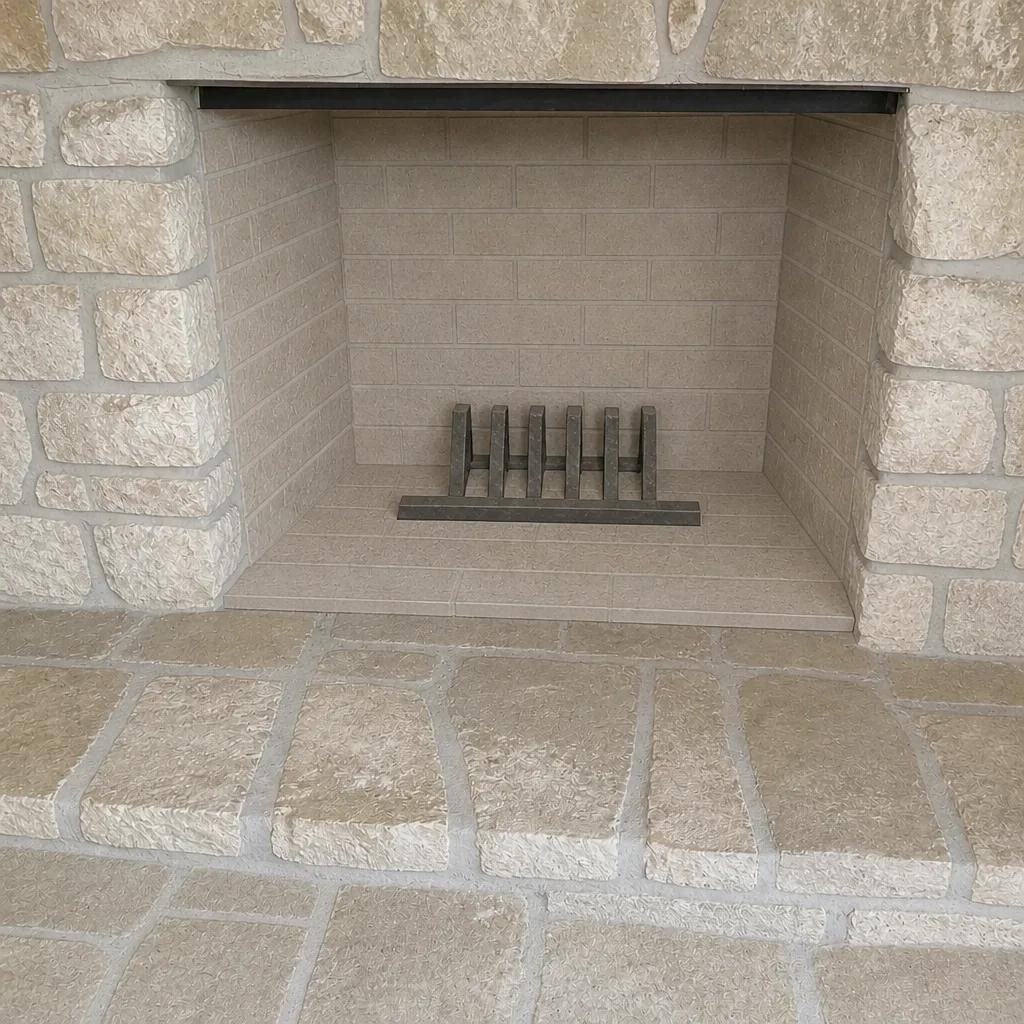
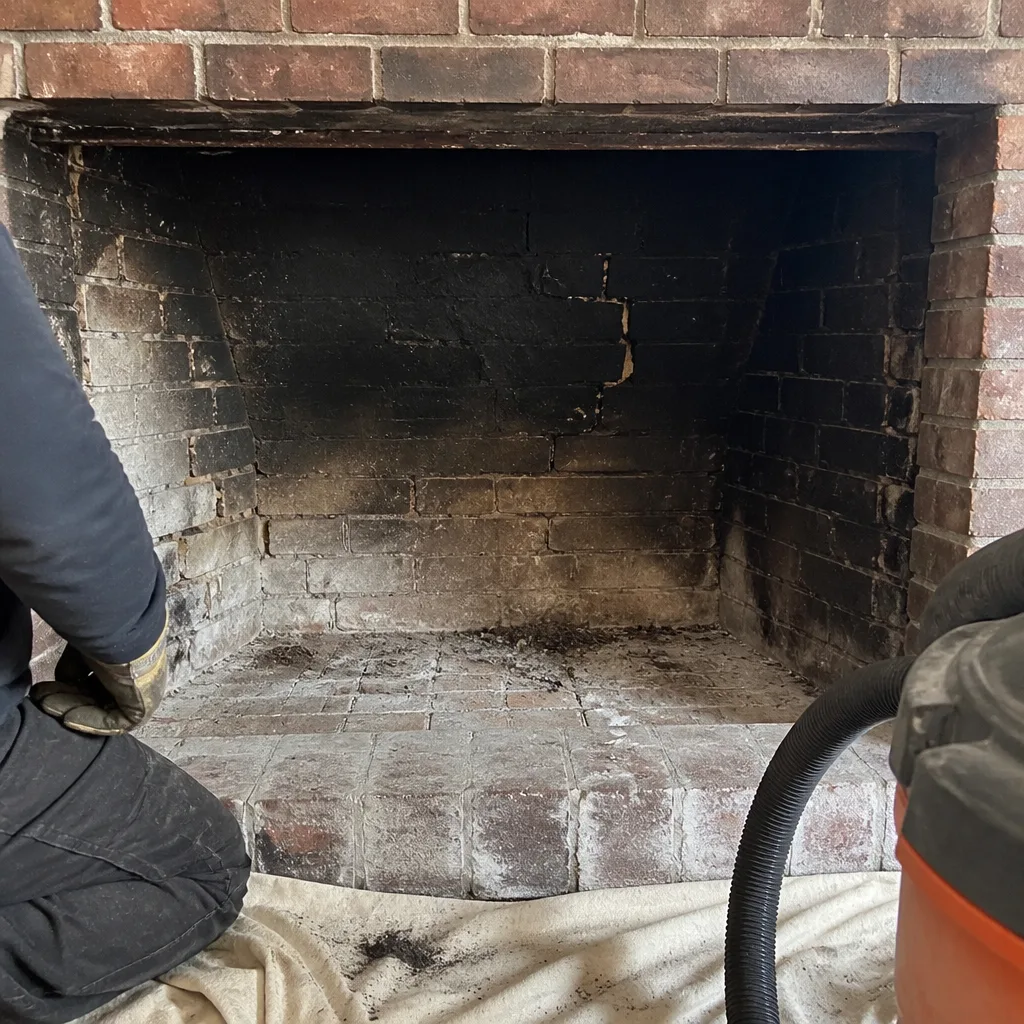
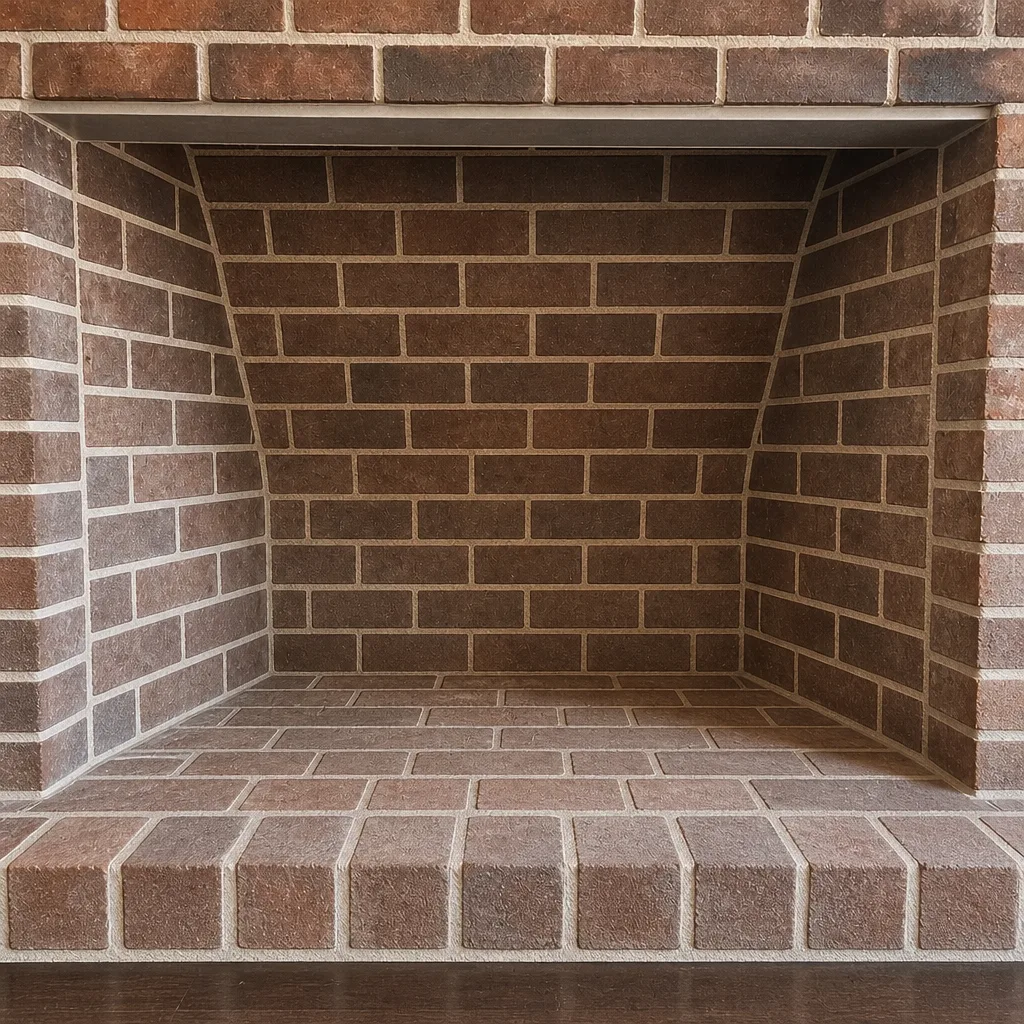
See the difference
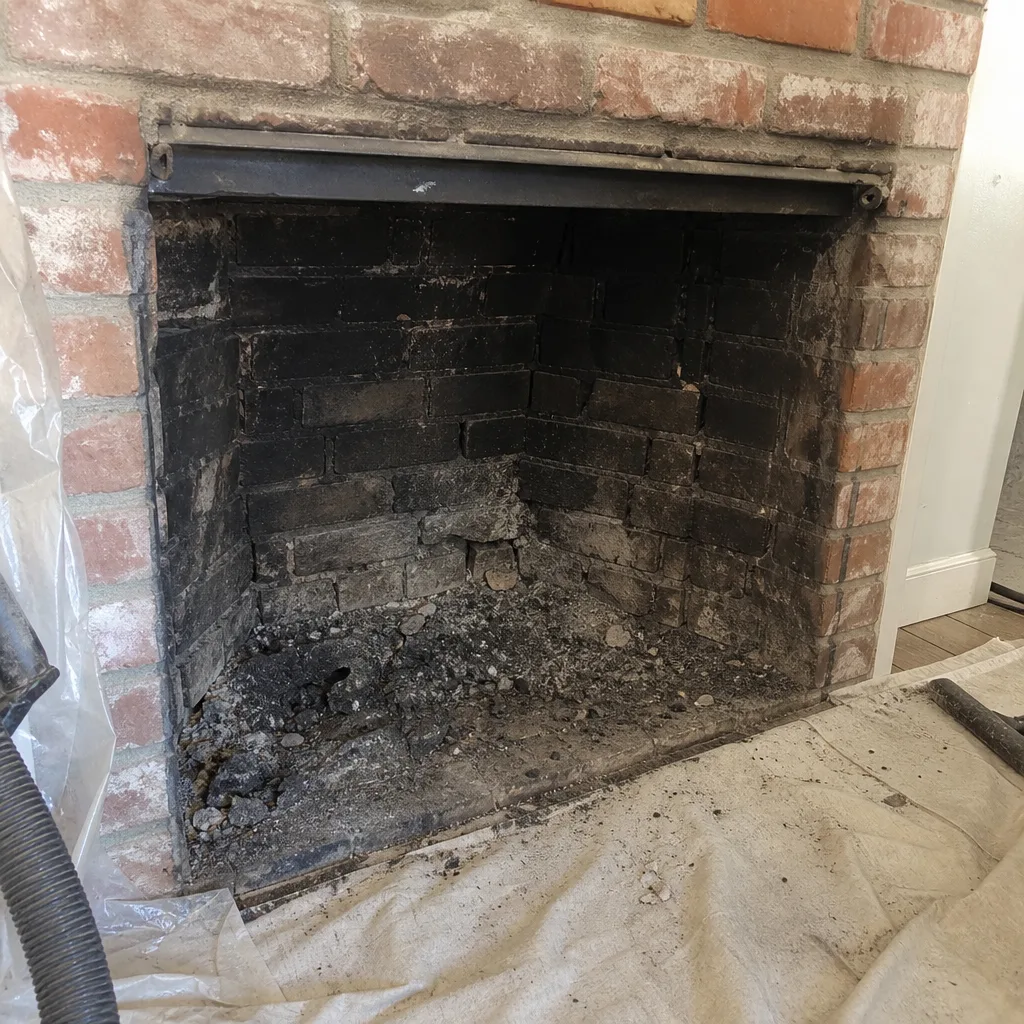 Before
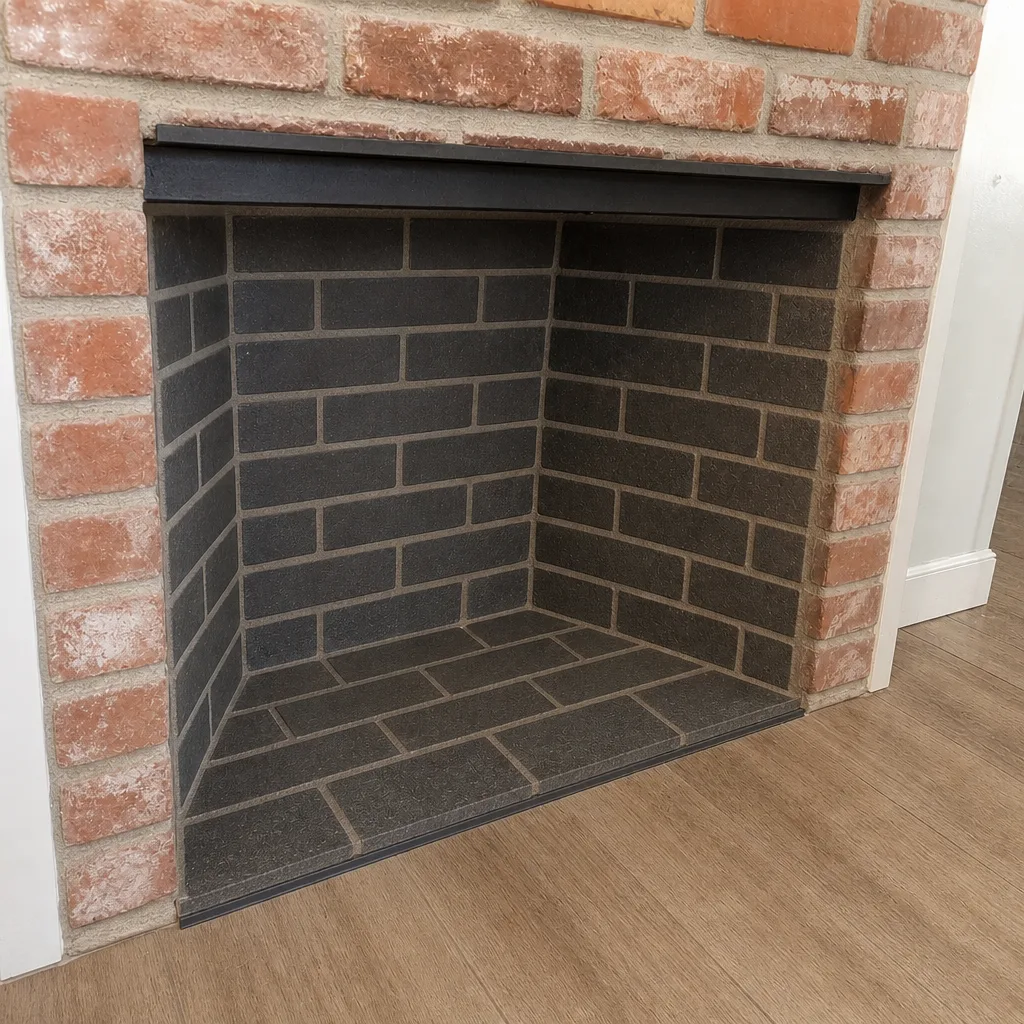 After
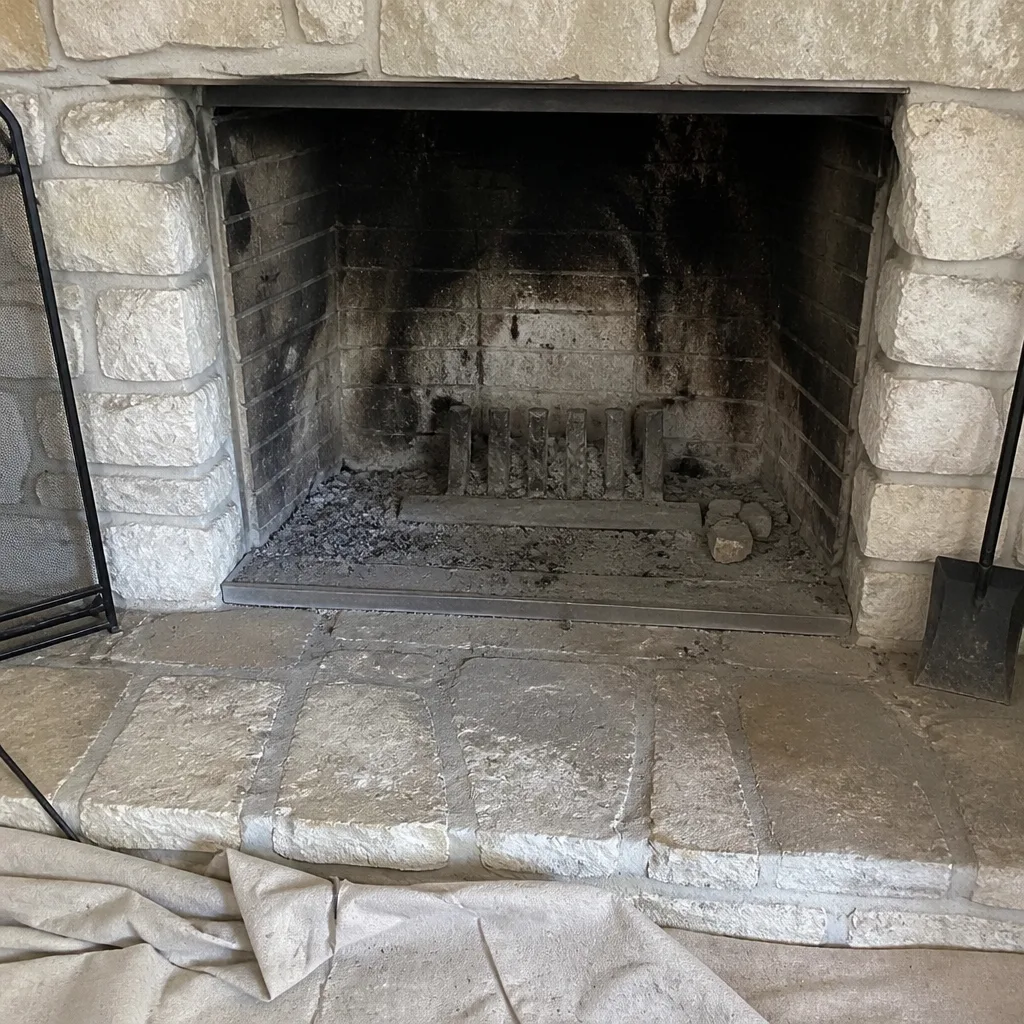 Before
 After
 Before
 After
When to Call a Professional
Call a professional if you see smoke coming into the room after priming the flue, smell gas near a gas fireplace, or have any carbon monoxide symptom. Call if water is getting into the firebox, if the mortar is crumbling, or if you can see that the cap is missing or the crown is cracked. Cracked flue tiles, a strong summer odor, or liner questions are all reasons to book an inspection with a camera. And if it’s simply been more than a year since the last sweep, that’s reason enough. Salinas Chimney Sweep offers free estimates in Salinas, and our technicians have up to 14 years of experience. We answer 24/7. Fast dispatch from 7am to 7pm, Sunday through Friday. Call (844) 834-5211.
Frequently Asked Questions
A typical sweep in the Salinas area usually runs in the low-to-mid hundreds of dollars, and a camera inspection plus any repair is priced separately. The written estimate sets the final price, so you’ll always know the cost before work starts. Call (844) 834-5211 for an exact quote: estimates are free.
A new liner is only needed when the existing flue is damaged badly enough that resurfacing won’t hold, and you should be able to see the evidence. Ask for the camera images of the cracks or voids. When the damage is moderate, ceramic resurfacing may restore the liner without a full reline, which is why we document before recommending. Call (844) 834-5211 for an exact quote: estimates are free.
A chimney used regularly should be swept and inspected once a year. Chimneys here that sit cold through the summer months often need a sweep before the first fall fire, even with light use. If you’re not sure when the last visit was, book one. Call (844) 834-5211 for an exact quote: estimates are free.
Skipping a sweep lets creosote and moisture build up in the flue, which is what feeds chimney fires and can lead to carbon monoxide problems. It also lets small cracks go unnoticed until they turn into liner work. The fix now is usually cheaper than the fix later. Call (844) 834-5211 for an exact quote: estimates are free.
Windy-day smoke is usually a draft problem, not a blockage. Turbulence around a cap, or a flue that doesn’t clear the roofline, can push smoke back down when the wind is up. That points to cap sizing or flue height, and a technician can diagnose it. Call (844) 834-5211 for an exact quote: estimates are free.
It’s rarely an emergency, but it does mean moisture is reactivating old creosote and dust in the flue. Left alone, that’s a chimney fire risk to check before fall. A sweep plus fixing the source of the water usually clears it up. Call (844) 834-5211 for an exact quote: estimates are free.
The Bottom Line
Most chimney problems in Salinas come down to moisture, infrequent use, and a cap or flue that was never right. Smoke rollout is usually a cold or undersized flue, not a dirty one. Slow draw is physics, and it’s often fixable with proper sizing. Water stains and summer odor mean moisture is getting in where the cap, crown, or flashing should have stopped it. Match your symptom to the cause, use the urgency matrix to decide what waits, and stop guessing. One call that covers cleaning, inspection, and repair, with camera evidence you can see, is the way to make a chimney problem a settled one.
Call (844) 834-5211 for a free estimate. We answer 24/7. Fast dispatch from 7am to 7pm, Sunday through Friday.
Written by the team at Salinas Chimney Sweep.