
Last updated November 16, 2026
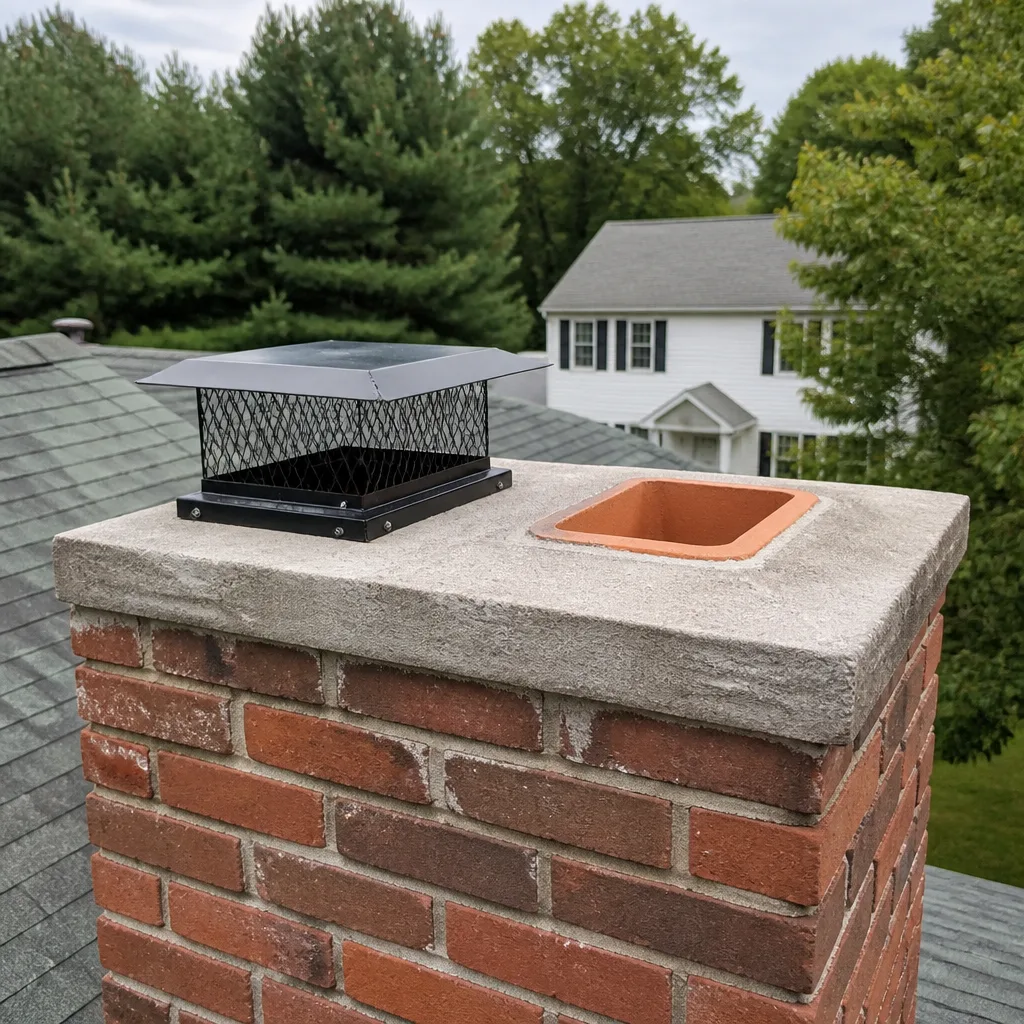 Sweep & inspection
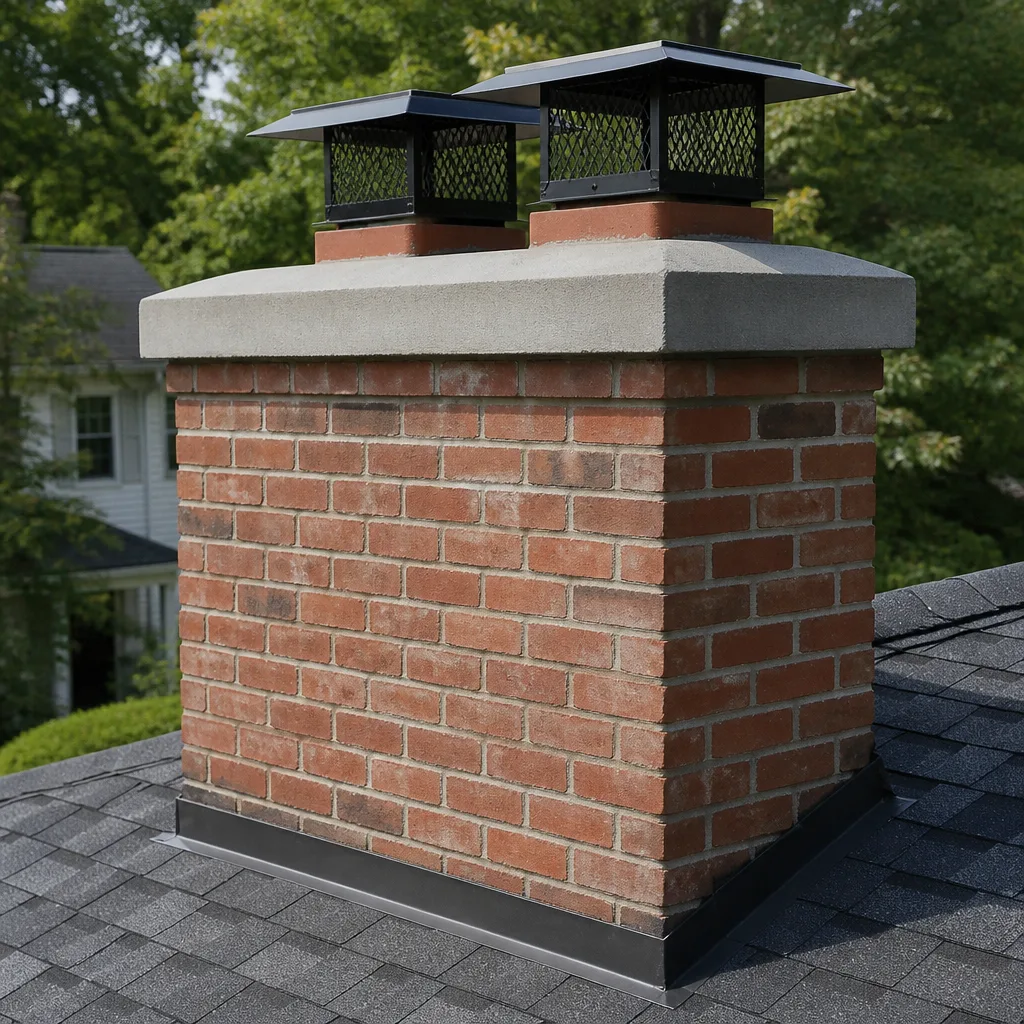 Caps & crowns
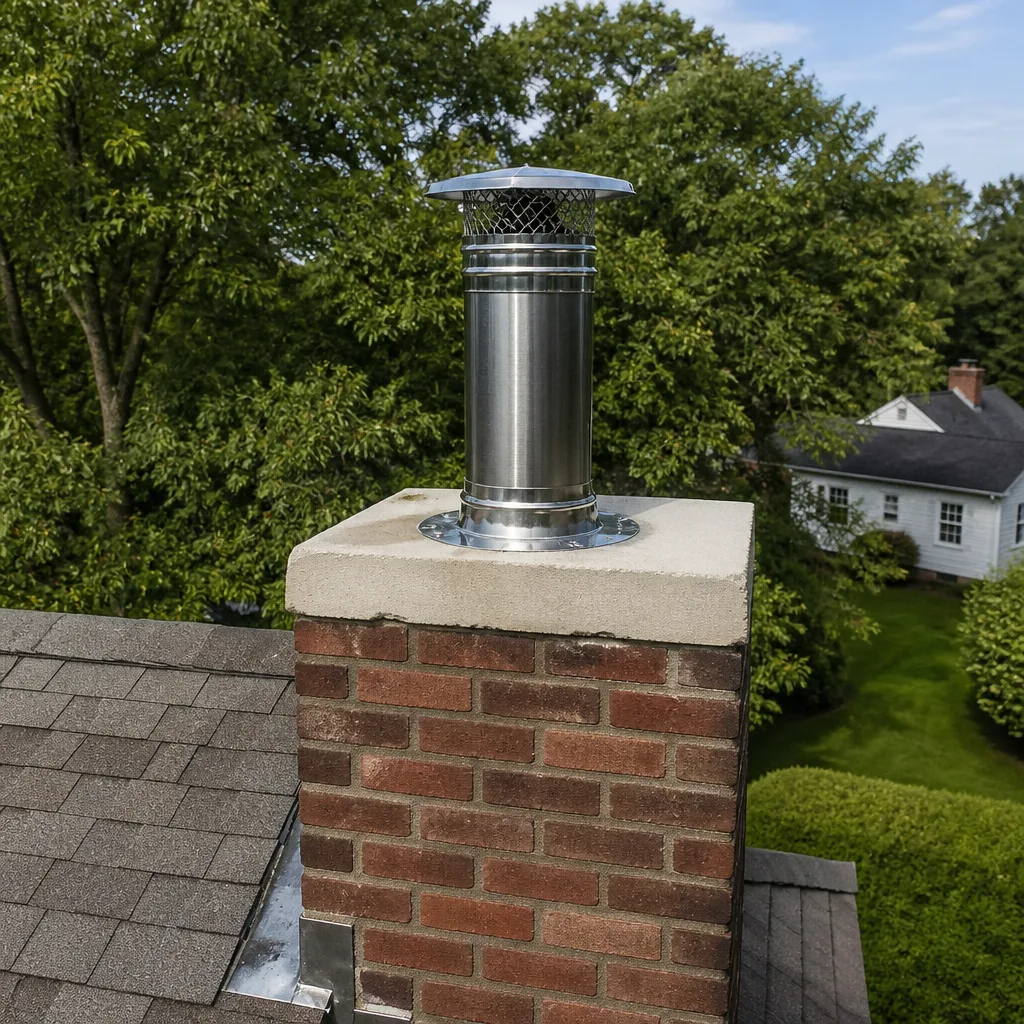 Flue relining
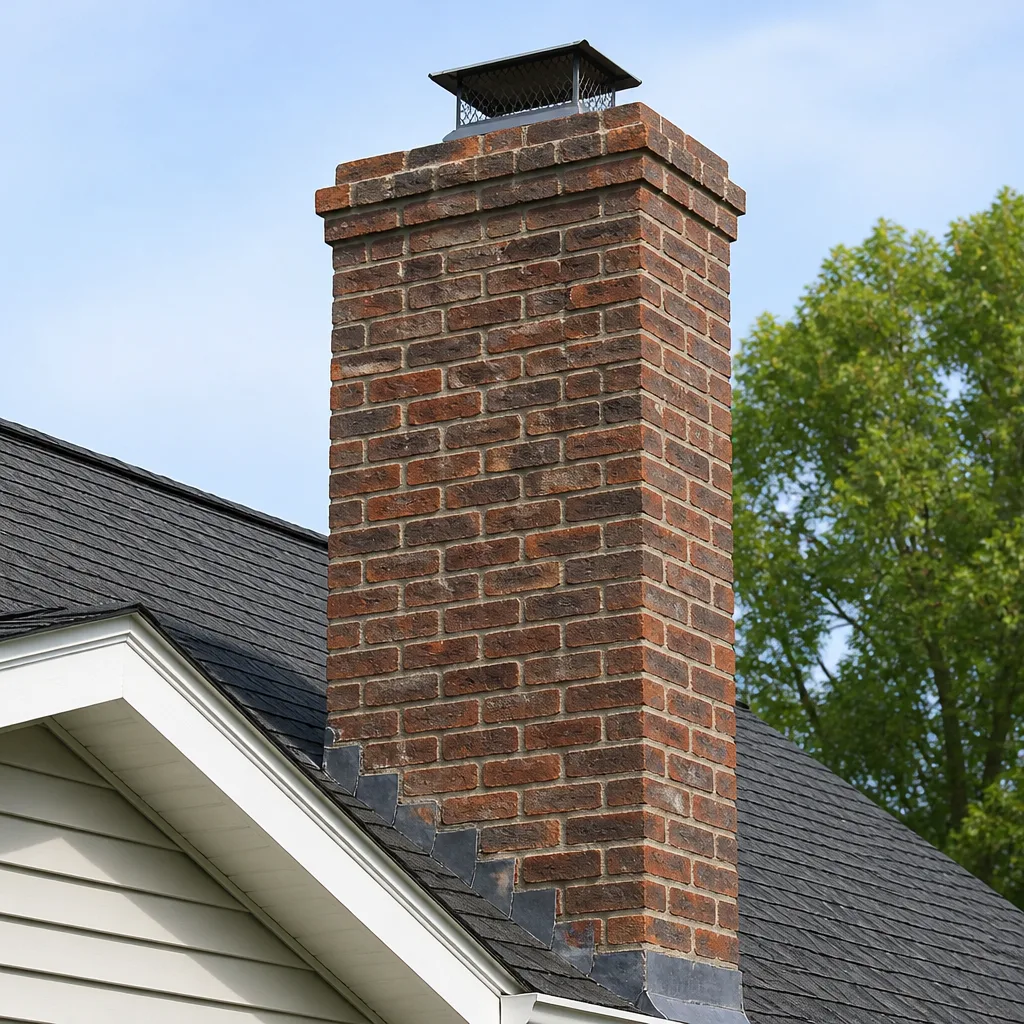 Masonry repair
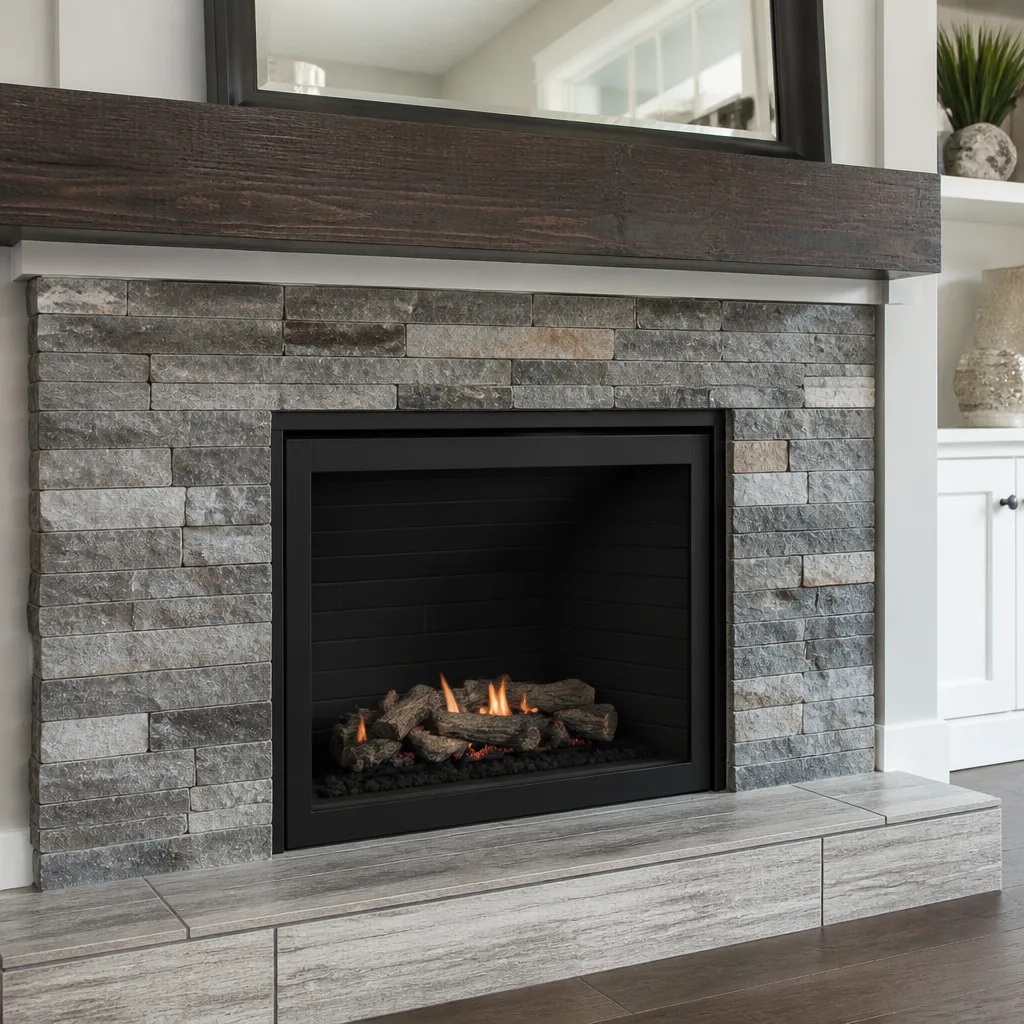 Gas fireplace service
Level 1 sweep and inspection to the NFPA 211 annual standard - flue, crown, cap, and flashing checked and photographed
Chimney sweep logs do not sweep chimneys. They loosen some creosote - which then falls where a brush and vacuum still have to collect it.
DIY vs Professional Chimney Cleaning: The Salinas Homeowner’s Decision Guide
You can rent a chimney brush kit for less than the cost of a tank of gas and physically move creosote off the flue walls. That part is real. What the rental kit can’t do is tell you whether the creosote you just brushed is stage one, two, or three, whether the liner underneath it is cracked, or whether the smoke chamber above your firebox is shaped the way it should be. The brushing was never the hard part. The diagnosis is. This guide draws a clear line between what a Salinas homeowner can reasonably handle and what genuinely needs training and equipment to find, so you can decide for yourself instead of being told to always hire out.
Quick Answer
DIY chimney cleaning is a reasonable choice only when your flue is already known to be sound, your creosote is light, and you’re maintaining a chimney that a professional has inspected and cleared. For anything else, especially an older Salinas home with an unknown liner, the brush work is the easy 20 percent and the inspection is the part that actually protects your house. Professional cleaning matters less for the scrubbing and more for the camera inspection, the diagnostic judgment, and the documentation that comes with it.
Styles & brands we work with
- Sweep & inspection
- Caps & crowns
- Flue relining
- Masonry repair
- Gas fireplace service
Table of Contents
- What DIY Chimney Brushing Actually Accomplishes
- What a Camera Inspection Reveals After a DIY Job
- The Equipment That Separates DIY From Professional
- Three Scenarios Where DIY Makes Sense and Three Where It Doesn’t
- What Salinas Homeowners Specifically Need to Know
- If You Do Attempt DIY: Minimum Prep and Safety Steps
- When to Call a Professional
- Frequently Asked Questions
What DIY Chimney Brushing Actually Accomplishes
A consumer chimney brush does one thing well: it knocks loose, dry creosote off the accessible flue walls. On a straight flue with light, flaky deposits, a homeowner with a pole brush can remove a meaningful amount of soot and ash. That’s not nothing. If your chimney was swept last year, burned dry hardwood all season, and you’re doing an annual touch-up, the brush gets you most of the way there.
Where the brush stops working is everywhere the flue isn’t straight, and everywhere the problem isn’t on the surface.
- Offsets and bends. Many chimneys have a jog where the flue shifts around framing. A straight pole brush goes past that offset without ever touching the angled section, which is exactly where creosote accumulates thickest.
- Glazed creosote. Stage three creosote is baked-on, shiny, and hard. A nylon or poly brush skates over it. Removing it takes rotary equipment and, in some cases, chemical treatment over multiple visits.
- The smoke chamber. The sloped space above the firebox and below the flue is where the brush never reaches. Its shape and condition are what determines whether smoke rolls into your room or drafts cleanly up.
- The liner itself. A brush cannot tell you whether the clay tiles behind the creosote are cracked, spalling, or missing at a joint. That takes a camera.
- The cap, crown, and top of the flue. Accessible from the roof, but only if someone is willing to get up there safely. Everything below the roofline is invisible to a homeowner standing in the firebox.
In our experience, homeowners who brush their own flues are usually doing honest maintenance on a chimney that was already in decent shape. The trouble starts when the same brush is used as a substitute for a diagnosis that nobody has performed.
What a Camera Inspection Reveals After a DIY Job
Here’s the honest answer to the question most DIY guides skip: a camera inspection after a homeowner has brushed the flue often finds the same defects the homeowner was trying to prevent. The brush removed the visible soot. The camera sees what was underneath it.
When we run a camera down a flue that’s just been brushed, these are the findings that show up again and again:
- Hairline cracks in clay tiles. Heat cycling opens cracks that a brush passes right over. A crack lets heat and combustion gases reach the framing or masonry around the flue.
- Gaps at tile joints. The mortar between clay liner sections can erode over time. A camera can see a joint that’s missing mortar; a brush cannot.
- Spalling and flaking liner surfaces. When the inner face of a clay tile begins to break down, the flakes look a lot like creosote. They’re not. That’s the liner failing.
- Improperly shaped smoke chambers. A smoke chamber that’s too shallow, too steep, or has exposed corbeled brick creates turbulence and smoke spillage into the living space.
- Creosote left in the offset or at the top third. The part of the flue the brush didn’t fully reach.
- Debris on the smoke shelf. Twigs, nesting material, and fallen mortar collect on the shelf behind the damper and stay there through a DIY sweep.
None of this is meant to discourage anyone from doing their own maintenance. It’s meant to be clear about what the camera adds. An inspection documents what a brush sweeps past. That record matters for insurance, for a future home sale, and for planning repairs before they turn into an emergency.
The Equipment That Separates DIY From Professional
The gap between a rental brush kit and a professional setup isn’t marketing. It’s a physical difference in what each system can reach and how completely it captures what it loosens. Here’s the practical breakdown.
DIY: what a rental kit includes
- A poly or wire brush sized to the flue
- Flexible fiberglass rods
- Optional hand-held shop vacuum at the firebox
- A drop cloth and hand tools
Professional: what changes the outcome
- Rotary cleaning systems. A powered whip or chain head follows the flue’s interior contour, including offsets, and scrubs glazed creosote that a straight brush can’t touch.
- Industrial HEPA vacuums. The vacuum runs continuously during the sweep to capture fine soot at the source. A shop vac pulls some of it back into the room instead.
- Camera inspection tools. A dedicated flue camera reaches the full length of the liner and documents cracks, joint gaps, spalling, and the smoke chamber in images you can see yourself.
- Proper chimney-top access. The cap, crown, and top of the flue are checked as part of the same visit, not as a separate, later concern.
- Access to professional-grade parts. When a sweep finds a failing liner, a professional has actual relining stock on hand. We install DuraFlex flexible liners for offset and aging flues that rigid systems can’t handle, and we restore flues with HeatShield ceramic resurfacing when a full reline isn’t necessary. Neither is something you can pick up from a hardware store on a weekend.
This is the crux of the DIY vs professional debate. The cleaning method matters, but what really separates the two paths is what happens the moment a professional sweep finds something. A rental brush kit stops at the cleaning. A professional service starts there and finishes the job in the same visit.
Three Scenarios Where DIY Makes Sense and Three Where It Doesn’t
Three scenarios where DIY is reasonable
- You have a documented, sound liner from a prior professional inspection. If a camera inspection within the last few years confirmed your liner, smoke chamber, and cap are in good shape, annual brushing is honest maintenance on a known-good chimney. Keep a written record of both the inspection and your own cleaning.
- You’re between professional sweeps and the creosote is light and flaky. If you burn dry, seasoned hardwood and haven’t let a season of buildup accumulate, a touch-up between professional visits isn’t going to hurt anything, provided you can access the flue safely.
- You’re on a regular professional cycle and want to extend it in a light-use year. A gas insert with a properly sized flue, used occasionally, builds very little creosote. Mid-cycle brushing is a reasonable maintenance step as long as the professional inspection still happens on schedule.
Three scenarios where DIY creates more risk than it saves
- The home is older and the liner condition is unknown. This is the most common situation in Salinas and it’s the one where DIY is the wrong call. Brushing a flue with a cracked clay liner or a missing joint can push creosote and debris into a place where it can’t be seen or removed, and it doesn’t fix the underlying defect.
- You suspect glazed or heavy creosote. A homeowner looking up a flue and seeing shiny, tar-like coating has a stage three situation. A poly brush won’t budge it. Rotary equipment plus chemical treatment is the professional answer, and it’s not a homeowner job.
- You notice smoke rollback, drafting problems, or a smell in the house. These are symptoms that point to the liner, the smoke chamber, or the cap. They’re exactly the kind of thing a camera inspection is designed to diagnose, and no amount of brushing will resolve them.
If you recognize your own situation in any of the second group, the brush isn’t going to help and could cause harm. That’s the point where a scheduled inspection is the right call, not another season of DIY.
What Salinas Homeowners Specifically Need to Know
Salinas has a specific set of conditions that make the DIY vs professional question sharper than it is elsewhere. The climate is mild, which sounds like good news for chimneys, until you understand what mild weather actually does.
Older housing stock and unknown liners
A lot of the homes around Salinas, particularly in established neighborhoods near Oldtown and in the surrounding residential blocks, were built in eras when clay tile liners were the standard and full relining wasn’t always the expected practice. That means two things. First, many flues in Salinas homes have never had a camera inspection, so their condition is genuinely unknown even to the people living there. Second, when a liner does need work, the solution is often more involved than a hardware-store patch: DuraFlex flexible liner installation can handle the offset and aging flues that rigid systems can’t, and HeatShield ceramic resurfacing can restore a flue’s interior surface without a full reline in the right circumstances.
For a homeowner with an unknown clay tile, DIY brushing is a step being taken blind. A camera inspection should come before the brush, not after.
Mild winters and year-round burning
Salinas winters are mild. That’s not a fact to ignore. A wood-burning fireplace or stove used through the cooler months on a year-round basis accumulates creosote slowly but steadily, and mild seasonal temperatures mean the flue can be in use longer than in colder regions. It also means homes here sometimes sit for years without anyone thinking to have the chimney looked at. Long gaps between inspections, plus steady year-round use, is exactly how small liner problems become serious ones.
Marine-air corrosion patterns
Chimneys near the coast encounter a steady pattern of marine-air corrosion on metal components. Dampers, caps, and the metal components of a prefab system are the ones most vulnerable. This isn’t something a brush can detect or address. It’s something a professional sweep checks as part of the same visit. If you’re doing your own maintenance, know that metal wear is one of the things you’re almost certainly not seeing.
What this means in practice
A Salinas homeowner with an older home, an unknown liner, and a chimney that hasn’t had a camera inspection in years is the exact person who should not be solving this with a rental brush. For a professional inspection in Salinas, we can document the flue condition and give you a written record you can keep for insurance, resale, or planning. The record is worth more than a Saturday with a brush.
If You Do Attempt DIY: Minimum Prep and Safety Steps
If you’ve read this far and still want to attempt a DIY sweep, the setup matters more than the brushing. Here is the minimum standard. It doesn’t make DIY equal to a professional sweep. It makes it less likely to go wrong in the ways DIY most commonly goes wrong.
Before you start
- Get a professional baseline inspection first. This isn’t optional. A camera inspection documents your liner condition before you brush, so if you find glazed creosote, a cracked liner, or a bad smoke chamber, you know before you make it worse.
- Check the weather and your draft. A cold, damp day with a weak draft means soot ends up in the room. A dry, calm day with a good draft is the right time to work.
- Confirm your flue is straight and accessible. If you can’t see the full length of the flue from the top or the bottom, a straight brush won’t reach all of it and the DIY approach is off the table.
- Seal the firebox opening. Tape plastic over the fireplace opening, leaving a slit to work through. Layer drop cloths over the hearth and furniture. Lay down a tarp on the roof for the top-side work.
- Have the right equipment. Correct-size brush, fiberglass rods, a HEPA-rated vacuum (not a standard shop vac if you can borrow a proper one), safety glasses, an N95 or better respirator, and gloves.
- Work top-down. Roof access is the dangerous part. If you’re not comfortable and experienced on a roof, do not go up. The risk to your wellbeing is greater than the risk from a dirty flue.
What you must still have a professional verify
After you’ve cleaned the flue yourself, one thing remains: a camera inspection. Not because the brushing was done wrong, but because the brushing isn’t the diagnosis. You need a professional to confirm that the liner is intact, that the smoke chamber is properly shaped, that the cap and crown are sound, and that no creosote was left behind in the offset or at the top of the flue. That inspection is the one non-negotiable step in the DIY path, and it’s the step that turns a brush-heavy weekend into an actual answer about your chimney’s condition.
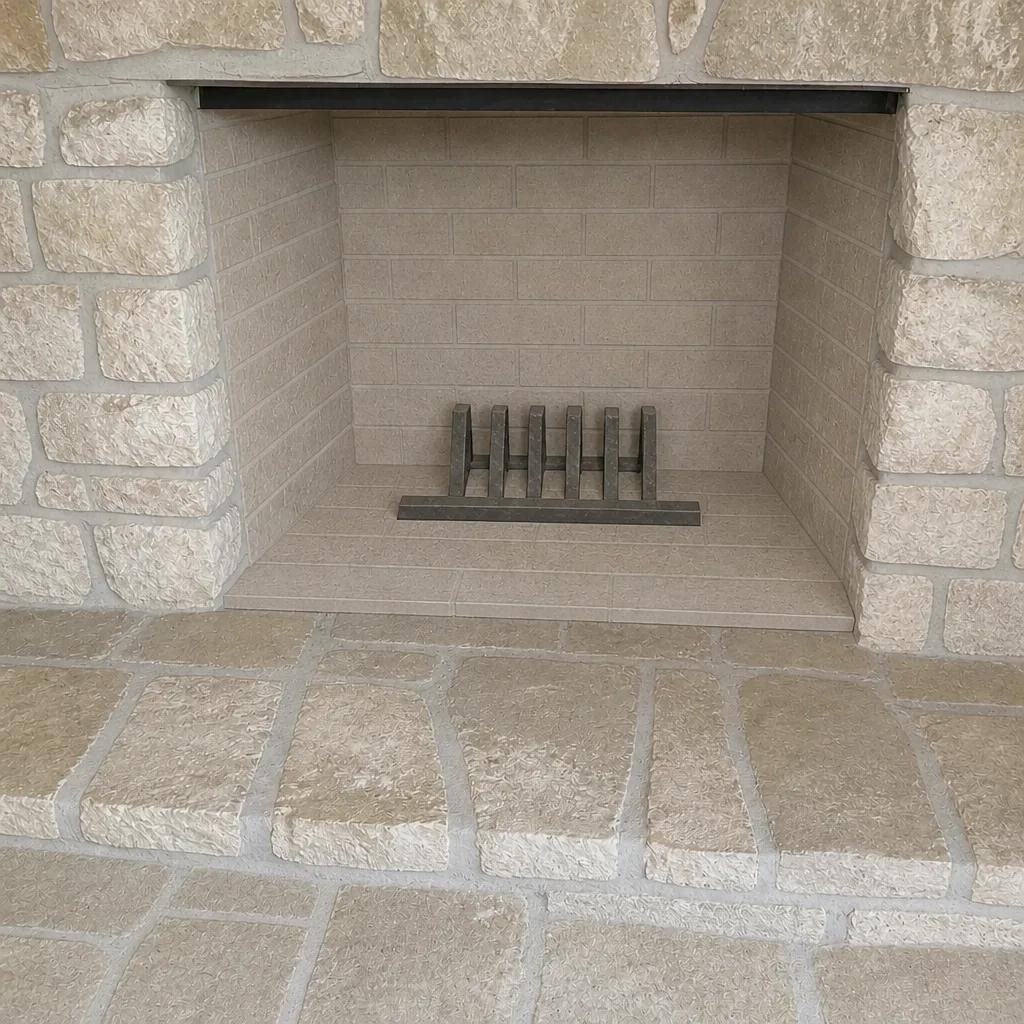
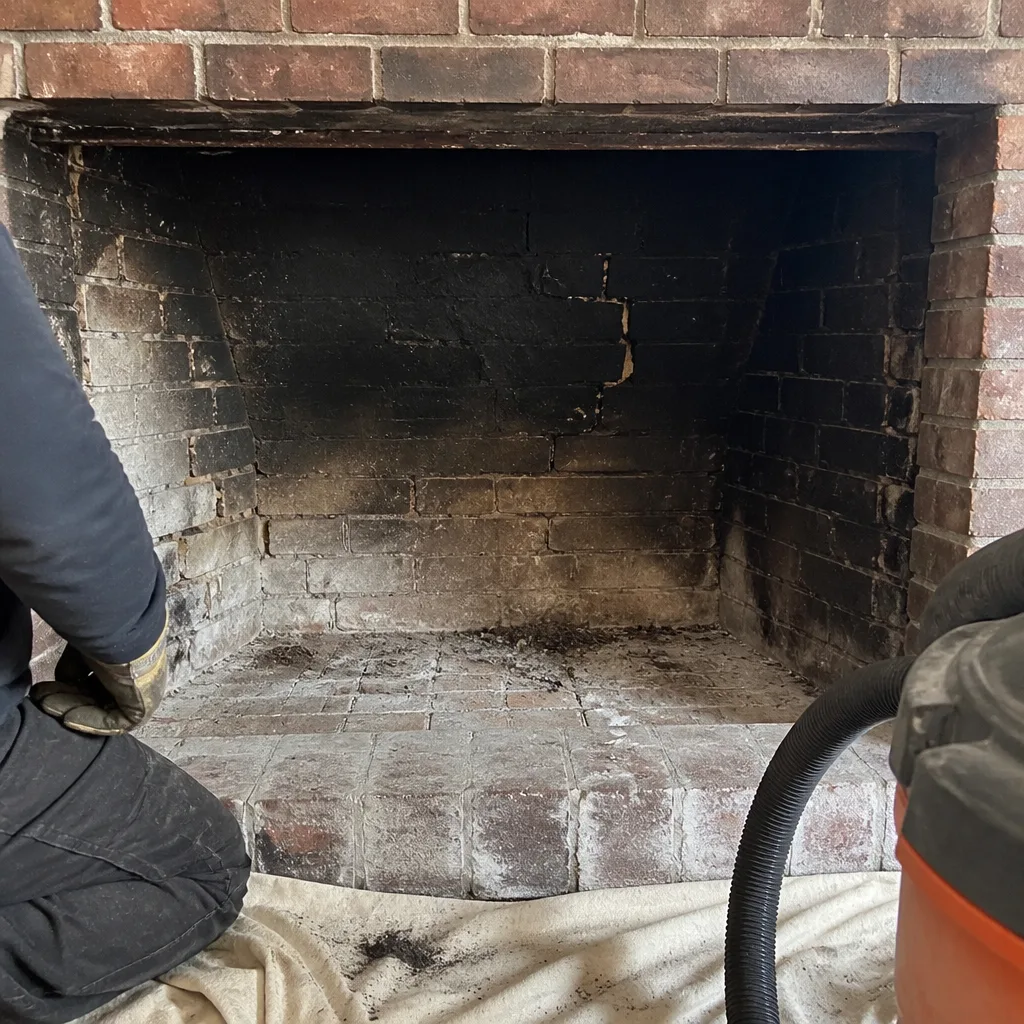
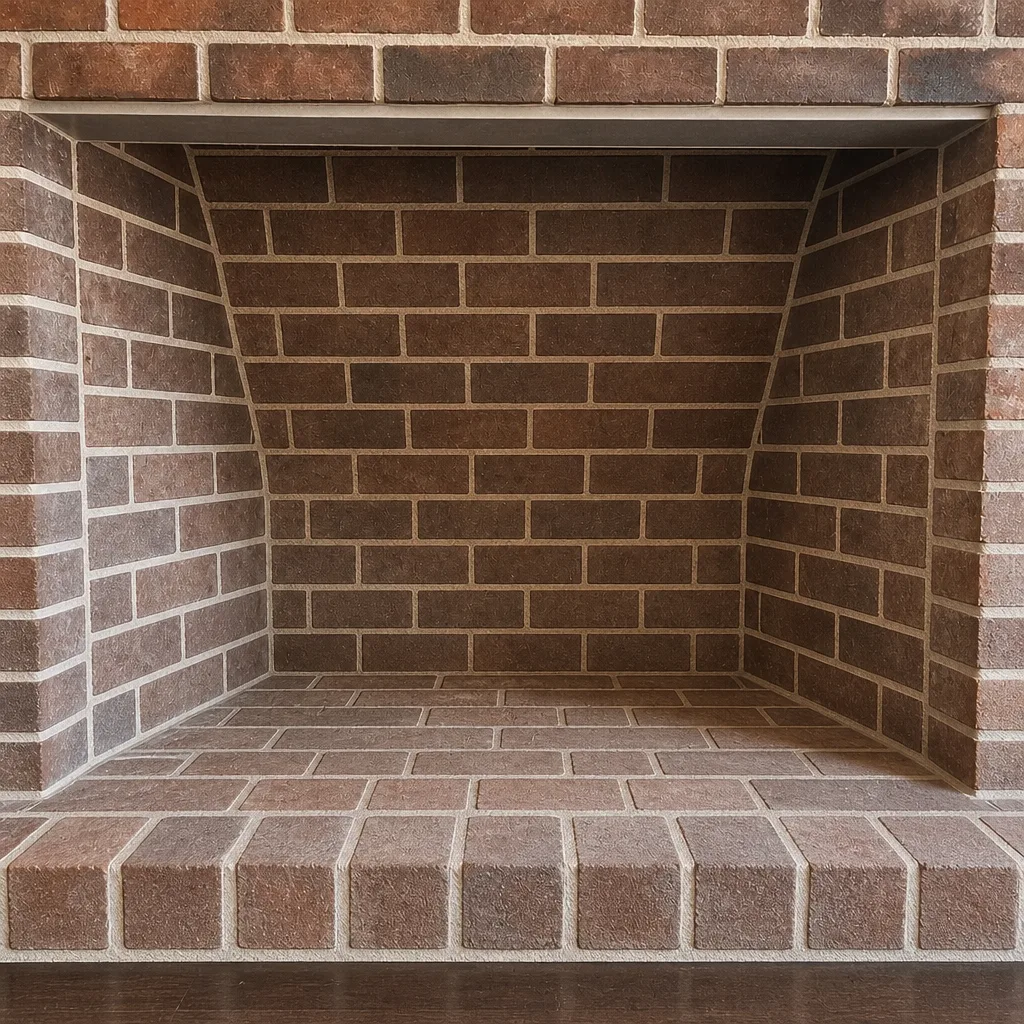
See the difference
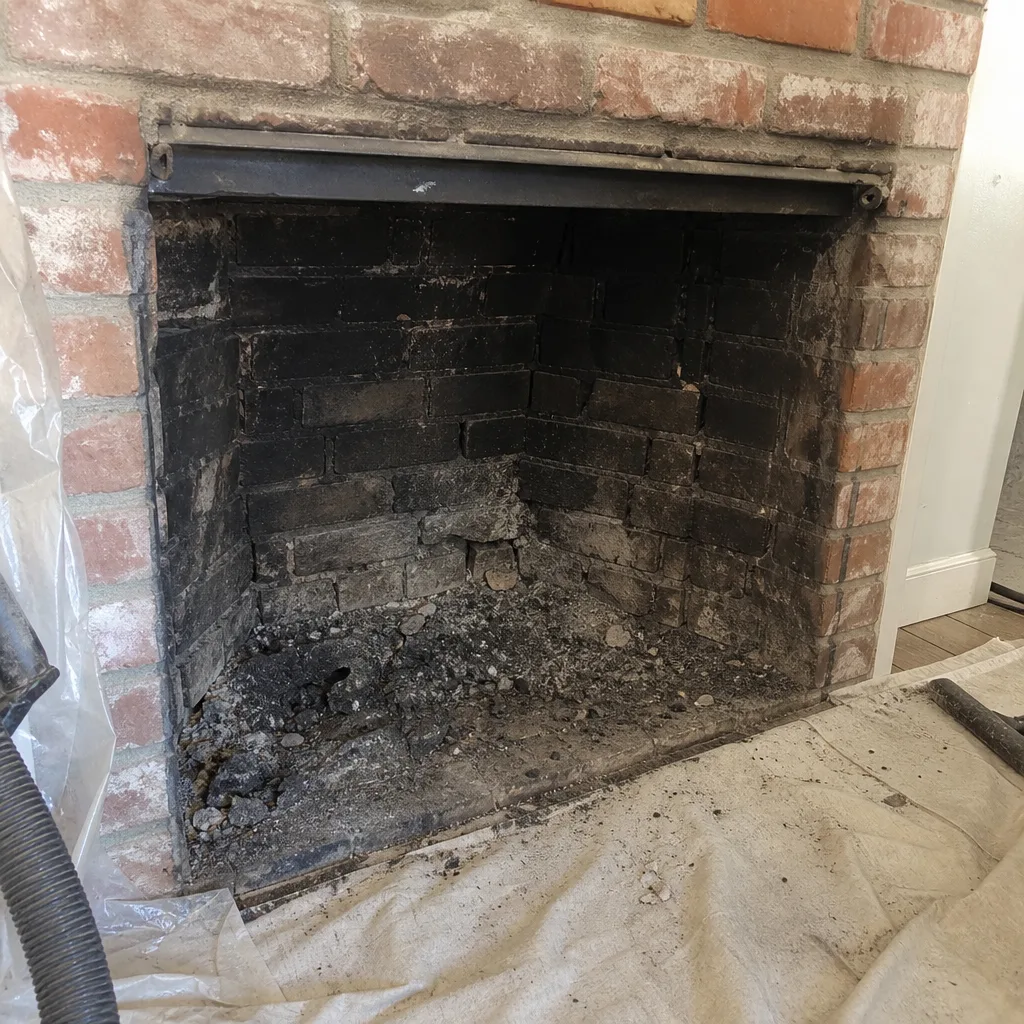 Before
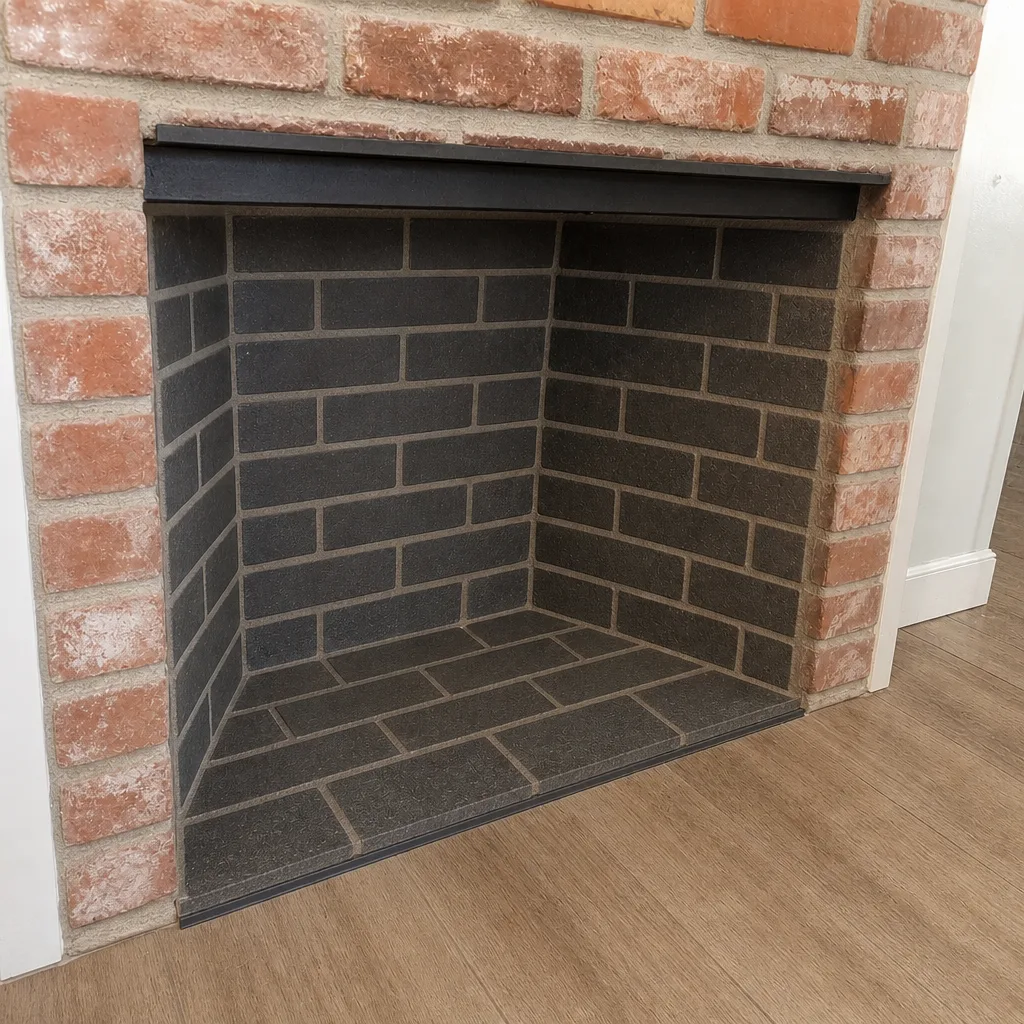 After
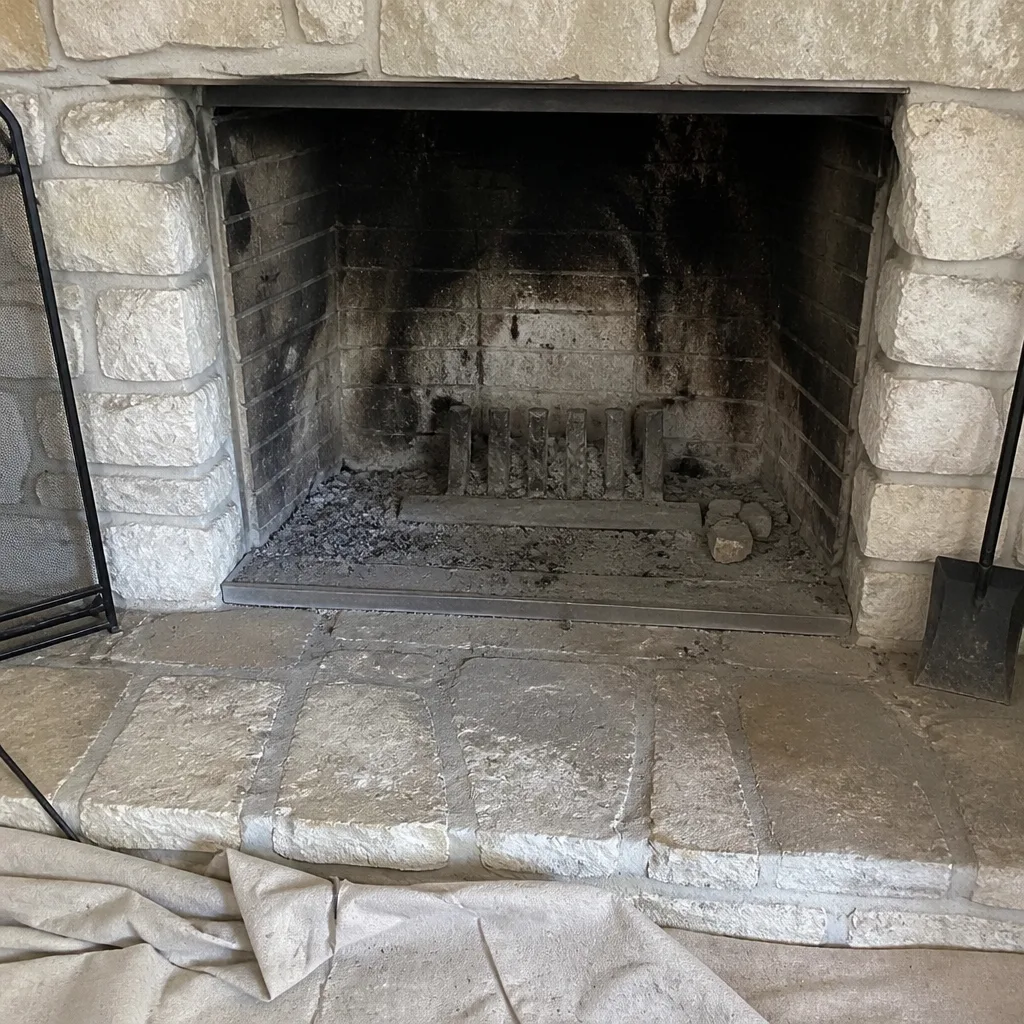 Before
 After
 Before
 After
Common Mistakes to Avoid
- Brushing without an inspection first. A brush run down a flue with a cracked or deteriorated liner can dislodge debris into places you can’t reach. In older Salinas homes, an inspection should always come before the brush, not after.
- Using a shop vac as a dust collector. Standard shop vacuums don’t filter fine soot. They redistribute it into the room and onto every surface. If you’re doing DIY, borrow or rent a HEPA-rated vacuum, or skip the sweep until you can.
- Brushing a flue you haven’t seen the inside of. If you can’t confirm your flue is straight and accessible, the brush is going to miss the parts that matter. Offsets and top-of-flue sections are where creosote accumulates most, and where a straight pole brush won’t reach.
- Ignoring the smoke chamber. The sloped space above the firebox is the single most overlooked area in any chimney system, and the one most likely to cause drafting problems. No residential brush kit addresses it.
- Assuming a metal cap or damper is fine because it looks fine from below. Marine-air corrosion on metal components is a slow problem that reveals itself from above. A professional sweep checks it; a homeowner almost never does.
- Skipping the written record. A DIY sweep leaves no documentation. If you ever sell the home, file a claim, or need to prove the chimney was maintained, a written inspection report from a professional is worth far more than a clean flue and no paperwork.
- Treating a smell or smoke rollback as a cleaning problem. If smoke rolls into your room or your chimney has an odor when it’s not in use, brushing won’t fix it. Those symptoms point to the liner, the smoke chamber, or the cap, and they need a diagnosis, not a sweep.
When to Call a Professional
Call a professional when the liner condition is unknown, when you’re seeing glazed creosote, when you’re noticing smoke rollback or a chimney smell in the house, when the home is older and has never had a camera inspection, or when you simply can’t access the roof safely. Those are the situations where the brush matters least and the diagnosis matters most. If you’re not sure which group you’re in, a camera inspection settles it either way. Salinas Chimney Sweep offers free estimates in Salinas, call (844) 834-5211. We answer 24/7. Fast dispatch from 7am to 7pm, Sunday through Friday. Our technicians have up to 14 years of experience, and the inspection comes with a written record you keep.
Frequently Asked Questions
Most chimney sweeps in Salinas run in the same general range as the rest of the region, and you should expect a written estimate before any work starts. The price depends on the flue’s accessibility, whether you’re on a standard or complex flue, and whether an inspection is included. We don’t quote a number over the phone that we can’t stand behind in writing. Call (844) 834-5211 for an exact quote, estimates are free.
No, and that’s the answer you should hear first from any professional. A liner needs replacement when a camera inspection shows cracks, gaps at joints, spalling, or a deterioration that resurfacing can’t reasonably restore. When the liner is intact and the problem is surface wear, HeatShield ceramic resurfacing can often restore the flue without a full reline. Nothing should be recommended without camera evidence you can see yourself. Call (844) 834-5211 for an exact quote, estimates are free.
Standard guidance is once a year for a wood-burning chimney in regular use, more often if you burn heavily or notice glazed creosote. Gas inserts need an annual inspection too, even though they produce less creosote. Salinas has mild winters and a lot of homes that sit for years between sweeps, so an annual inspection is the safer cycle to build around. Call (844) 834-5211 for an exact quote, estimates are free.
Two risks matter: chimney fire and carbon monoxide. Creosote builds up inside the flue over time, and stage three glazed creosote is combustible enough to ignite. A failing liner lets combustion gases escape into the home’s framing or living space, and carbon monoxide has no odor, so you won’t notice it until it matters. Not every dirty chimney is a hazard, but nobody can tell which is which without a camera inspection. Call (844) 834-5211 for an exact quote, estimates are free.
No, that’s the one situation where DIY adds more risk than it removes. Original clay liners in older Salinas homes are often unknown to the current owner and may have cracks or joint gaps that a straight brush can’t see and can make worse. Get a camera inspection first, then decide what maintenance makes sense. Call (844) 834-5211 for an exact quote, estimates are free.
A professional inspection gives you a written record of your chimney’s condition, including camera images of the liner, smoke chamber, cap, and top of the flue. That document is what you use for insurance, a future home sale, or planning repairs. A DIY sweep leaves no record and reveals nothing about the parts of the flue you can’t see. For a chimney sweep in Salinas that ends with a photo report, that’s the standard we hold to.
The Bottom Line
The DIY vs professional chimney cleaning question isn’t a cost-versus-safety tradeoff. It’s a visibility question. A rental brush kit moves creosote off the flue walls you can reach. A camera inspection finds the cracks, joint gaps, spalling, and smoke chamber problems that you cannot. For a homeowner with a fresh inspection and light deposits, DIY between professional visits is honest maintenance. For a Salinas homeowner with an older home and an unknown liner, the brush is the wrong starting point: an inspection is. The professional side of this decision isn’t about the cleaning ticket; it’s about the documentation, the diagnostic judgment, and access to real parts like DuraFlex liners and HeatShield resurfacing when a flue needs actual repair.
Whether you’re ready for a scheduled sweep, need a chimney repair assessment, or just want to know what’s inside the flue before you commit to anything, we can run a camera inspection and document what’s there. Salinas Chimney Sweep works with professional-grade supply brands like DuraFlex, HeatShield, Gelco, and Olympia Chimney, and we handle sweeping, inspection, and repair under one company so you don’t get handed off. Call (844) 834-5211 for a free estimate. We answer 24/7. Fast dispatch from 7am to 7pm, Sunday through Friday.
Written by the team at Salinas Chimney Sweep.