
Last updated November 16, 2026
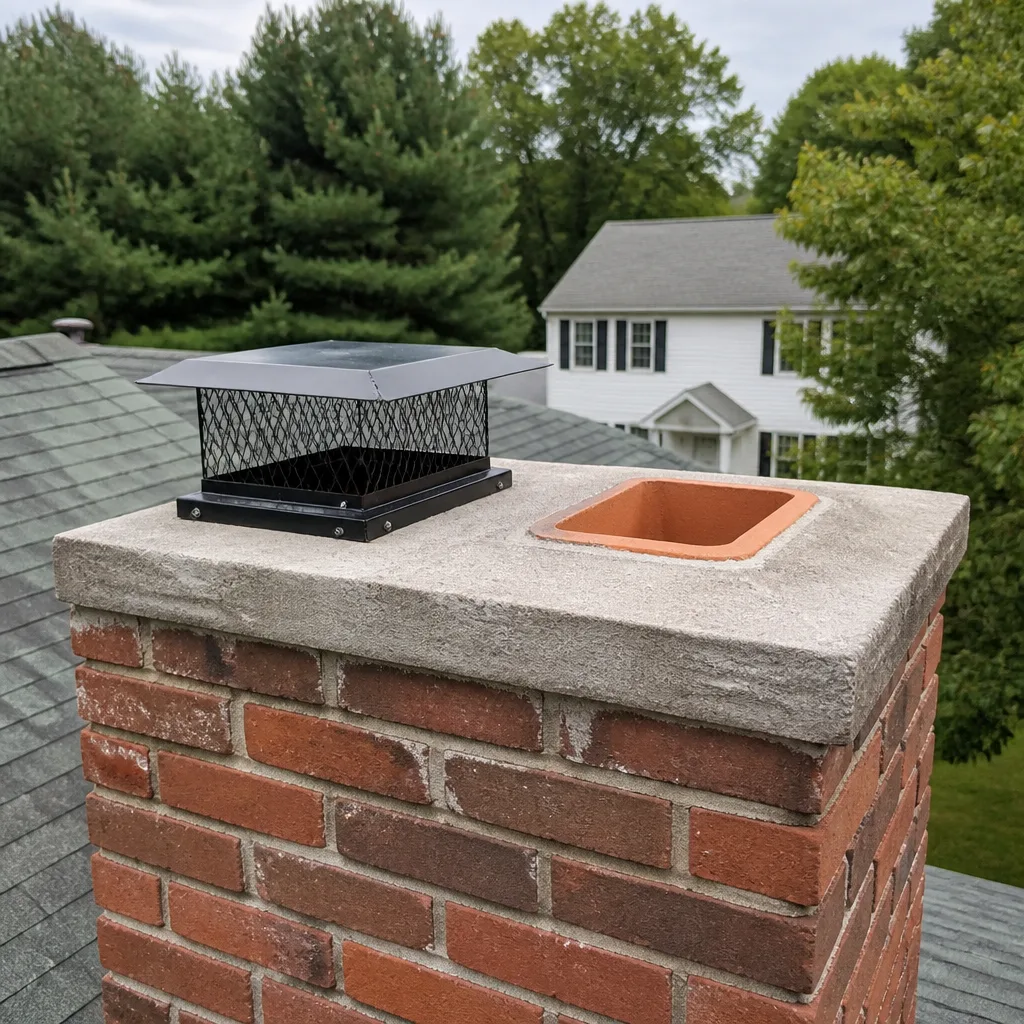 Sweep & inspection
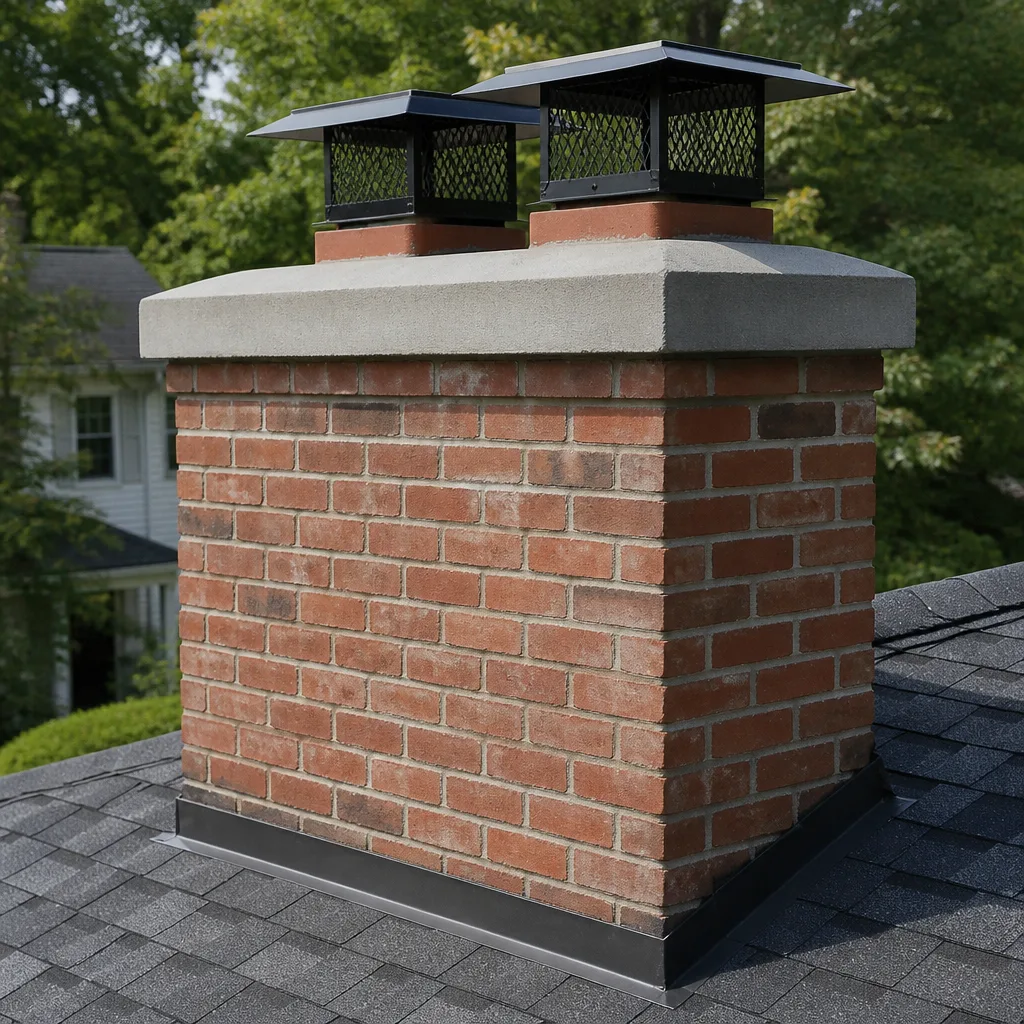 Caps & crowns
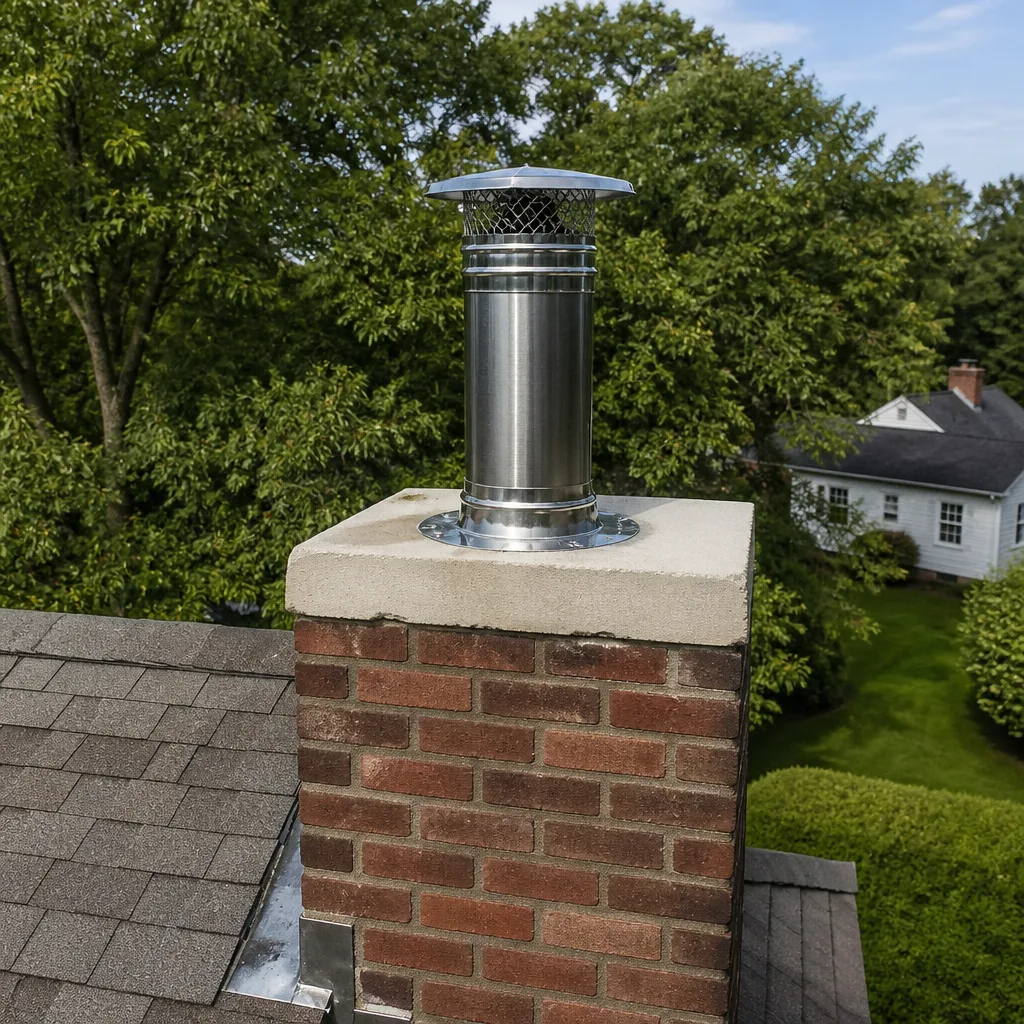 Flue relining
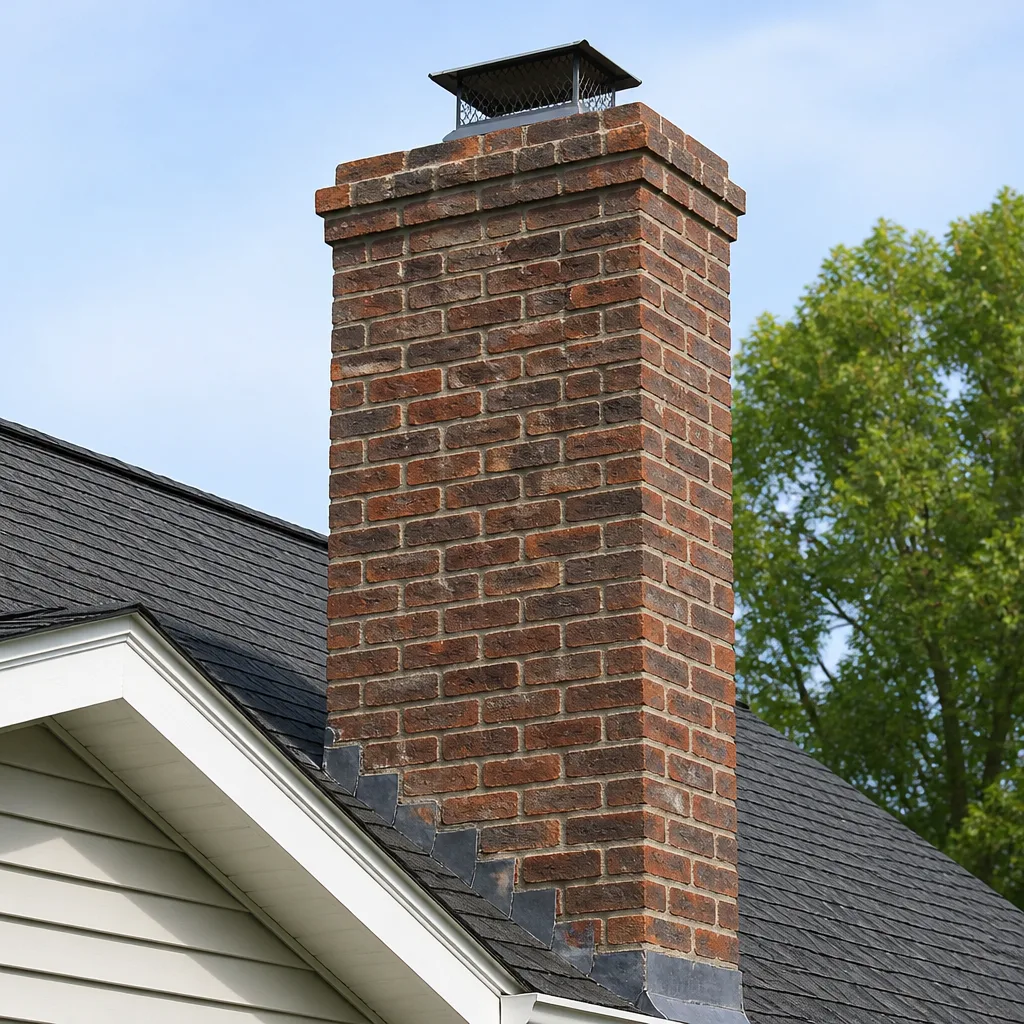 Masonry repair
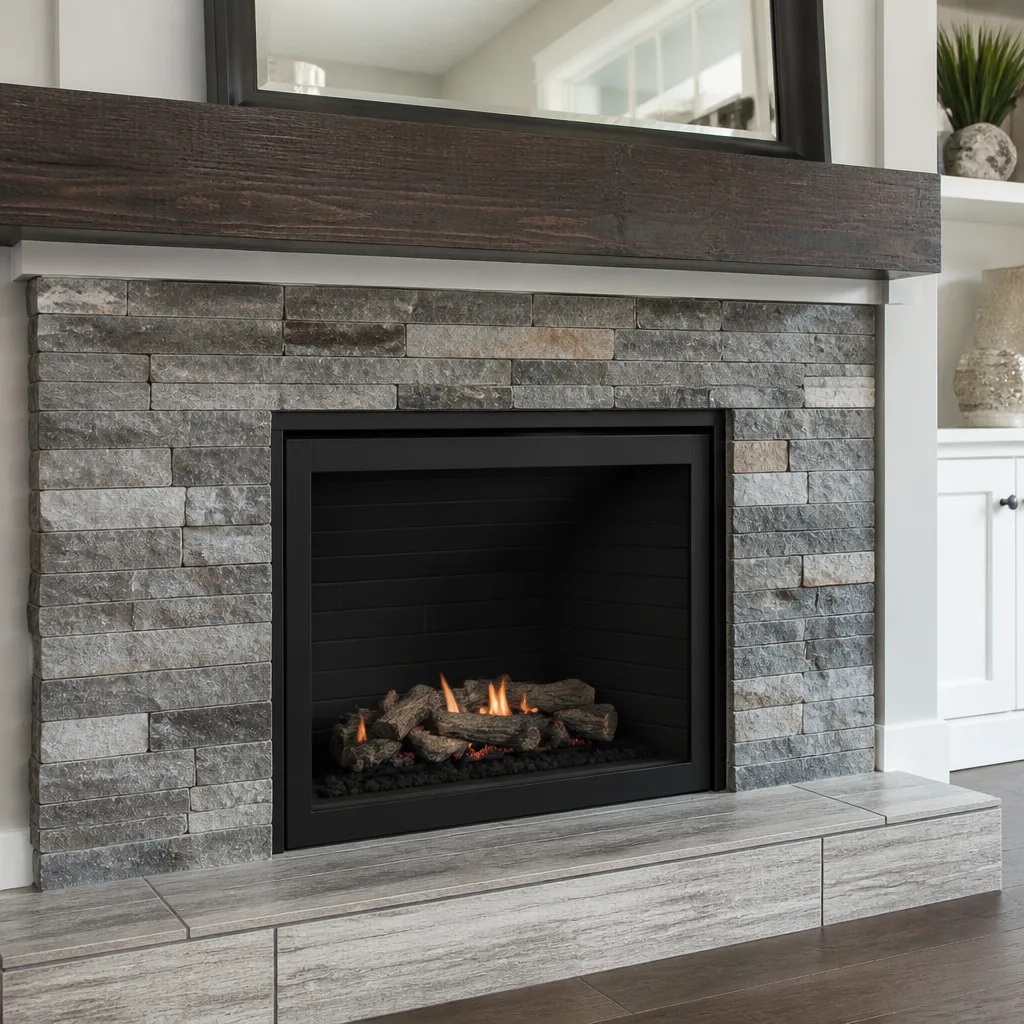 Gas fireplace service
Level 1 sweep and inspection to the NFPA 211 annual standard - flue, crown, cap, and flashing checked and photographed
Chimney sweep logs do not sweep chimneys. They loosen some creosote - which then falls where a brush and vacuum still have to collect it.
Chimney Sweep Maintenance Checklist for Salinas Homeowners
The standard advice says schedule your sweep before winter. In Salinas, where temperatures rarely force anyone inside until late December, that advice gets ignored. The first fire of the year goes up a flue that’s been sitting damp and unswept since the previous spring, and nobody notices until smoke backs into the room. Mild winters don’t mean less chimney work. They mean the work happens on a different calendar than the national one most checklists are built around. This guide walks through a month-by-month maintenance rhythm for Salinas, the checks you can do yourself from the firebox with a flashlight, the ones that need a technician, and how to keep a written record so you know what’s normal for your chimney and what isn’t.
Quick Answer
A useful chimney maintenance checklist for a Salinas homeowner is timed to the local burn season, not a generic fall deadline. That means a professional inspection and sweep in late fall before the first fire, physical checks from the firebox during the foggy summer months when the chimney sits idle, and a simple log of what you burn and what you find so a technician has a baseline. Sweeping frequency depends on how much wood you actually burn, not on the calendar alone.
Styles & brands we work with
- Sweep & inspection
- Caps & crowns
- Flue relining
- Masonry repair
- Gas fireplace service
Table of Contents
- Why the Salinas Fire Season Breaks the Standard Advice
- Month-by-Month Maintenance Checklist for Salinas
- What You Can Check Yourself From the Firebox
- What “Annual” Service Really Means for an Infrequent Burner
- Checklist Items That Need a Professional vs. What You Can Handle
- What to Do During the Foggy Summer Months
- How to Document Your Chimney’s Condition Year Over Year
- Creosote, Gas Inserts, and the Parts of the Checklist Nobody Explains
Why the Salinas Fire Season Breaks the Standard Advice
The national chimney calendar was written for places with hard freezes and long heating seasons. Salinas doesn’t have either. Winters here are mild enough that many households don’t light a fire until late December, and some years the fireplace goes unused entirely. The result is a predictable pattern: nobody schedules a sweep in October because it’s still comfortable outside, the chimney sits through the cool months without attention, and the first real fire of the season goes up a flue that last saw a brush the previous spring.
That gap matters because creosote doesn’t care whether you’re cold. The residue from last season’s fires stays on the flue walls through the summer, and the damp, still air of an idle chimney doesn’t improve it. When you finally light up, you’re burning into a flue that has had months to accumulate glaze and debris.
There’s a second local factor. Salinas sits in a valley with a long foggy stretch from roughly June through September. That fog keeps the chimney cool and the interior damp for months. A chimney that isn’t getting any airflow through it during that stretch is a chimney that’s holding moisture against the masonry. The fix isn’t complicated, but it does require you to think about the chimney in summer, which almost nobody does.
So the checklist below isn’t organized by “before winter.” It’s organized by what’s actually happening in Salinas month to month. If you want the short version of our position: the right time to prepare a Salinas chimney is the late fall, not because winter is coming, but because the first fire is.
Month-by-Month Maintenance Checklist for Salinas
Here’s the maintenance rhythm we recommend to homeowners in Salinas. Not every month requires action. The point is that the work lands in the right season instead of getting crammed into a single weekend.
- January through March (active burn season): Burn dry, seasoned wood. Keep an eye on how the fire behaves. A fire that’s slow to draw, smoke that rolls into the room when you open the door, or a strong smell in the room after the fire dies down are all signals worth noting. Add your fire count to your log.
- April (end of season): Once you stop lighting fires, do one last look into the firebox. Note the color and texture of any deposits on the flue or smoke chamber walls. This is your end-of-season snapshot.
- May (transition): Clean out ash from the firebox and the ash pit if you have one. Ash left sitting through the humid months holds moisture against the firebrick. Leave the damper closed but confirm it seals.
- June through September (foggy idle months): Open the damper periodically on dry days to let air move through the flue. Check the firebox for any new staining, crumbling mortar, or rust on the damper. This is the stretch when problems start quietly.
- October (pre-season inspection window): This is the month to book a professional inspection and sweep. It gives you time to address anything found before you actually need the fireplace.
- November (pre-first-fire verification): Confirm the damper opens and closes smoothly. Confirm the cap and screen are intact from the ground with binoculars. Test the smoke draw with a small piece of newspaper before you commit to a full fire.
- December (first fire): Light the first fire of the season with the flue warm and the damper fully open. Watch the draw. If smoke rolls into the room instead of going up, stop and call.
Notice that the heaviest work falls in October and November, not in the middle of winter. In Salinas, that’s the window that matters.
What You Can Check Yourself From the Firebox
You don’t need tools to do a meaningful inspection of your own chimney. Ten minutes with a flashlight and a pair of gloves gets you most of the way. Here’s what to look at and what to make of what you see.
- The damper. Open and close it slowly. Does it move smoothly, or does it bind, stick, or feel loose? Does it seat fully closed? A damper that doesn’t seal lets heated room air escape up the flue all year and lets cold, damp air back down in the summer.
- The smoke shelf. Look up past the damper. The smoke shelf is the flat ledge at the back of the firebox that redirects smoke up the flue. If it’s coated with soot and debris, the draw gets worse. Visible cracks in the shelf or the firebox walls need a professional look.
- The firebox walls. Firebrick should be uniform in color and intact. Cracks wider than a hairline, loose brick, or crumbling mortar between bricks all deserve a professional inspection. So does white, chalky staining, which can point to moisture or to a flue problem above.
- The flue itself (what you can see). Shine the flashlight up the flue. You should see relatively clean masonry or liner. A heavy, glossy, tar-like coating on the walls is glazed creosote, and it needs a professional.
- The cap and screen (from the ground). Use binoculars. The cap should be intact and the screen should be free of obvious debris. A missing or damaged cap lets rain, birds, and animals in.
- The smell test. A strong, sharp, smoky smell in the room on a warm day, with no fire burning, often means the damper isn’t sealing or there’s a draft problem pulling air down the flue.
If any of those checks turn up something that worries you, write it down and mention it when you book. Note it in your log either way. That’s how a baseline gets built.
What “Annual” Service Really Means for an Infrequent Burner
“Get your chimney swept annually” is the shortest version of the advice, and it’s also the least useful version for someone who lights a fire a dozen times a season. The real variable is how much you burn, what you burn, and how the chimney performs.
A practical way to think about it: a household that burns several cords of wood over a season needs a sweep on a much tighter cycle than a household that lights a fire on cold evenings and doesn’t much else. A gas insert that runs occasionally has different needs entirely than a wood stove that runs daily. A fireplace that hasn’t been used in two years isn’t automatically “clean” either. It’s been sitting, and sitting is its own kind of problem.
So “annual” is a floor, not a rule. What actually matters:
- Amount burned: Track it. Cords for wood, hours for gas, bags for pellets. Write it down.
- Wood quality: Seasoned, dry wood produces far less creosote than green or wet wood. If you’re burning unseasoned wood, your sweep cycle tightens.
- Performance: If the fire draws poorly or smokes back, that’s a signal regardless of how much you’ve burned.
- Time since last inspection: An annual inspection catches problems before they become expensive. The cleaning schedule can flex; the inspection shouldn’t.
An annual inspection is the piece we’d keep on the calendar no matter how lightly you burn. It’s the sweep frequency that should flex. If your burning habits have changed, say so. That’s the kind of thing a good technician uses to set the right cycle for your chimney rather than a default one. You can read more about what an inspection involves on our chimney sweep page.
Checklist Items That Need a Professional vs. What You Can Handle
One of the reasons checklists get abandoned is that they mix together tasks of wildly different difficulty and danger. Here’s the split, clearly.
| Task | Homeowner | Professional |
|---|---|---|
| Visual check of the firebox, damper, and smoke shelf | Yes | Also |
| Sweeping the flue | No | Yes |
| Removing glazed creosote | No | Yes |
| Checking the cap and screen from the ground | Yes | Also |
| Inspecting the crown, flashing, and masonry above the roofline | No | Yes |
| Evaluating the flue liner | No | Yes |
| Assessing a gas insert connection | No | Yes |
| Testing smoke draw with a small fire | Yes | Also |
| Cleaning ash from the firebox | Yes | No |
| Damper maintenance (lubrication, adjustment) | Sometimes | Often |
The line to remember: if it involves climbing onto the roof, opening a gas connection, or getting a brush into the flue, it’s not a homeowner job. A flue brush is not a broom, and a chimney is not a place to improvise.
That said, don’t undersell what you can do from the firebox. Your eyes on the inside of your own chimney, repeated year over year, catch more than you’d think. The key is having a record of what you saw last time.
The safety caveat deserves its own line: chimney flues and gas connections are among the parts of a house where a mistake can be genuinely dangerous, and gas work in particular is not a DIY task. If you smell gas, or if a gas insert has ever behaved oddly, shut it down and call a professional.
What to Do During the Foggy Summer Months
This is the part of Salinas chimney maintenance with no national equivalent. From roughly June through September, the fog comes in, and the chimney sits. Cool, damp air, no fire, no airflow. That’s a bad combination for masonry and for metal liners.
What we’d do in your position during that stretch:
- Open the damper on dry days. Let air move up the flue. Ten minutes is enough to make a difference to the interior moisture.
- Check the firebox periodically. Look for new white staining on the firebrick or rust on the damper. Rust on a damper in a chimney that hasn’t been used in months means moisture is getting in.
- Inspect the cap. Fog isn’t the problem; a missing cap means rain and animals, and the combination of both is a slow-motion mess. Check it from the ground with binoculars.
- Confirm the crown from the ground. The masonry crown at the top of the chimney sheds water. If it’s cracked, water gets into the masonry. You can often see a crack from the ground with binoculars. If you can, book an inspection before fall.
- Don’t cover the chimney opening. A cover traps moisture more effectively than it keeps it out.
The point of summer maintenance isn’t to do a full service. It’s to notice what’s happening while it’s still cheap to fix. A rust spot in July is an observation. A rusted-through damper in November is a repair.
When a problem does show up during the foggy stretch, our chimney repair service can look at it before the season starts. It’s easier to schedule a repair in July than in late December.
How to Document Your Chimney’s Condition Year Over Year
The single most useful habit a homeowner can build is keeping a log. Not because it makes your chimney quieter, but because it gives a technician a baseline. There’s a real difference between “the firebox has cracks” and “the firebox had a hairline crack in October and it’s now a quarter-inch wide.”
Here’s what to keep, and how:
- A single page in a notebook or a shared phone note. Fancy is not necessary. Consistent is.
- Date each entry. Even a rough one. “End of October” is better than nothing.
- Amount burned since last entry. Cords, hours, bags – whatever you use.
- What you saw and what you thought of it. “Damper feels stiff.” “Firebrick looks chalky in the back corner.” Plain language is fine.
- Photos. Take the same shot each season. From the firebox opening, up the flue, and of the cap from the ground. Same angle makes the comparison useful.
- Inspection reports. When a professional inspects your chimney, keep the written report. It’s your baseline for insurance, real estate, and future planning.
We document chimney condition in writing for exactly this reason: a homeowner should be able to look back and see what’s changed. That record protects you from being told something is new when it isn’t, and it protects a technician from guessing.
If your chimney has never been documented, the first inspection is the right time to start. That’s a useful anchor for any chimney in Salinas.
Creosote, Gas Inserts, and the Parts of the Checklist Nobody Explains
Most checklists skip the “why,” and the why is where the checklist actually comes from. Two things are worth understanding.
Creosote. When wood burns, the smoke carries unburned gases. As the smoke cools against the flue walls, those gases condense into creosote. It starts as a light, flaky deposit and can progress to a sticky, tar-like glaze depending on how hot the fire runs and how well the chimney draws. A slow, smoldering fire and unseasoned wood both push deposition along faster. Uniform, hot fires and seasoned wood slow it down. The reason sweep frequency depends on how you burn is exactly this.
Glazed creosote. Once creosote reaches the glazed stage, a standard sweep brush doesn’t remove it. That’s the point where a technician considers options beyond a standard sweep. HeatShield ceramic resurfacing is one of them, and it’s a repair capability most sweep-only companies don’t offer. The point isn’t to sell you a service. It’s that a chimney with glazed creosote is a chimney that needs more than a cleaning, and a checklist that stops at “sweep it” doesn’t cover that case.
Gas inserts. A gas insert isn’t “clean” by default. It vents differently than wood, and the connection matters. If you’ve never had a professional look at your gas insert, the annual inspection is the right moment. So is any change in behavior, any smell, or any odd sound. Gas work isn’t a homeowner task, and it’s not a general handyman task either.
The parts that matter. A sweep brush is a sweep brush. The parts that last are the cap, the liner, and the components between them. We install DuraFlex flexible liner systems for flues that rigid liners can’t handle, and we work with Famco and Copperfield components because they’re the kind of materials professional chimney contractors specify. The reason to care is simple: a liner that fails five years in costs more than one that was installed with the right materials in the first place.
Common Mistakes to Avoid
- Waiting until the first cold snap to book. In Salinas, the first cold snap is around the holidays. The pre-season window in October and November is when the work should happen, not December.
- Treating “annual” as a fixed rule. If you burn heavily, you need more frequent service. If you burn lightly, you need it less often. The calendar alone doesn’t decide.
- Burning unseasoned wood to save money. It produces more creosote, and the deposit builds faster in the mild, cool fire conditions Salinas often gets. The savings get eaten by the sweep cycle.
- Assuming a gas insert never needs inspection. It needs less sweeping than wood, but it’s not a maintenance-free appliance. The annual inspection still applies.
- Ignoring a smell in the room on a warm day. That’s usually a damper seal or draft issue, and it’s often cheap to fix when caught early.
- Skipping the summer checks. The foggy stretch from June to September is when quiet problems develop. A rust spot or chalky staining found in July is easier to handle than the same problem found in December.
- Letting a chimney that hasn’t been used in years go straight back into service. A dormant chimney has had time to accumulate problems. A first-fire inspection is the right move, not a straight-to-fire.
- Not keeping a written record. Without a log, every inspection is a first inspection. With one, you can tell what’s actually changed.
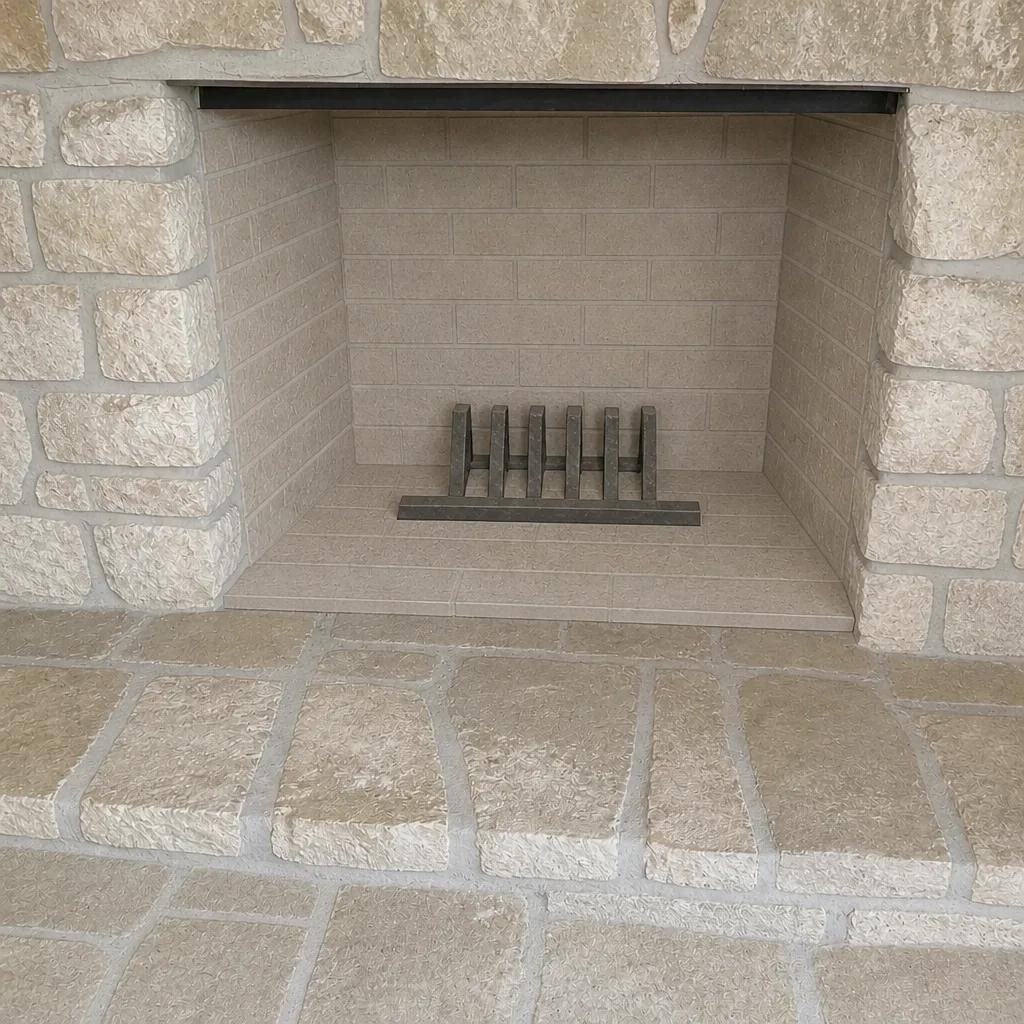
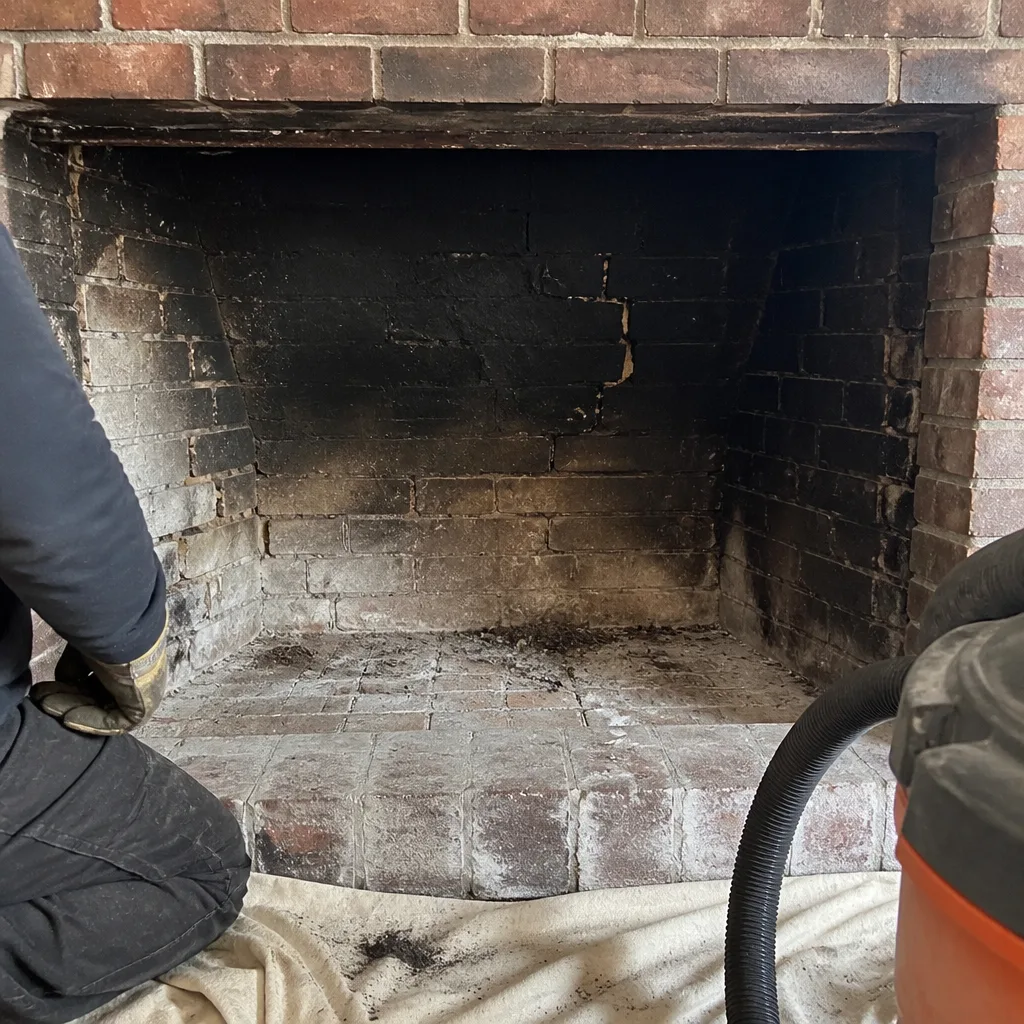
See the difference
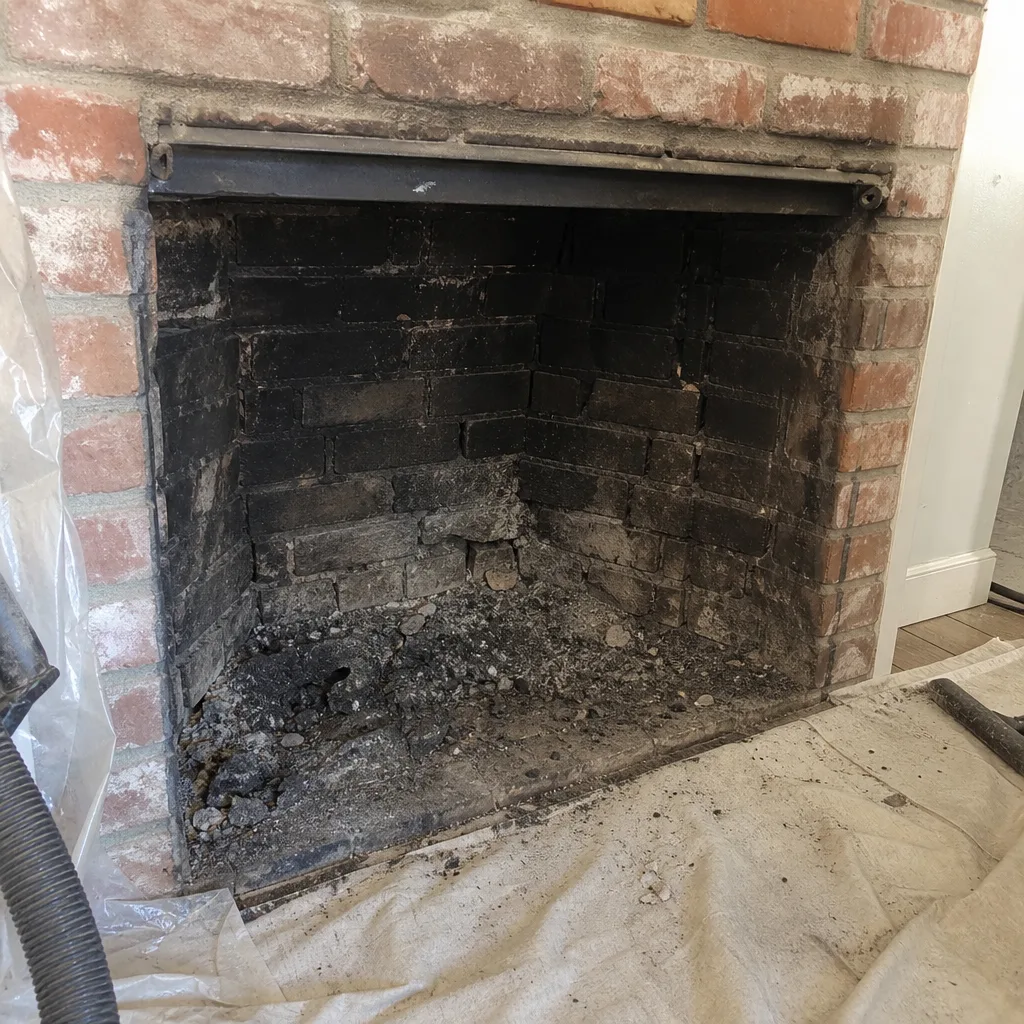 Before
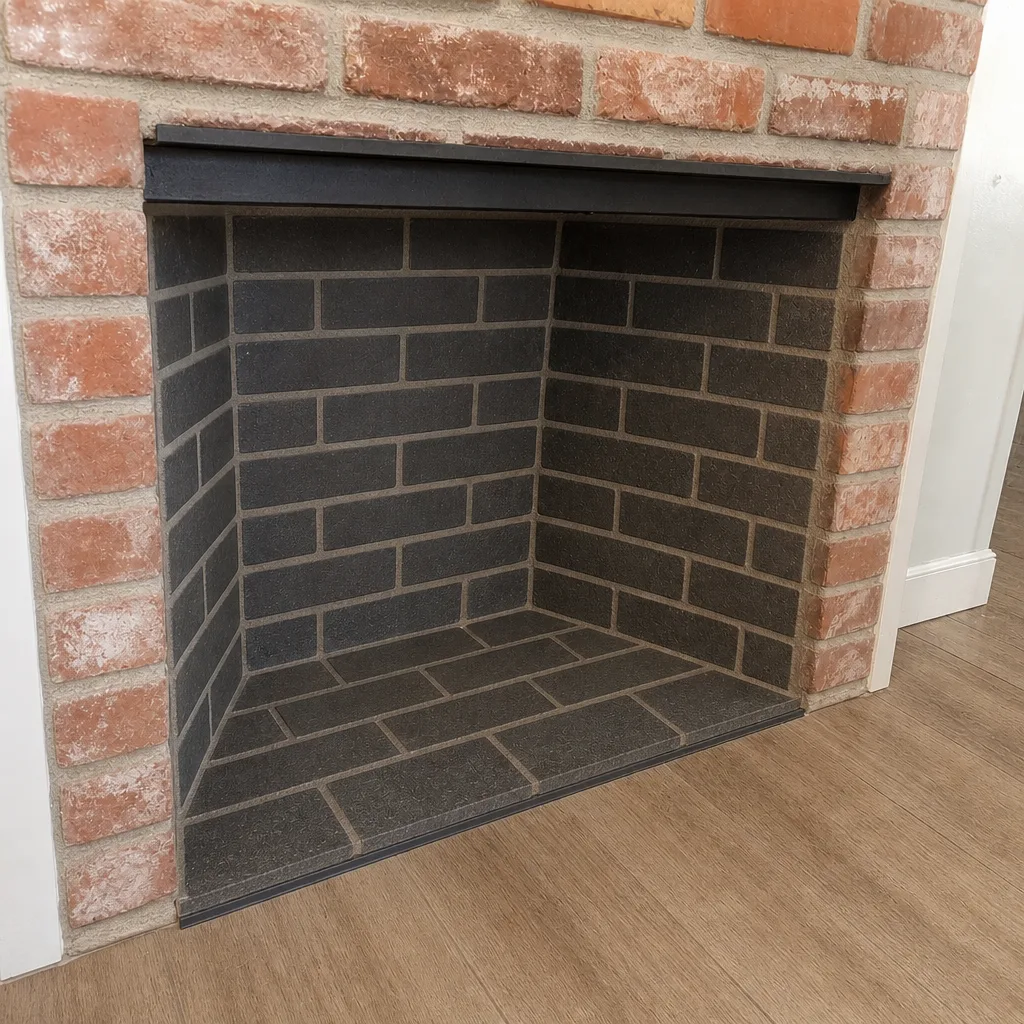 After
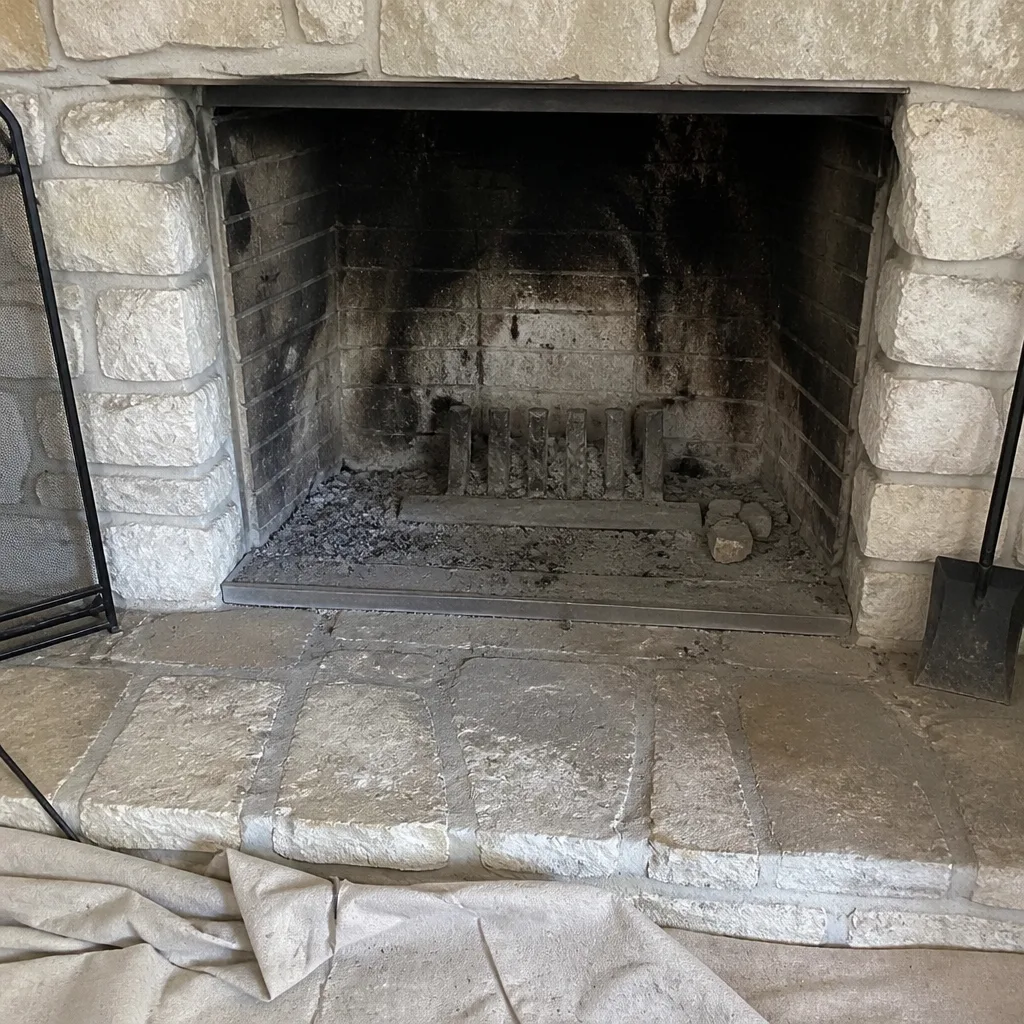 Before
 After
 Before
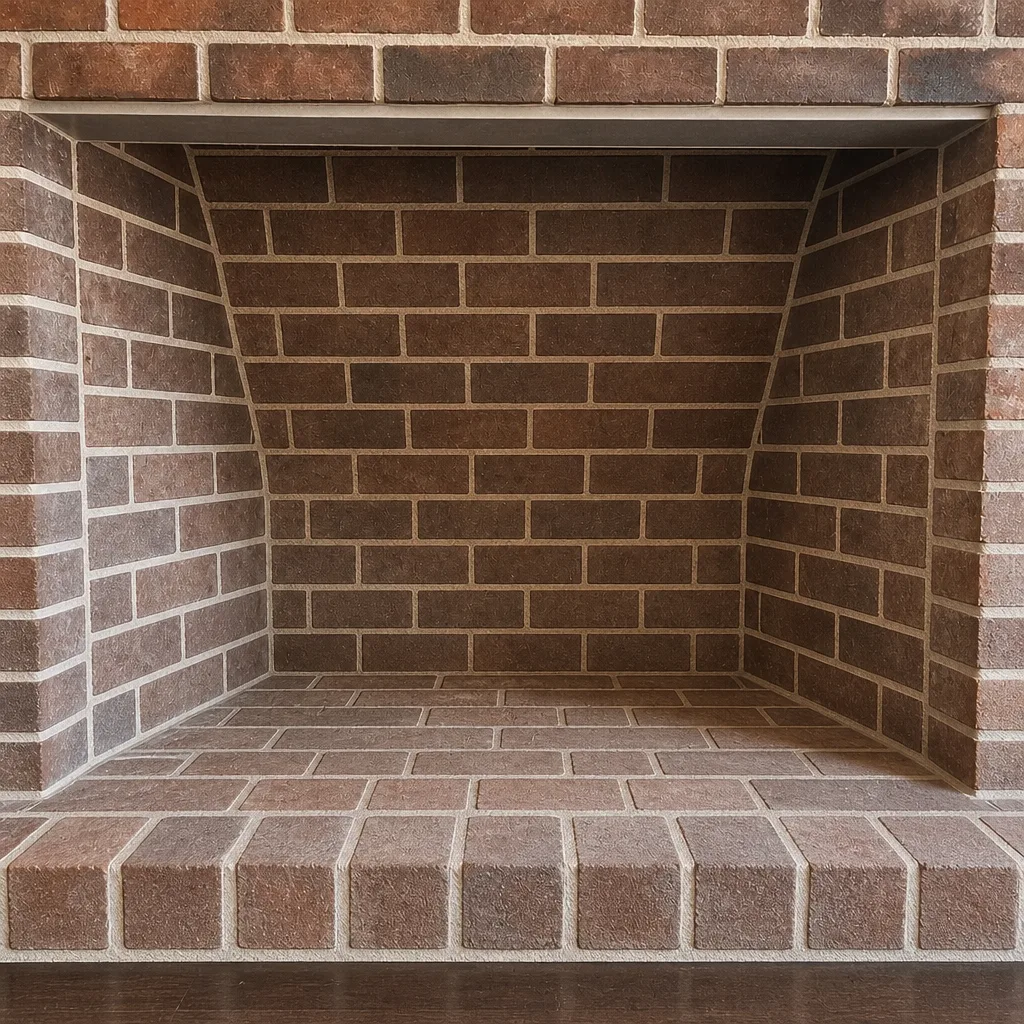 After
When to Call a Professional
Some checklist items are worth doing yourself. These are the ones we’d never recommend a homeowner take on. Call a professional if you find glazed, tar-like creosote on the flue walls, if the firebox has cracks wider than a hairline or loose firebrick, if the damper won’t fully close, if you smell gas or a strong smoke odor in the room when no fire is burning, if smoke rolls back into the room during a fire, if the cap is missing or damaged, if a gas insert has ever behaved oddly, or if the chimney hasn’t been inspected in the last year. Also call before lighting the first fire of the season in a chimney that sat unused through the summer. Salinas Chimney Sweep offers free estimates in Salinas. Call (844) 834-5211. We answer 24/7. Fast dispatch from 7am to 7pm, Sunday through Friday. Our technicians have up to 14 years of experience, and we handle the sweep, the inspection, and the repair under one company.
Frequently Asked Questions
Most Salinas homes should have the chimney inspected once a year and swept based on how much you actually burn. A household burning several cords of wood needs a sweep more often than one lighting a fire a dozen times a season, and a lightly used gas insert has different needs than a wood stove. Track what you burn and match the sweep cycle to it, but keep the annual inspection on the calendar regardless. Call (844) 834-5211 for a free estimate; the inspection findings set the right schedule for your chimney.
Skipping maintenance allows creosote to build up, which reduces draft and increases the risk of a chimney fire, and it allows moisture to work into the masonry over time. In Salinas, the mild winters make skipping easy because nothing forces the issue. The problems compound quietly. The annual inspection is the piece that catches them. Call (844) 834-5211 to book an inspection; estimates are free.
You can do the visual checks from the firebox, but sweeping the flue and evaluating the liner are not homeowner jobs. A flue brush is a specific tool used with specific technique, and the roof and the flue are both places where a mistake costs more than the sweep would have. Call (844) 834-5211 for a professional sweep; estimates are free.
Only if the existing liner is actually compromised, and that determination should come from a visible inspection, not a guess. A liner that’s cracked, deteriorated, or poorly sized for the appliance above it needs attention. A liner that’s intact doesn’t. In some cases HeatShield ceramic resurfacing can restore a liner without a full reline, which is a capability most sweep-only companies don’t offer. Call (844) 834-5211 to have your liner evaluated; estimates are free.
Yes. An annual inspection catches problems that build up between fires, especially in a Salinas chimney that sits through the foggy summer months. The inspection is cheap and the alternative is finding out the hard way. Call (844) 834-5211 to schedule; estimates are free.
October is the best window for most Salinas homes, with November as the backup. That’s early enough to catch and fix problems before the first fire of the season, and it’s late enough that the summer fog has done whatever it’s going to do. Booking in October also avoids the December rush. Call (844) 834-5211 to schedule; estimates are free.
The Bottom Line
The right Salinas chimney maintenance checklist is built around the local fire season, not the national one. That means a professional inspection and sweep in October or November, your own visual checks from the firebox year-round, and real attention to the chimney during the foggy summer months when nothing forces you to think about it. Sweeping frequency depends on how much you actually burn, not on the calendar alone. Keep a written log so a technician has a baseline, and know which tasks are yours and which ones aren’t. The chimney is one of the few parts of a house that rewards a small, well-timed amount of attention every year. If you take one thing from this guide, take that.
If you’re ready to schedule, call (844) 834-5211 for a free estimate. Salinas Chimney Sweep handles the sweep, the inspection, and the repair under one company. We use the same professional-grade materials chimney engineers specify, including DuraFlex, HeatShield, Gelco, Olympia Chimney, Famco, and Copperfield. No hardware-store substitutes, and no second contractor to finish the job. We answer 24/7. Fast dispatch from 7am to 7pm, Sunday through Friday. Salinas Chimney Sweep works with homeowners across Salinas to keep chimneys ready for the first fire of the season.
Written by the team at Salinas Chimney Sweep.