
Last updated November 16, 2026
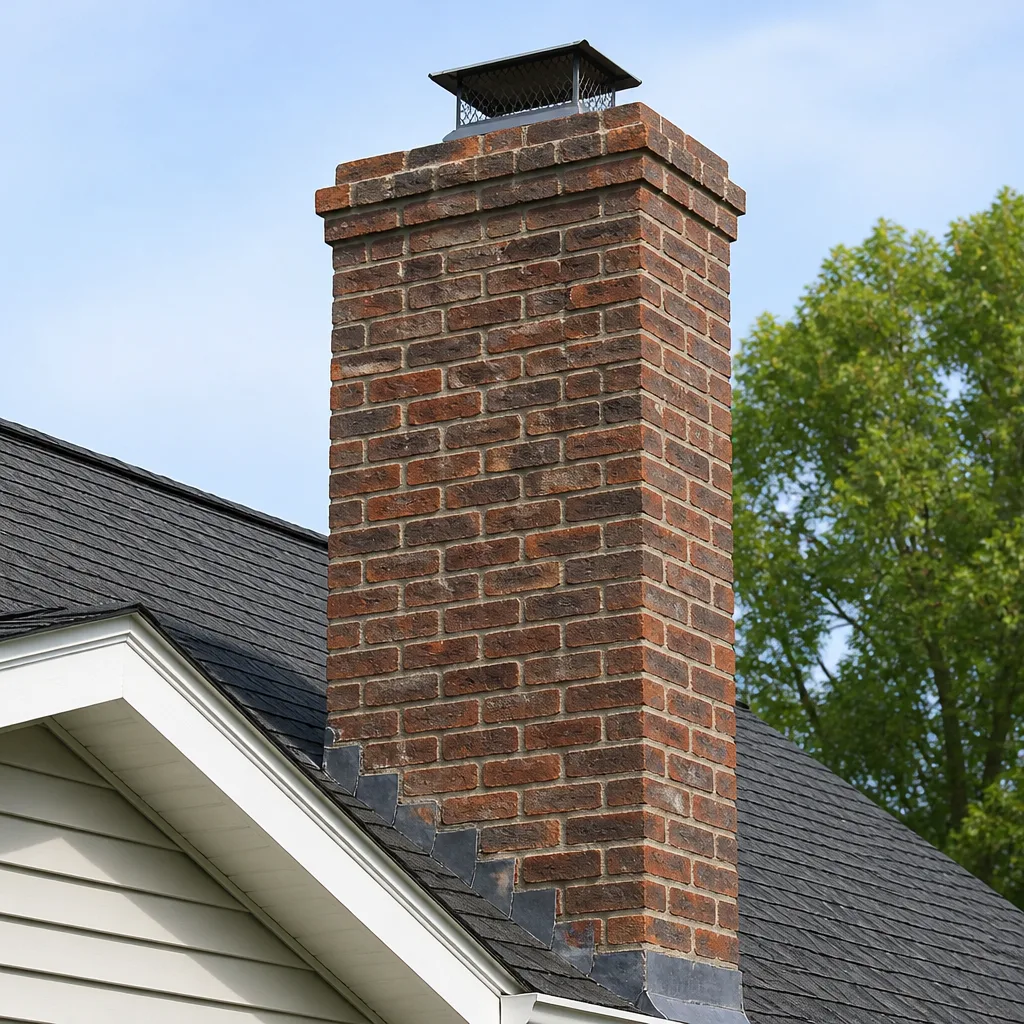
 Sweep & inspection
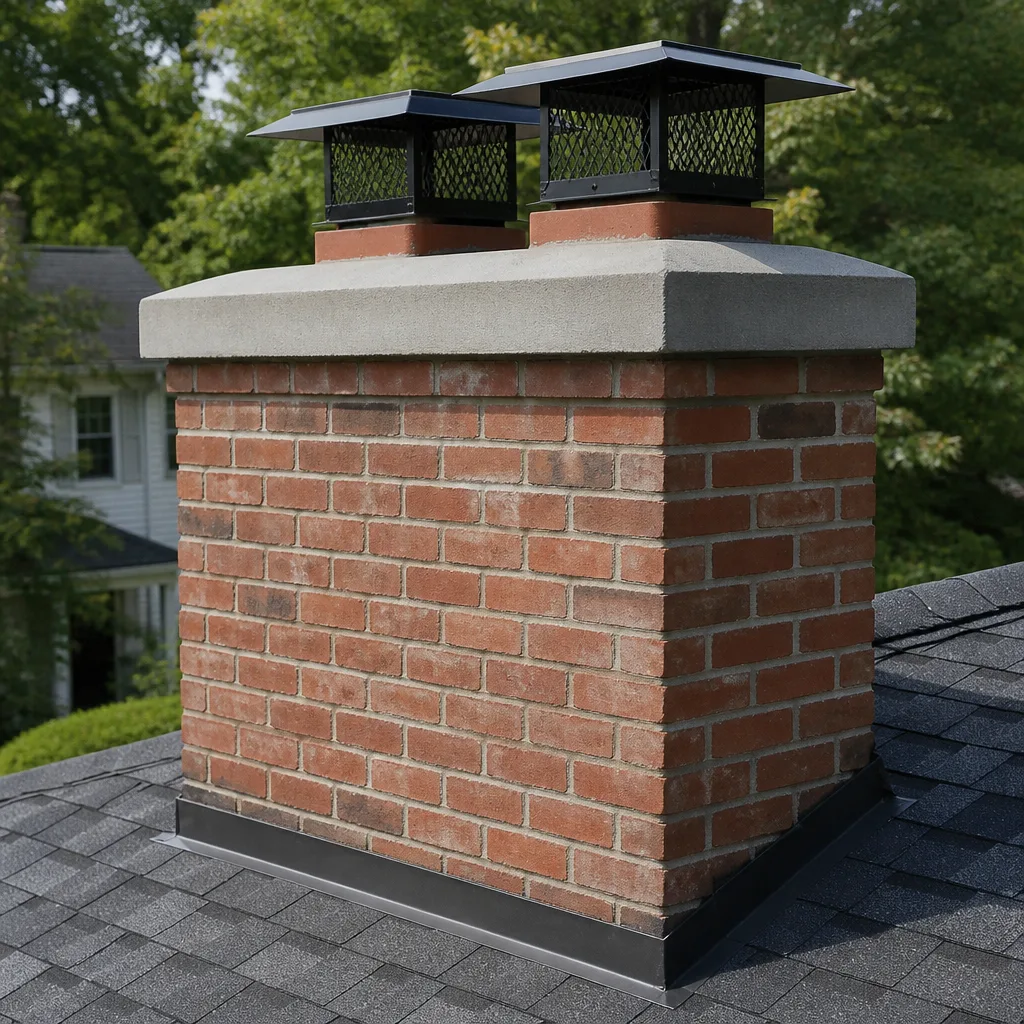 Caps & crowns
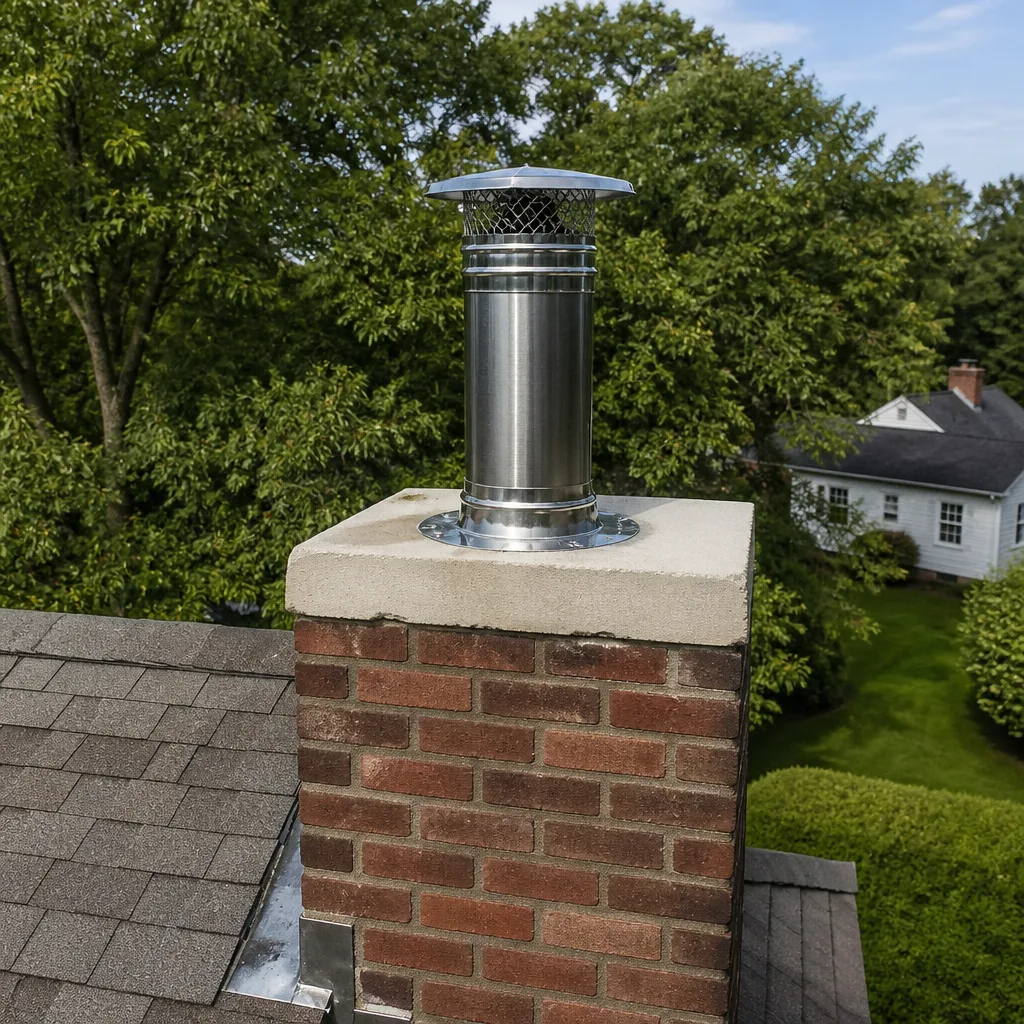 Flue relining
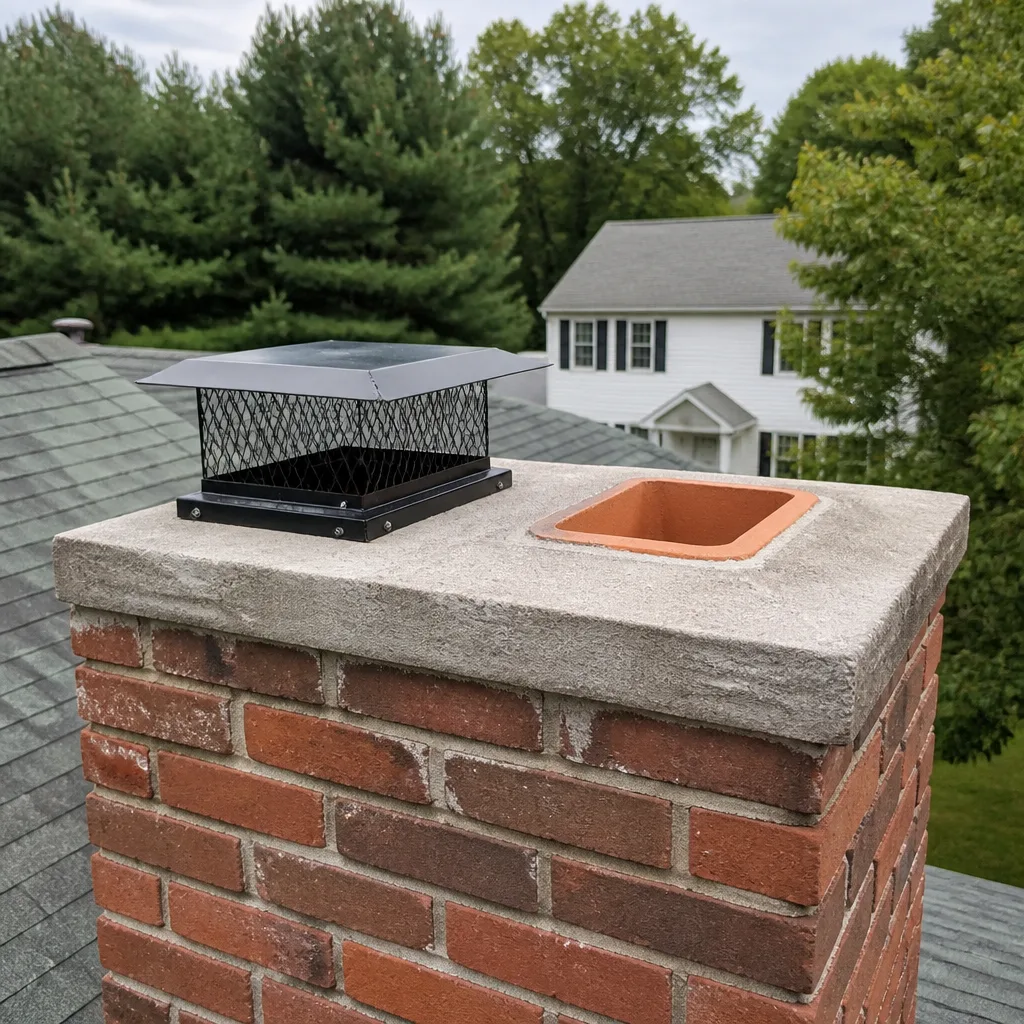
 Masonry repair
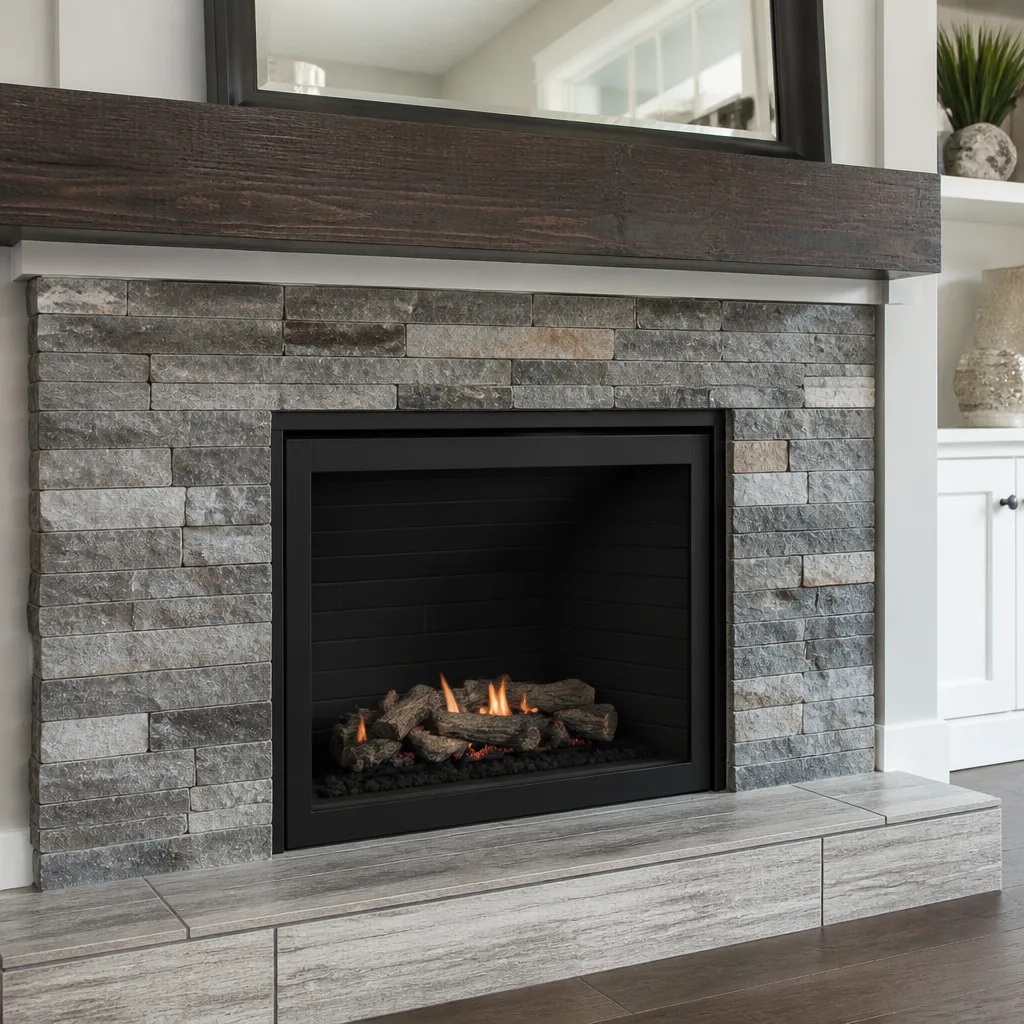 Gas fireplace service
Level 1 sweep and inspection to the NFPA 211 annual standard - flue, crown, cap, and flashing checked and photographed
Chimney sweep logs do not sweep chimneys. They loosen some creosote - which then falls where a brush and vacuum still have to collect it.
Chimney Cleaning Cost Breakdown: The Salinas Homeowner’s Reference for 2026
Most Salinas homeowners compare chimney sweep quotes by the headline number, and that’s the first mistake. A $99 sweep and a $299 sweep can describe two very different afternoons of work, and the quote rarely spells out which one you’re buying. The gap usually lives in four places: whether an inspection is bundled or billed separately, what level that inspection reaches, what the technician does when the camera finds something, and whether the person standing on your roof carries the materials to fix it on the spot or has to schedule a return trip. This guide breaks down what each chimney service actually costs in the Salinas market for 2026, which add-ons are legitimate, which are padding, and how to plan chimney spending across five years instead of reacting to one invoice at a time.
Quick Answer
A standard chimney sweep in Salinas typically runs $150 to $275, a Level 1 inspection $75 to $150, a Level 2 camera inspection $175 to $350, a chimney cap replacement $175 to $425, and liner repair $350 to $900 depending on the method. The total you pay is the base sweep plus whatever the inspection justifies, which is why two quotes for “a cleaning” can differ by a few hundred dollars and both still be honest. The written estimate sets the final price, and you should ask for it before any work starts.
Styles & brands we work with
- Sweep & inspection
- Caps & crowns
- Flue relining
- Masonry repair
- Gas fireplace service
Table of Contents
- What actually drives chimney cleaning cost in Salinas?
- 2026 price breakdown by service type
- Why two contractors quote different prices for the same chimney
- Legitimate add-ons versus upsells
- Do sweep-and-inspection combo deals actually save you money?
- How to budget chimney maintenance over five years
- Salinas-specific factors that affect your chimney
- Questions to ask before you book
What actually drives chimney cleaning cost in Salinas?
Four variables explain almost every price difference you’ll see between Salinas chimney quotes: the type of appliance you burn in, how much creosote has built up, how accessible the flue is, and whether the technician is set up to repair what they find. Everything else is a smaller factor layered on top.
The appliance matters first. A gas fireplace insert produces very little solid residue and sweeps faster than a wood-burning fireplace. A wood stove or an older open hearth that’s been burned hard for several seasons can carry thick, glazed creosote that takes considerably longer to remove and may need chemical treatment before the flue is clean. That’s not a sales tactic; it’s the difference between sweeping a lightly soiled flue and breaking down a stubborn deposit stage.
Access is the second lever. A straight flue with a clean roofline is quick work. A chimney with an offset, a tight crown, or a flue that’s been capped poorly takes more setup, more ladder time, and sometimes a second technician. In our experience, offsets and odd angles are where the labor hours quietly accumulate, and a quote that didn’t account for them gets revised once the technician is on the roof.
The third lever is what happens after the sweep. If the technician carries professional-grade components and can install a cap, repair a crown, or resurface a liner the same visit, you avoid a return trip and a second minimum charge. If they can only clean and refer, you’ll pay someone else to come back. That single difference often explains a $100 gap between two Salinas quotes that looked identical on paper.
Here’s the honest summary: the base sweep is a commodity, but the inspection that follows and the repair capability behind it are not. Price the whole visit, not just the cleaning line.
2026 price breakdown by service type
These are typical estimated ranges for the Salinas market in 2026. They are not national averages, and they are not exact quotes. Every job gets its own written estimate, and the estimate is what you pay.
Standard chimney sweep: $150 to $275. This covers removing creosote and debris from the flue and firebox for a wood-burning fireplace or stove.
Level 1 inspection: $75 to $150. A visual check of readily accessible portions of the chimney, firebox, and connected appliance, usually included with a routine sweep.
Level 2 inspection: $175 to $350. This adds a camera run through the flue and inspection of accessible attics, crawl spaces, and other areas. It’s the level most real estate transactions and post-chimney-fire evaluations call for.
Chimney cap replacement: $175 to $425. The range reflects cap style, material, and whether the existing cap needs to be cut free and the crown repaired at the mounting point.
Liner repair: $350 to $900. This covers localized repair and resurfacing work. A full reline is a larger project with its own estimate, and it only gets recommended when the camera shows the existing flue can’t be restored.
Where the numbers land inside each range depends on the four drivers above. A routine gas insert sweep in a well-maintained Salinas home sits near the bottom. A heavily used wood stove with glazed creosote and a rusted cap sits near the top.
Why two contractors quote different prices for the same chimney
Markup is rarely the whole story. When one Salinas contractor quotes $150 and another quotes $280 for a sweep, the difference usually traces to how they’re set up to work. Here’s what to compare before you assume the higher quote is overpriced or the lower one is a bargain.
Certification and training. A technician who has completed recognized chimney sweeping credentials knows how to identify creosote stages, recognize liner damage through a camera, and distinguish a repair that can wait from one that can’t. That training costs the contractor money, and it shows up in the price. Ask what credentials the technician carries.
Equipment quality. Rotary sweeping tools, high-quality vacuum systems with HEPA filtration, and digital inspection cameras are not cheap. A crew running proper equipment keeps dust out of your living room and sees damage that a flashlight can’t reveal. A quick brush-and-go setup is faster and cheaper and reveals far less.
Insurance coverage. A contractor carrying proper liability coverage for roof work and interior protection pays more in premiums and passes some of that on. It also means that if something goes wrong on your roof or in your flue, you’re not exposed. This is one of the few places where a higher quote is straightforwardly better.
Materials carried on the visit. Whether a contractor stocks professional-grade chimney components from brands like Copperfield or Olympia Chimney, and carries liner materials such as DuraFlex, changes what can be finished in one visit. A sweep-only operation refers the repair out. That costs you time and a second trip.
The practical takeaway: ask each contractor what’s included, what credentials the technician holds, and what they can repair on the same visit. Compare the answers, not just the numbers. When you’re ready to book, one call to arrange a chimney sweep gets you a written scope before anyone climbs a ladder.
Legitimate add-ons versus upsells
The hardest part of a chimney visit is hearing the technician recommend additional work and having no independent way to judge whether it’s necessary. The good news is there’s a simple test: legitimate recommendations come with evidence you can look at yourself. Upsells come as a verbal conclusion.
Work through these questions when a technician recommends extra work:
- Did they show you the camera footage? A liner crack, a failed joint, or a broken flue tile should be visible on the inspection camera and shown to you at the time. A recommendation without footage is a guess.
- Is the finding tied to a specific safety or function issue? “Your crown is cracked and water is getting into the masonry” is a concrete, verifiable problem. “Your chimney would benefit from a full treatment” is not.
- Can it wait? Ask directly. Many findings are maintenance items that can be scheduled for next season without risk. An honest technician will tell you which ones are urgent and which ones are not.
- What happens if you do nothing? A good answer names the consequence, like water damage spreading through masonry or a cap that’s already loose coming off in wind. A vague answer is a red flag.
- Is it documented in writing? You should leave with a written record of what was found. That record matters for insurance, for a future sale, and for planning the next visit.
Two add-ons in Salinas are frequently legitimate. A cap replacement is worth doing when the existing cap is loose, rusted through, or missing; an uncapped flue lets water and animals in. A crown repair is worth doing when the masonry at the top is cracked and water is migrating into the chimney structure. Both come with visible evidence and both protect the chimney’s life. Upgrades you should question are ones without footage, without a specific consequence, or pitched as a package before the sweep is even done.
The standard we work to is simple: here’s what we found, here’s what it means, here’s your options. Nothing is recommended without camera evidence you can see for yourself, and we’ll say plainly when a repair can safely wait.
Do sweep-and-inspection combo deals actually save you money?
Sometimes yes, sometimes the deal is where the thoroughness goes missing. A bundled sweep-and-inspection price is genuinely convenient when both parts get full attention. The risk is a “free inspection” that’s really just a glance from the roof, which tells you almost nothing about the inside of the flue.
Here’s what a properly bundled visit includes. The sweep removes creosote and debris from the flue and firebox. The inspection is a distinct step with its own scope: a visual walkthrough of accessible areas, a check of the firebox and damper, and, at Level 2, a camera run through the flue. You should be able to tell which level of inspection was performed and see the findings documented in writing.
Watch for these signals that a combo is thin:
- No camera and no mention of inspection levels
- No written report at the end of the visit
- Inspection described as “included” but never actually discussed
- Add-on work recommended before any inspection findings are shown to you
A legitimate combo saves you the second-trip charge and gives you one clear record. Sold well, that’s real value. Sold thin, it hides the fact that the inspector never really looked. Ask up front which inspection level is included and whether the findings will be written down. A contractor with a real process will answer both without hesitation.
How to budget chimney maintenance over five years
Most Salinas homeowners plan chimney work around single invoices, then get surprised by a larger repair. Thinking in five-year windows smooths that out. It also reframes chimney spending as routine maintenance rather than sudden expense, which matches how the work actually behaves.
Here’s the framework we use when a homeowner asks how to plan. The exact numbers shift with how much you burn, but the rhythm is consistent:
- Annual sweep and Level 1 inspection. For an actively used fireplace or wood stove, plan on a sweep every year with a visual inspection included. Budget the standard sweep range plus a Level 1 check, and treat it as a recurring line item.
- Year three, add a Level 2 inspection. A camera run through the flue catches liner issues before they become emergency repairs. Budget for it once in the five-year cycle, or whenever you notice a change in how the chimney drafts.
- Watch for caps and crowns. These are the parts that take the weather. A cap replacement or crown repair is the most common mid-cycle expense, so set aside a small reserve.
- Plan for one liner decision. Sometime in the five-year window, many older Salinas chimneys come up for a liner assessment. It could be localized repair, it could be resurfacing with a product like HeatShield, and it could be a full reline. Knowing this is coming means it doesn’t feel like a crisis.
- Keep every report. Each visit produces a written record. Stacked together, they show the trend in your chimney’s condition, which is far more useful than a single snapshot.
Used well, this rhythm spreads the cost of chimney care across predictable increments and lets you decide on a repair rather than getting forced into it. If you’re starting fresh, book an inspection first and build the plan from what it finds.
Salinas-specific factors that affect your chimney
Salinas sits in a valley with mild winters and a long dry season. That shapes how chimneys age here in ways that a generic cost guide won’t mention.
Winters are mild, so many homes burn intermittently rather than continuously. Intermittent burning can produce different creosote patterns than steady, hot fires; short, cool burns tend to leave more residue. That’s one reason a Salinas chimney can build up creosote faster per cord of wood than a homeowner might expect.
The long dry season matters too. Masonry that spends months dry then hits its first rains of the season can show wear at the crown and at cap mountings. A cracked crown that lets water into the chimney structure is one of the most common findings we see in Salinas, and it’s usually visible from the roof. Catching it early is far cheaper than repairing water-damaged masonry.
Housing stock spreads the range too. Older homes in Salinas neighborhoods often have original masonry chimneys with flue liners that have aged, while newer homes more often have factory-built systems with their own inspection needs. An older masonry chimney is more likely to need liner attention; a factory-built system is more likely to need a manufacturer-spec inspection. Both are routine, and both are cheaper to plan than to react to.
If you’re in Salinas and unsure which category your chimney falls into, that’s what the first inspection answers. We serve homes across the city and can walk you through what we find. When you want a broader look at what’s involved in caring for a chimney here, start with our Salinas service overview.
Questions to ask before you book
A short list of questions separates a professional chimney visit from a fast sweep. Ask these before you commit, and ask them of every contractor you consider.
- Which inspection level is included, and is it in writing? Level 1 for routine, Level 2 for cameras and real estate. The answer tells you how thorough the visit will be.
- What credentials does the technician hold? Recognized sweeping credentials mean the technician has been trained to identify what a camera shows.
- Are you insured? Confirm liability coverage for roof work. It protects you if something goes wrong.
- What can you repair on the same visit? If the answer is “nothing,” you’ll be paying a second contractor to come back.
- Will I get a written report? You should leave with documentation of what was found, useful for insurance and future planning.
- What materials do you install? Named professional-grade brands like HeatShield, DuraFlex, or Gelco tell you the components are built for durability, not cost-cutting.
These questions also reveal how a contractor thinks. Someone who answers them clearly and without hesitation is usually set up to do the work properly. Someone who deflects is telling you something too.
Common Mistakes to Avoid
- Choosing a quote on price alone. The cheapest quote for a sweep may not include inspection, may not carry repair materials, and may not be from an insured contractor. Two sentences of comparison prevent a much larger bill later.
- Skipping the inspection. A sweep without an inspection cleans the flue but tells you nothing about liner condition. In Salinas, where creosote and dry-season masonry wear both show up, that missing information costs money in the long run.
- Accepting a repair recommendation without evidence. If you can’t see the camera footage yourself, you can’t judge whether the recommended work is necessary. Ask to see the findings.
- Waiting until the chimney fails. A chimney that suddenly drafts poorly or smells strongly may already have a problem. Booking an inspection early is cheaper than booking an emergency repair.
- Ignoring the cap and crown. These are the most weather-exposed parts of a Salinas chimney and the most common source of water damage. Small repairs done early prevent larger masonry work later.
- Burning against a dirty flue. Creosote buildup is the fuel for chimney fires. An annual sweep keeps deposits from reaching the stage where a fire becomes a real risk, which is why it’s the foundation of every maintenance plan.
- Treating the written report as optional. The record of your chimney’s condition is what makes future planning and future quotes accurate. Stack and keep them.
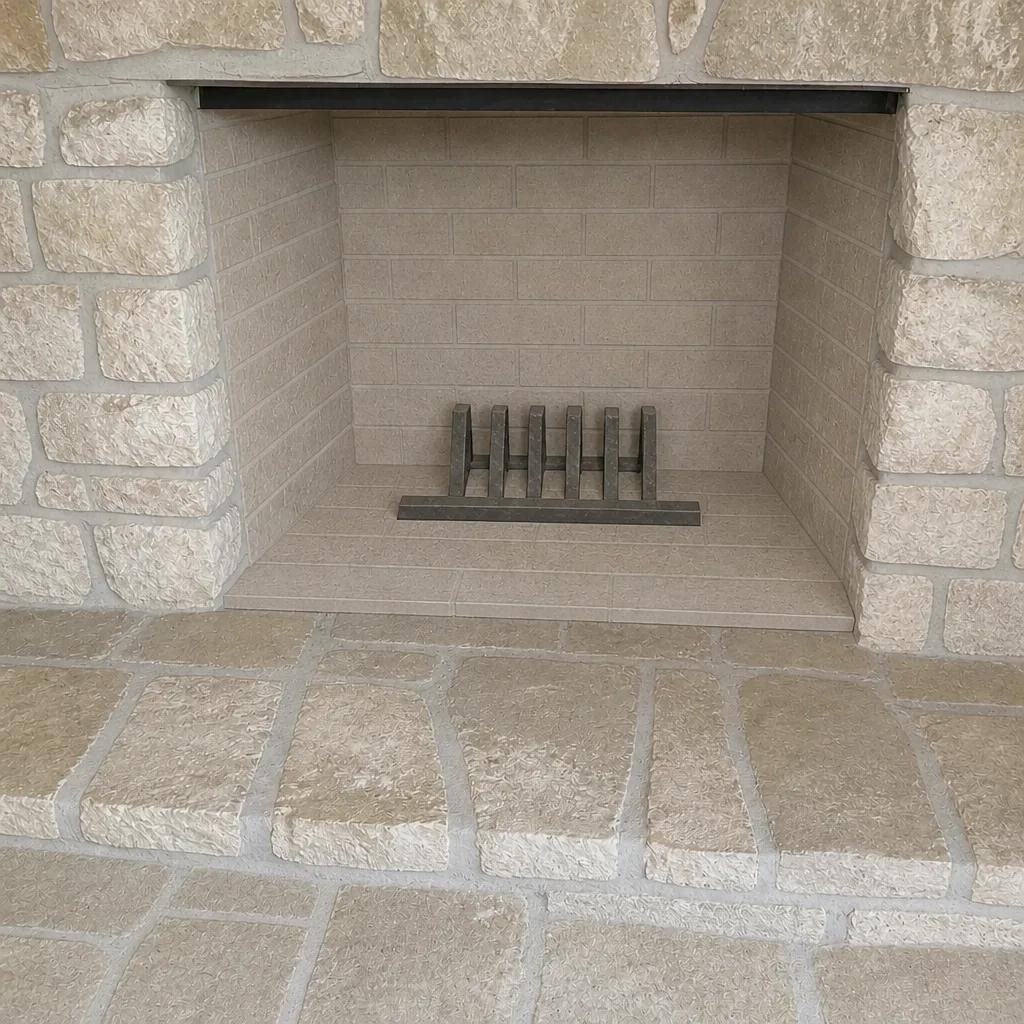
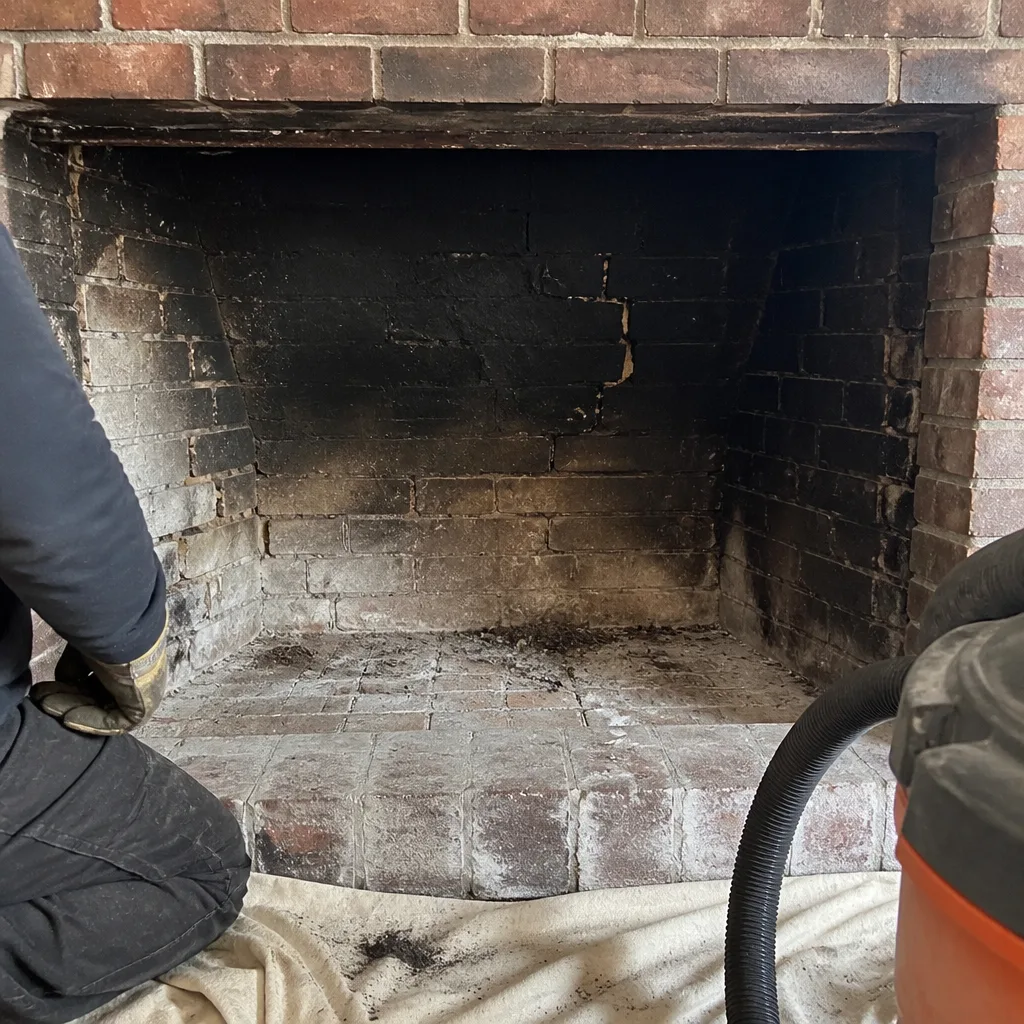
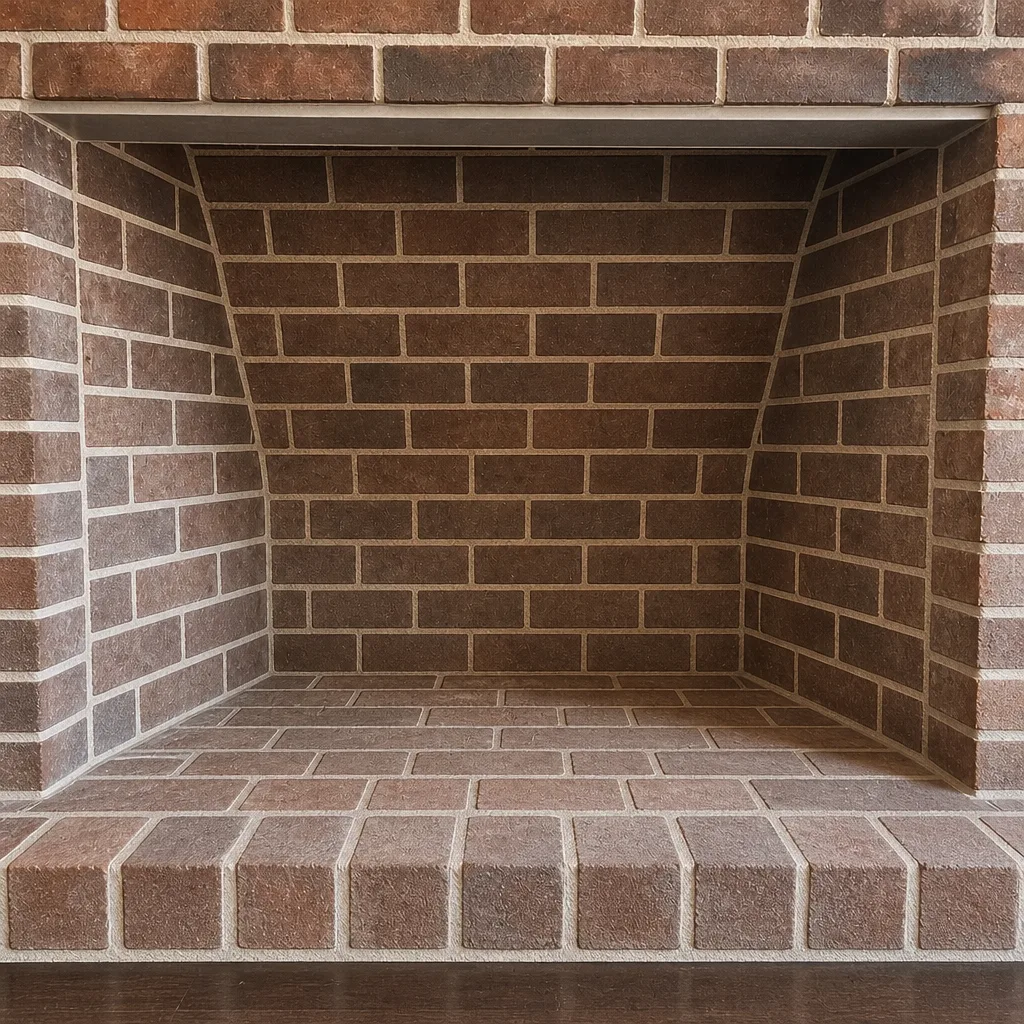
See the difference
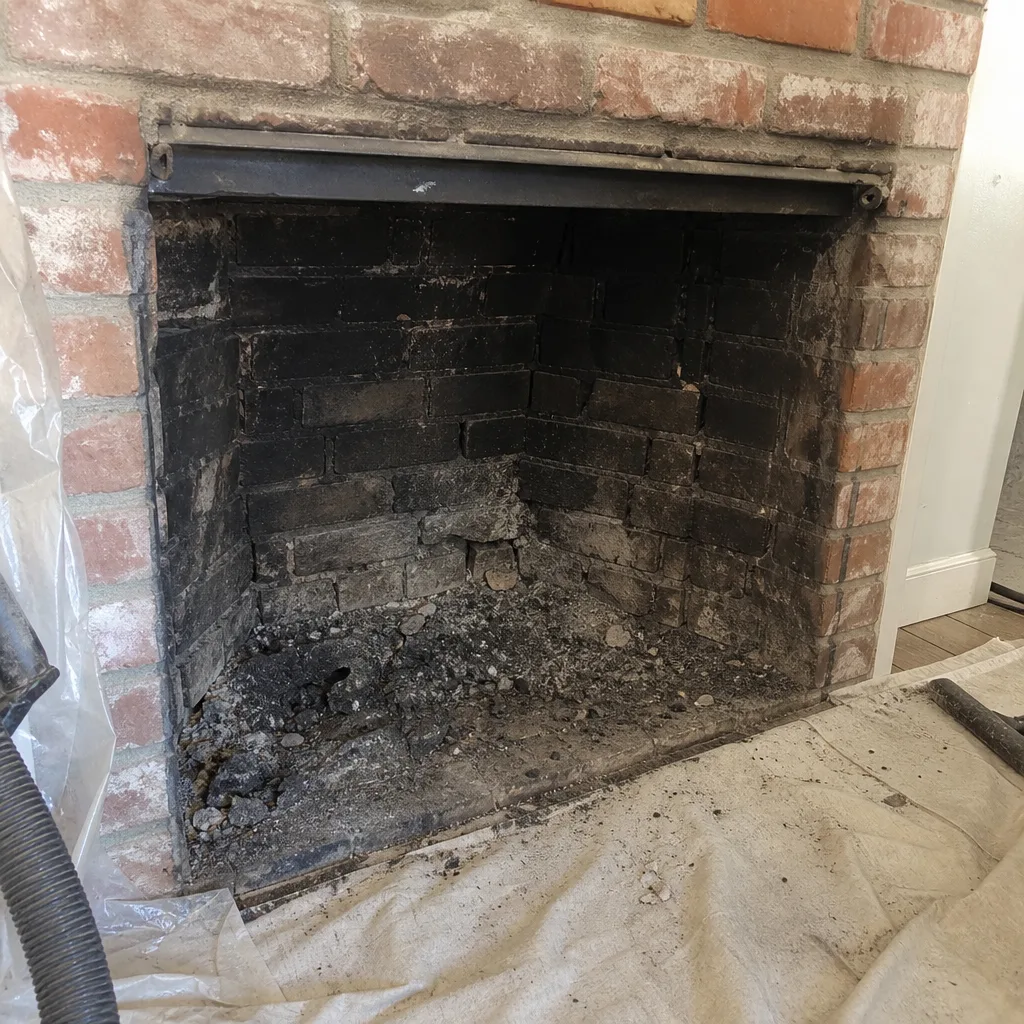 Before
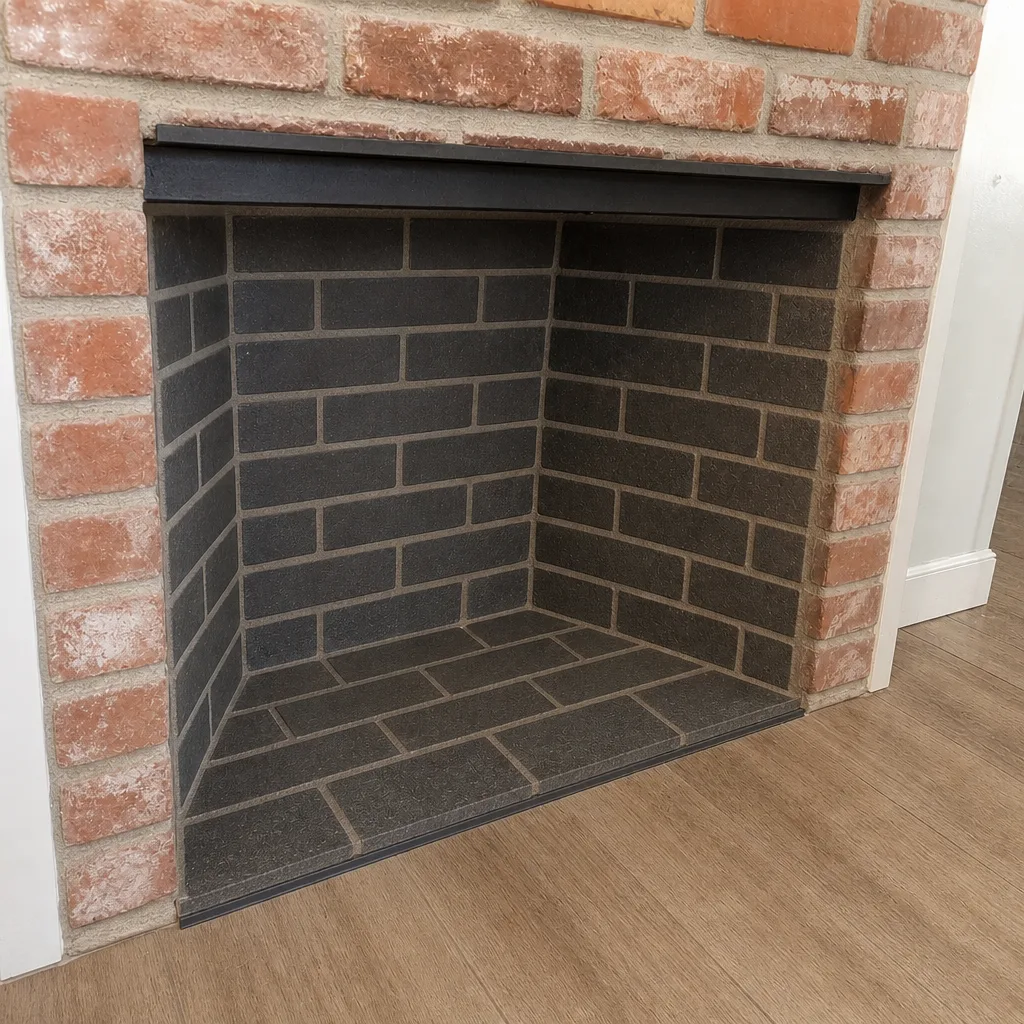 After
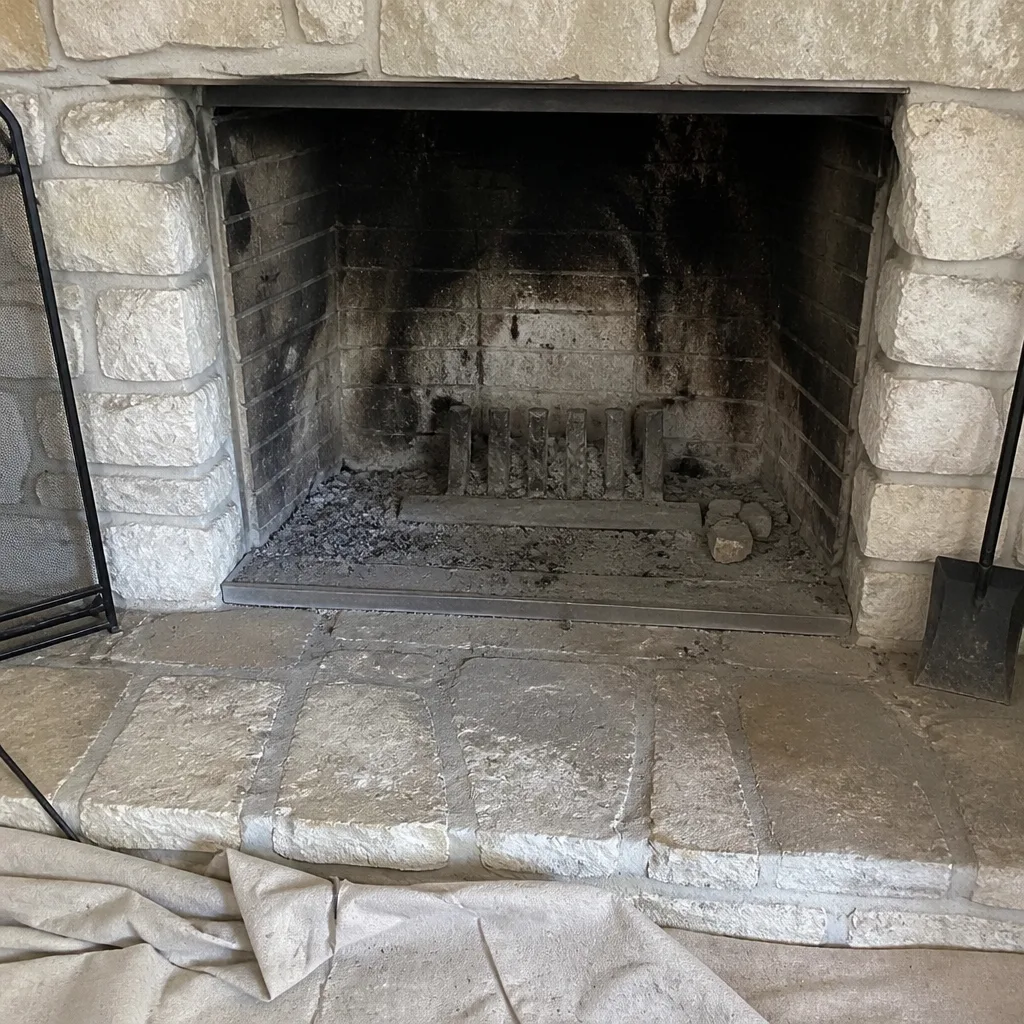 Before
 After
 Before
 After
When to Call a Professional
Call a professional for anything involving fire, carbon monoxide, or the structure of the flue. If your chimney hasn’t been swept in over a year of regular burning, if you notice a strong smoky smell in the house, if draft has weakened, or if the chimney has been through a flue fire, book an inspection. Creosote removal, liner assessment, and cap or crown repair all require trained hands and proper equipment; these aren’t jobs for a wire brush and a ladder. If you’re selling or buying a Salinas home, a Level 2 inspection produces the written record the transaction will call for. When your chimney needs care beyond cleaning, our chimney repair service covers liner and masonry work from the same team.
Salinas Chimney Sweep offers free estimates in Salinas. Call (844) 834-5211. We answer 24/7. Fast dispatch from 7am to 7pm, Sunday through Friday.
Frequently Asked Questions
A standard chimney sweep in Salinas typically costs $150 to $275, with the exact price depending on your appliance type, how much creosote has built up, and how accessible the flue is. A Level 1 inspection is often bundled with the sweep, and a Level 2 camera inspection runs $175 to $350. The written estimate sets the final price. Call (844) 834-5211 for an exact quote; estimates are free.
Not always. A full reline is only necessary when the camera inspection shows the existing flue can’t be safely restored, and many liner problems can be handled with localized repair or resurfacing methods like HeatShield ceramic restoration. What matters is seeing the actual footage before deciding. A technician who shows you the camera findings is giving you a basis to judge. Call (844) 834-5211 to book an inspection and get a straight answer based on evidence.
A chimney in regular use should be swept annually, with an inspection each time. In Salinas, where many homes burn intermittently and creosote can build up fast per cord, an annual sweep is the safe baseline. Chimneys used only occasionally may stretch to a longer interval, but an inspection will tell you whether the flue is due. Call (844) 834-5211 to schedule a sweep and a written condition report.
Creosote builds up inside the flue, and thick creosote is what fuels a chimney fire. A dirty flue also restricts draft, and a poorly venting chimney can allow carbon monoxide to back up into the home. Skipping a sweep doesn’t cause an immediate problem on every chimney, but it removes the inspection that would catch a liner issue before it becomes serious. Call (844) 834-5211 to get the flue evaluated and avoid that risk.
Often yes, but the level matters. A Level 1 visual inspection is frequently included with a routine sweep, while a Level 2 camera inspection is usually priced separately at $175 to $350. Ask which level is included before booking so you know what you’re getting. Our inspection service documents chimney condition so you have a written record for insurance, real estate, or future maintenance planning. Call (844) 834-5211 for a quote.
We work with professional-grade supply brands including DuraFlex, HeatShield, Gelco, Olympia Chimney, Famco, and Copperfield, which are the same materials chimney engineers specify. It matters because liner components and repair materials determine how long the repair lasts. Professional-grade parts, not hardware-store substitutes, are what make the difference. To schedule service with those materials on the visit, call (844) 834-5211.
The Bottom Line
Chimney cleaning costs in Salinas in 2026 fall into predictable ranges: $150 to $275 for a standard sweep, $75 to $150 for a Level 1 inspection, $175 to $350 for a Level 2 camera inspection, $175 to $425 for a cap replacement, and $350 to $900 for liner repair. The number that varies most is the total, because the total is the base sweep plus whatever the inspection justifies. Compare quotes on what’s included, what the technician can repair on the same visit, and whether the findings come with evidence you can see. Plan chimney care over five years rather than one invoice at a time, and the costs stay manageable. Get a free estimate in Salinas by calling (844) 834-5211.
Ready to book? Call (844) 834-5211. We answer 24/7. Fast dispatch from 7am to 7pm, Sunday through Friday. One call covers cleaning, inspection, and repair, and you’ll leave the visit with a written record of your chimney’s condition. Start with our Salinas Chimney Sweep home page if you’d like to see the full range of services first.
Written by the team at Salinas Chimney Sweep.