
Last updated November 16, 2026
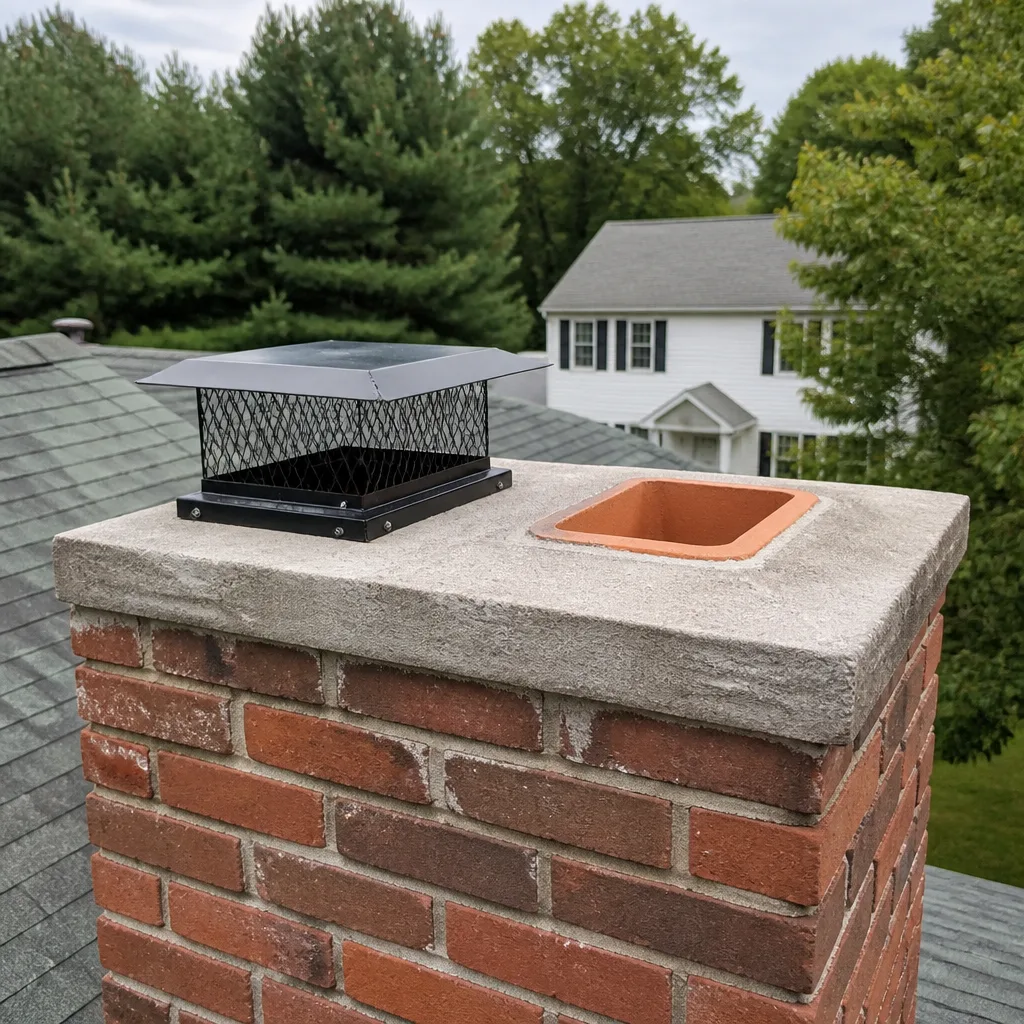 Sweep & inspection
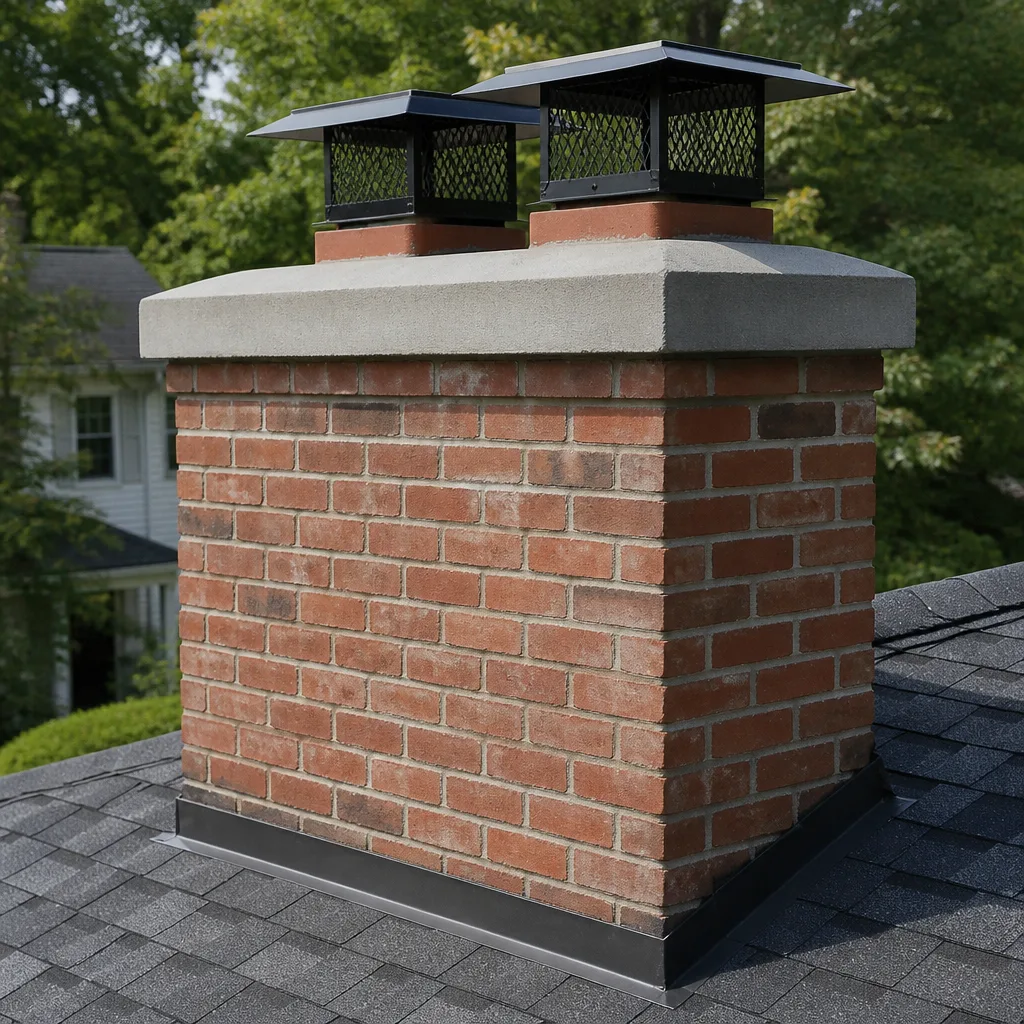 Caps & crowns
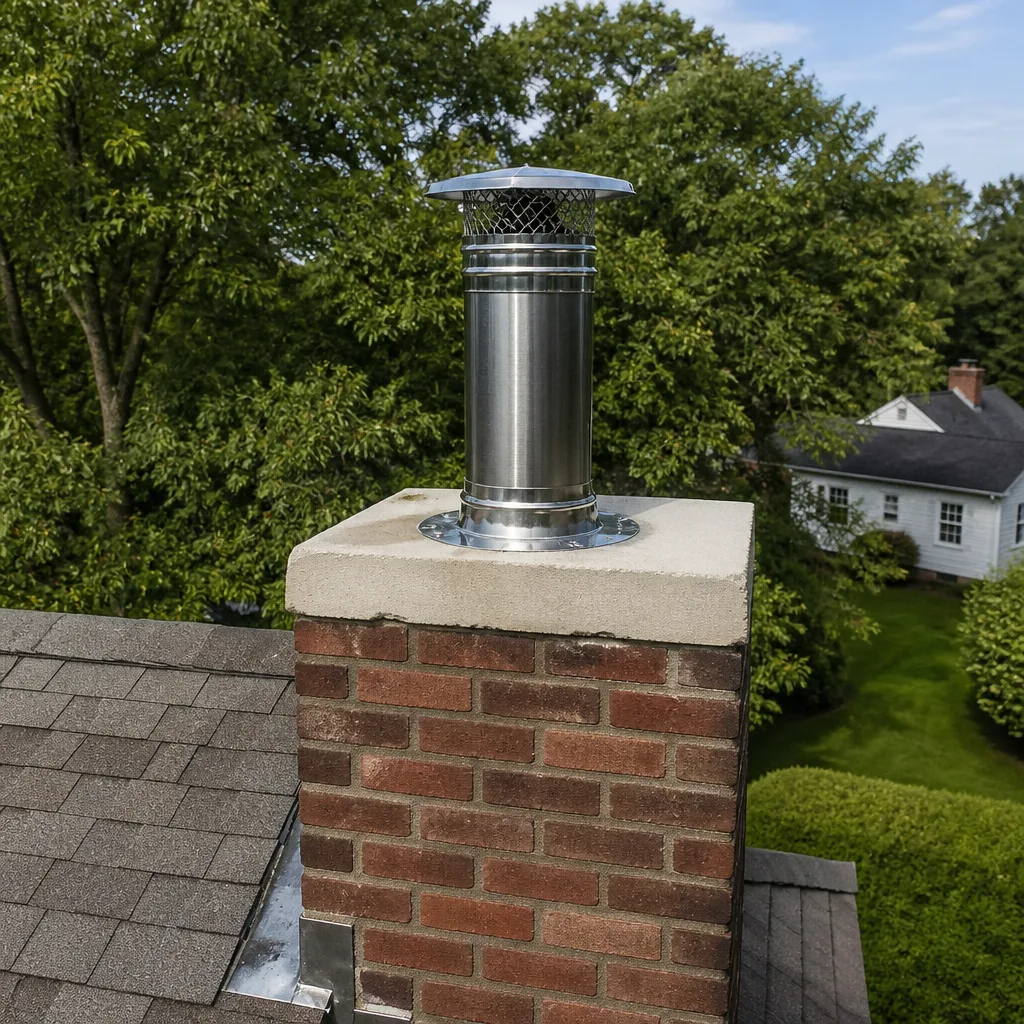 Flue relining
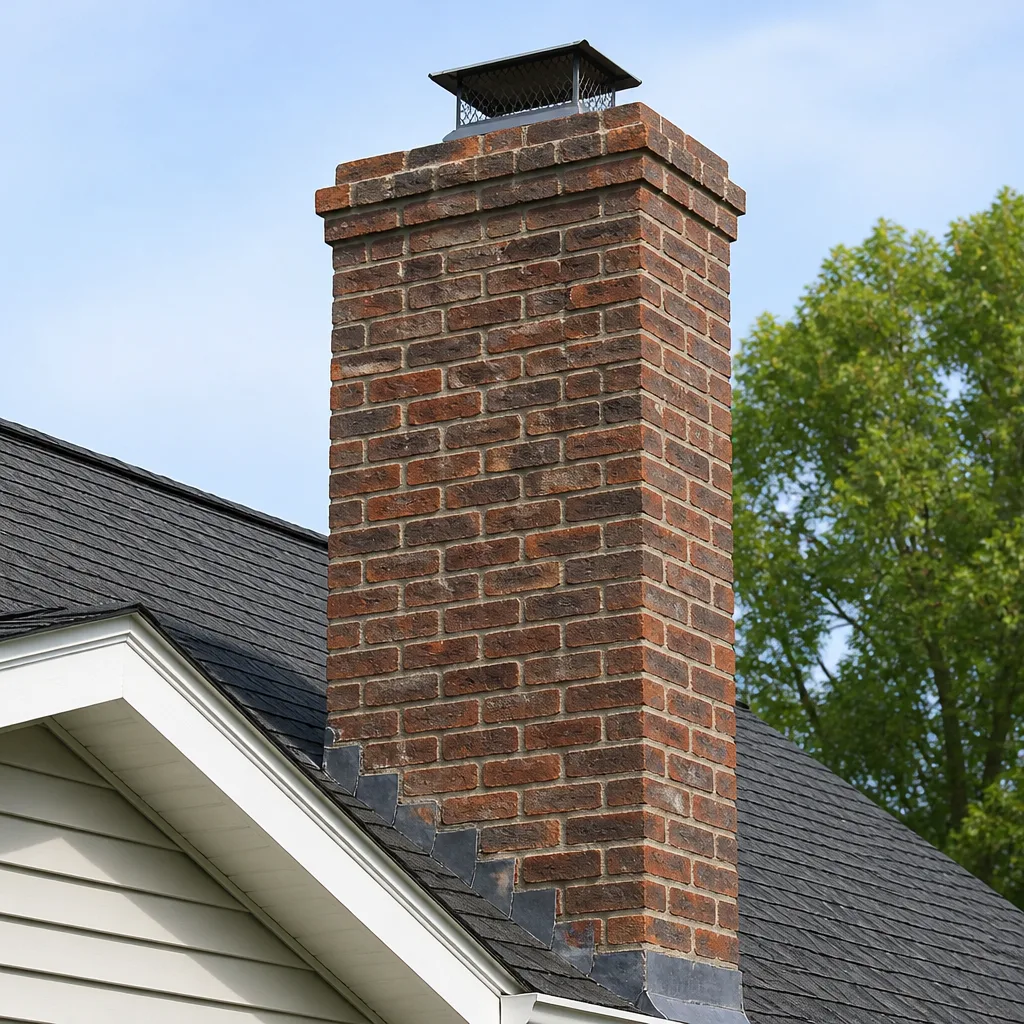 Masonry repair
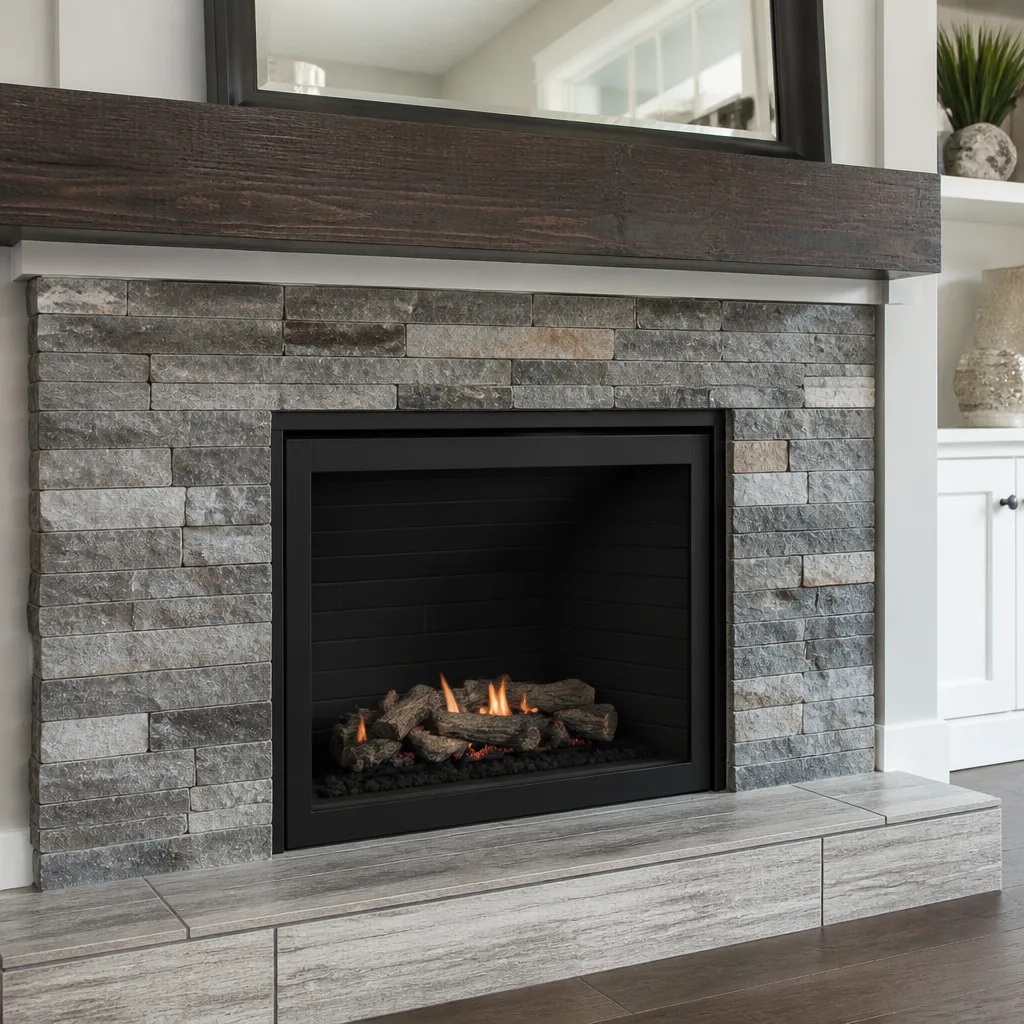 Gas fireplace service
Level 1 sweep and inspection to the NFPA 211 annual standard - flue, crown, cap, and flashing checked and photographed
Chimney sweep logs do not sweep chimneys. They loosen some creosote - which then falls where a brush and vacuum still have to collect it.
Chimney Cleaning Emergency Preparedness Guide for Salinas Homes
During an active chimney fire, you have roughly 60 seconds to make two decisions that determine whether it stays in the flue or spreads to the structure. Most homeowners haven’t thought through those decisions in advance, which is exactly when you can’t afford to figure it out. The common misconception is that chimney emergencies are all fire emergencies. In our experience across Salinas, they aren’t. Three very different situations account for most urgent calls, and each needs a different first move. This guide gives you a decision tree for all three, plus the pre-season steps that make a bad night less likely in the first place.
Quick Answer
A chimney emergency in Salinas is usually one of three things: an active flue fire, smoke backing into the room, or a suspected carbon monoxide problem from a blocked flue. For a fire, get everyone out and call 911 – don’t spray water down the flue. For backdraft, stop the fire, open a window, and check that the damper and cap aren’t blocked. For suspected carbon monoxide, evacuate and call 911 first, then have the system inspected before you burn again. Nothing that has had a fire in it should be used until a Level 2 inspection clears it.
Styles & brands we work with
- Sweep & inspection
- Caps & crowns
- Flue relining
- Masonry repair
- Gas fireplace service
Table of Contents
- The Three Chimney Emergencies (and How They Differ)
- Scenario 1: An Active Chimney Fire
- Scenario 2: Smoke Backing Into the Living Space
- Scenario 3: Suspected Carbon Monoxide From a Blocked Flue
- What Chimney Fire Suppressant Sticks Do and Don’t Do
- What to Tell the Fire Department When You Call
- After the Emergency: What Can’t Be Used Until It’s Cleared
- Pre-Season Preparation That Actually Reduces Risk
The Three Chimney Emergencies (and How They Differ)
Treating every chimney problem as a fire is the fastest way to make a recoverable situation worse. Here’s how the three scenarios break down, and why the first 10 minutes matter so much in each one.
An active chimney fire is combustion inside the flue itself, usually creosote that has built up on the walls and ignited. You may hear a low roar, a clicking or popping sound, or see dense smoke and flames from the top of the chimney. The danger is that heat and flames escape into the framing around the flue. The first move is evacuation and a 911 call.
Smoke backdraft is smoke that should be going up the flue but instead rolls into the room. Causes range from a cold flue and a closed damper to a blocked cap, a dirty flue that’s restricting draft, or a house that’s depressurized by other exhaust fans. It’s unpleasant and it can be dangerous, but it’s rarely a structural emergency on its own. The first move is to stop the fire and find the blockage or pressure problem.
Suspected carbon monoxide is the quiet one. A blocked or damaged flue can push combustion gases back into the living space, and CO has no color and no smell. Symptoms are headache, nausea, dizziness, and confusion that get better when you leave the house. The first move is evacuation and a 911 call, then a professional inspection before the system is used again.
We see all three in Salinas. Mild winters mean fireplaces and wood stoves often sit idle for months, and a flue that hasn’t been swept can build creosote quietly through that downtime. When the first cold snap hits and everyone lights up at once, that’s when the calls come in.
Scenario 1: An Active Chimney Fire
If you suspect a chimney fire right now, the sequence below is the one to follow. Don’t improvise.
- Get everyone out of the house. Every person and pet. Don’t stop to gather belongings.
- Call 911 from outside. Say plainly: “I think I have a chimney fire.” Give the address and describe what you’re seeing or hearing.
- Close the firebox door or glass doors if it’s safe to do so on your way out. Starving the fire of air inside the room can help slow it. Don’t open the door to look.
- Don’t spray water down the flue. A sudden cooling of a hot flue can crack masonry or warp a metal liner, and water on a hot firebox can send steam and debris back at you.
- Wait for the fire department outside. They’ll assess the chimney from the roof and the ground.
Those five steps are the same whether you have a masonry chimney or a metal prefab. The temptation to fight it yourself is strong, and we understand it. But an active flue fire can move into the framing within minutes, and only the fire department can confirm it’s out. Your job in those 60 seconds is to get people out and get help on the way. The chimney is the fire department’s problem once they arrive.
What you do afterward matters just as much. A chimney fire, even a small one, can damage the flue lining in ways you can’t see from the firebox. That’s covered further down in this guide.
Scenario 2: Smoke Backing Into the Living Space
Smoke rolling into the room is alarming, but it’s usually a draft or blockage problem, not an active fire. Work through these checks in order.
- Is the damper open? It sounds obvious, but a closed or partly closed damper is the most common cause of smoke in the room. Open it fully.
- Is the fire too big or too green? A large fire in a cold flue, or wet wood that smolders instead of burning hot, produces more smoke than the flue can carry.
- Is the chimney cap blocked? A bird’s nest, a fallen cap, or a heavy creosote flake can obstruct the top of the flue. If you can see the cap from the ground safely, look. Don’t climb.
- Is the house depressurized? A kitchen exhaust fan, a bathroom fan, or a dryer running can pull air down the chimney. Turn them off and see if the draft recovers.
- Is the flue overdue for a sweep? A restricted flue loses draft fast. If it’s been a while since the last cleaning, that’s likely the cause.
If none of those fix it, stop burning. A persistent backdraft can be a sign of a cracked flue, a blocked liner, or a chimney that’s undersized for the appliance. In Salinas, we’ve walked into plenty of homes where a new gas insert was added to a flue that was never sized for it. That’s a professional problem, not a homeowner one. Call us and we’ll inspect before you light another fire.
Scenario 3: Suspected Carbon Monoxide From a Blocked Flue
If anyone in the house has a headache, nausea, dizziness, or confusion that seems to ease when they step outside, assume carbon monoxide until proven otherwise. Act on that assumption immediately.
- Get everyone outside into fresh air. Don’t wait to see if symptoms improve.
- Call 911. Tell them you suspect carbon monoxide and how many people are affected.
- Don’t re-enter to open windows or shut off appliances. Let the fire department handle it.
- Don’t relight any appliance until the system has been inspected and cleared.
Carbon monoxide comes from incomplete combustion, and a blocked or damaged flue is one of the ways it ends up in the living space instead of outside. Gas inserts, wood stoves, and furnaces vented through a chimney all depend on a clear flue. When that flue is obstructed, the gases have nowhere to go but back into the room.
A working CO alarm is your best early warning. If you don’t have one near the appliance, that’s the single most useful thing you can install before next burning season. But an alarm is a backup, not a substitute for a clean, sound flue. When we inspect a chimney, we check the flue for blockages, cracks, and gaps in the liner, because those are the failure points that let CO into a home. This is where professional-grade materials matter: a DuraFlex liner system, properly installed, gives the flue a continuous, sealed path that a patchwork repair can’t match.
What Chimney Fire Suppressant Sticks Do and Don’t Do
Chimney fire suppressant sticks are a real product, and they can help in a narrow set of situations. They are not a fire extinguisher, and they are not an action plan.
What they do: A suppressant stick is designed to be tossed into a hot firebox, where it releases a chemical powder that travels up the flue and can smother a small fire in the flue itself. Some homeowners keep one on hand as a first response while waiting for the fire department.
What they don’t do: They don’t put out a well-developed chimney fire, they don’t cool the structure, and they don’t tell you whether the flue is damaged. They also give some homeowners a false sense of security, which is the dangerous part. Having a stick on the shelf is not the same as knowing to evacuate and call 911.
Our advice is simple: keep one if you like, but treat it as a supplement to your plan, never a replacement. The plan is the five steps in the active fire section above. If you’ve used a suppressant stick on a fire, that fire still needs a professional inspection afterward, because the flue may have been damaged even if the flames went out.
What to Tell the Fire Department When You Call
Dispatchers and responding crews need specific information to respond correctly. Have these answers ready before you dial if you can.
- Your address and cross street. Plain and clear.
- “I think I have a chimney fire.” Say the words. Don’t describe it as “smoke” if you think it’s a fire.
- What you see and hear. Flames or smoke from the top? A roaring or popping sound? Smoke in the room?
- How many people are in the house, and whether anyone is still inside. Every person and pet.
- What kind of chimney it is. Masonry or metal prefab. What appliance is connected: open fireplace, wood stove, gas insert, or furnace.
- Whether you’ve used a suppressant stick. Tell them. It changes what they’ll expect to find.
When crews arrive, they’ll want to know the same things plus anything you can tell them about the chimney’s recent history: when it was last swept, whether it’s been repaired, whether you’ve had draft problems. This is exactly why a written inspection record is worth keeping. We document every inspection so homeowners have a clear record of what was found and when, useful for the fire department, your insurer, and any future work.
After the Emergency: What Can’t Be Used Until It’s Cleared
Here’s the part most homeowners get wrong: after a chimney fire, the fireplace looks fine, so they light it again a week later. Don’t.
Any chimney that has had a fire in it needs a Level 2 inspection before it’s used again. A Level 2 inspection goes beyond what you can see from the firebox. It covers the accessible portions of the flue, the attic and crawl space where the chimney passes through, and the top of the chimney. It often includes a camera to look for cracks, gaps in the liner, and damage to joints that aren’t visible from the room. A Level 1 inspection, the visual check you’d get with a routine sweep, is not enough after a fire.
The reason is simple: a chimney fire can crack masonry, warp a metal liner, and open up gaps in the flue that you can’t see. Those gaps are exactly how CO and smoke get into a house on the next fire. If the inspection shows damage, the fix is usually a reline. When that’s warranted, a flexible liner system like DuraFlex can be routed through offset or aging flues that a rigid liner can’t handle. In some cases, a flue that’s still structurally sound can be restored with HeatShield ceramic resurfacing instead of a full reline, which is a less invasive option most sweep-only companies can’t offer.
Until the inspection clears it, the fireplace stays cold. That’s the rule.
Pre-Season Preparation That Actually Reduces Risk
Most chimney emergencies start in the shoulder seasons, before anyone has thought about lighting a fire. A few hours of preparation in the fall does more for safety than any emergency gadget.
Get an annual inspection before burning season. A sweep and inspection before the first fire gives you a clear picture of your flue’s condition. If there’s creosote buildup, a blockage, or a cracked liner, you find out now, not on a cold night with a fire going.
Burn dry, seasoned wood. Wet wood burns cool and smolders, which is exactly what builds creosote. Seasoned wood burns hotter and cleaner. Store it covered and off the ground.
Watch for the early signs of creosote buildup. Black, glassy creosote on the flue walls is the most flammable stage and the hardest to remove. If you’re hearing a roar when the fire is going, or seeing dense smoke from the cap, don’t wait for the next scheduled sweep.
Make sure the cap is clear and intact. A damaged or missing cap lets birds, squirrels, and debris into the flue. In Salinas, we find nests in caps more often than people expect. That’s a blockage waiting for the first fire of the season.
Install and test CO alarms. Put one near the appliance and one in the sleeping area. Test them before the season starts.
Check the damper operation. It should open and close smoothly. A damper that sticks open wastes heat, and one that sticks closed is a smoke-in-the-room problem waiting to happen.
Keep a written record of your inspections. It tells you when you’re due for the next sweep, and it’s the information the fire department will ask for.
If you’re due for a chimney sweep, book it before the season, not after the first scare.
Common Mistakes to Avoid
- Assuming a chimney fire is out because you don’t see flames anymore. Flue fires can hide in the structure. A Level 2 inspection is the only way to know, and skipping it is how a small fire becomes a second one.
- Spraying water down a hot flue. The sudden temperature change can crack masonry and warp liners. Let the fire department do their job and save the chimney for the inspection afterward.
- Treating a suppressant stick as an extinguisher. A stick may smother a small flue fire, but it doesn’t make the chimney safe or the structure cooler. Evacuate and call 911.
- Relighting the fireplace after backdraft without finding the cause. Smoke rolling into the room usually means a blockage, a pressure problem, or an undersized flue. Relighting just brings it back.
- Ignoring CO symptoms because they go away outside. Feeling better in fresh air is a classic CO pattern, not proof that everything’s fine.
- Burning wet or unseasoned wood. It’s the single easiest way to build creosote fast, and it’s the fuel most chimney fires burn.
- Skipping the annual inspection because the chimney “looks fine.” The damage that matters is inside the flue, where you can’t see it. That’s the whole point of a professional inspection.
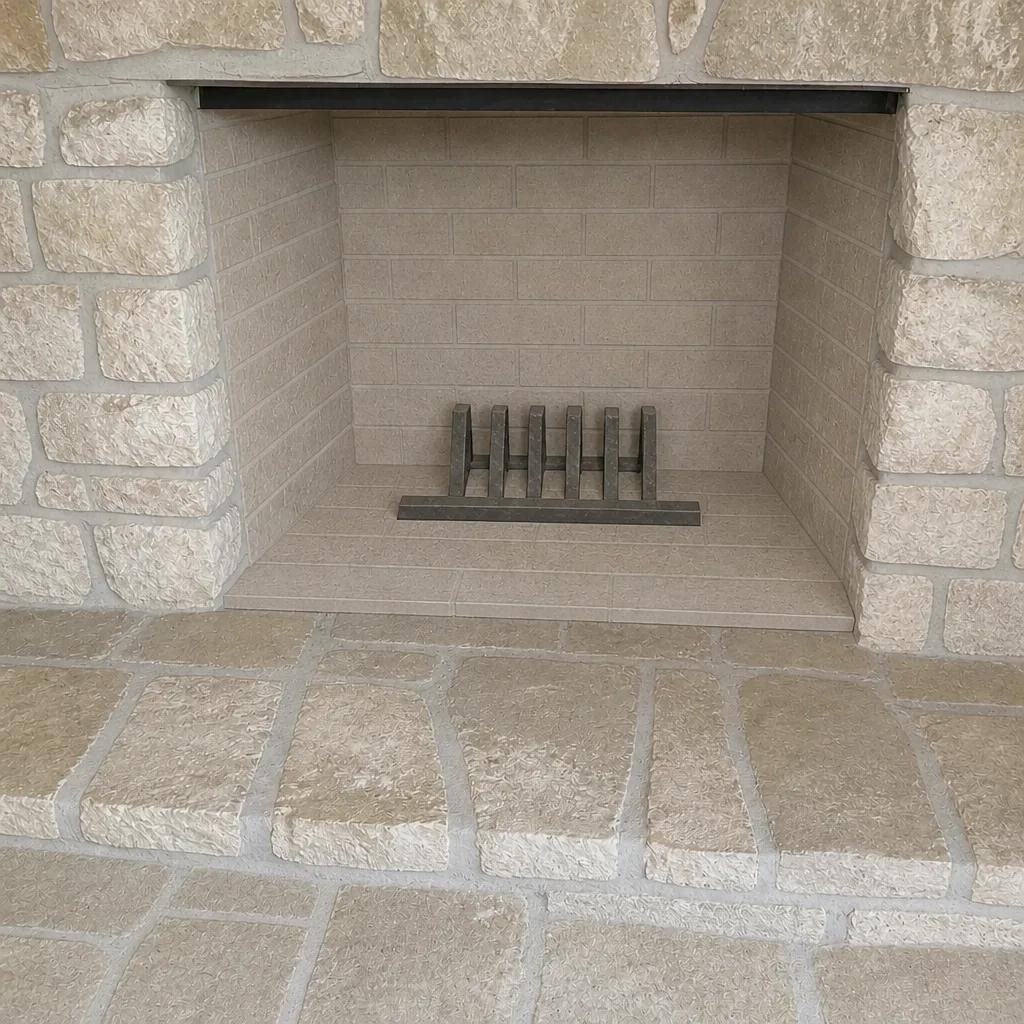
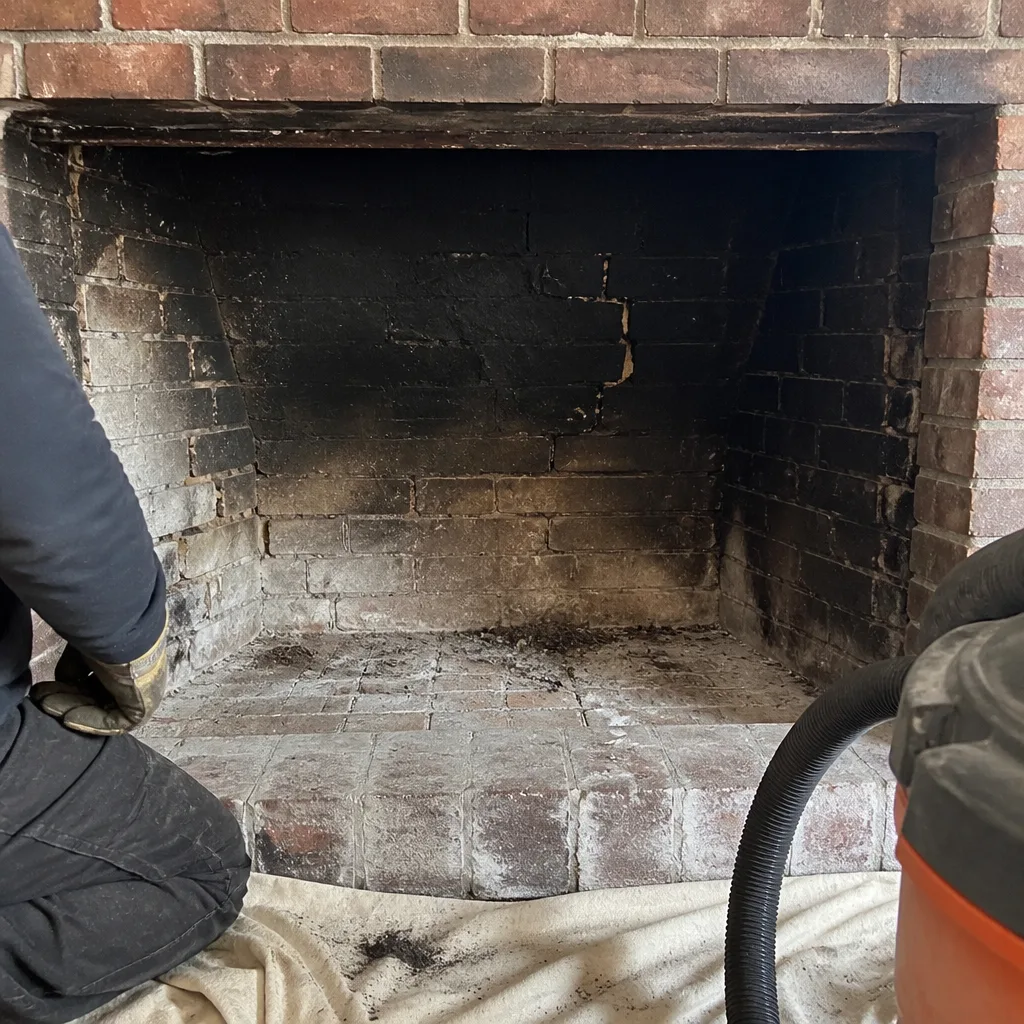
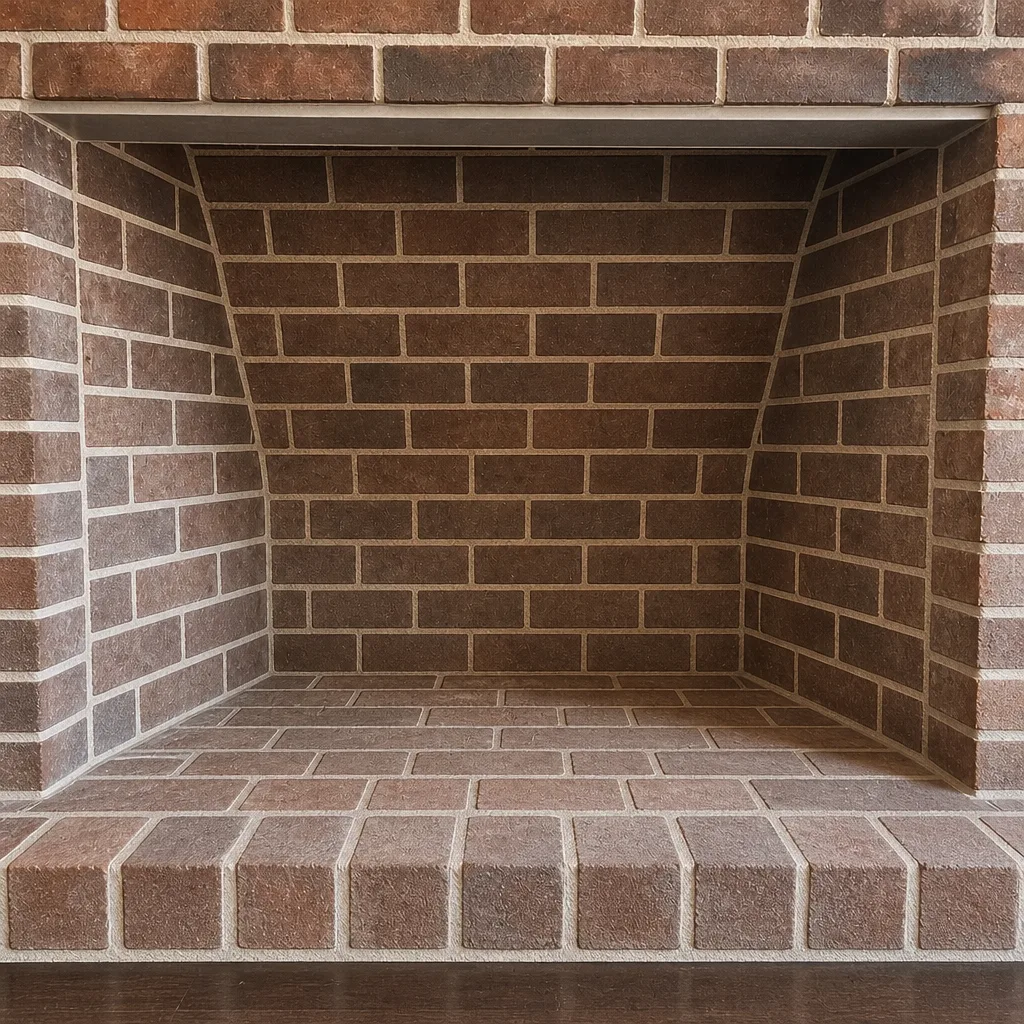
See the difference
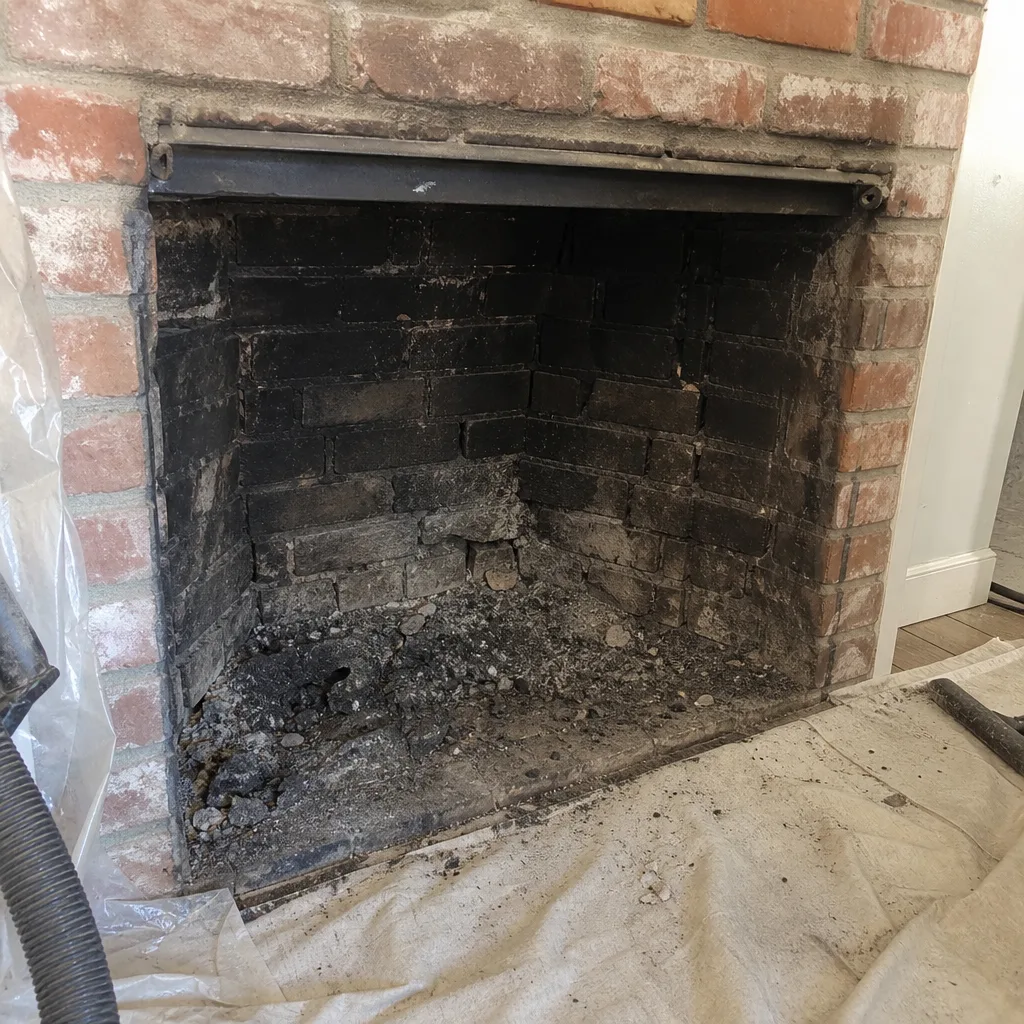 Before
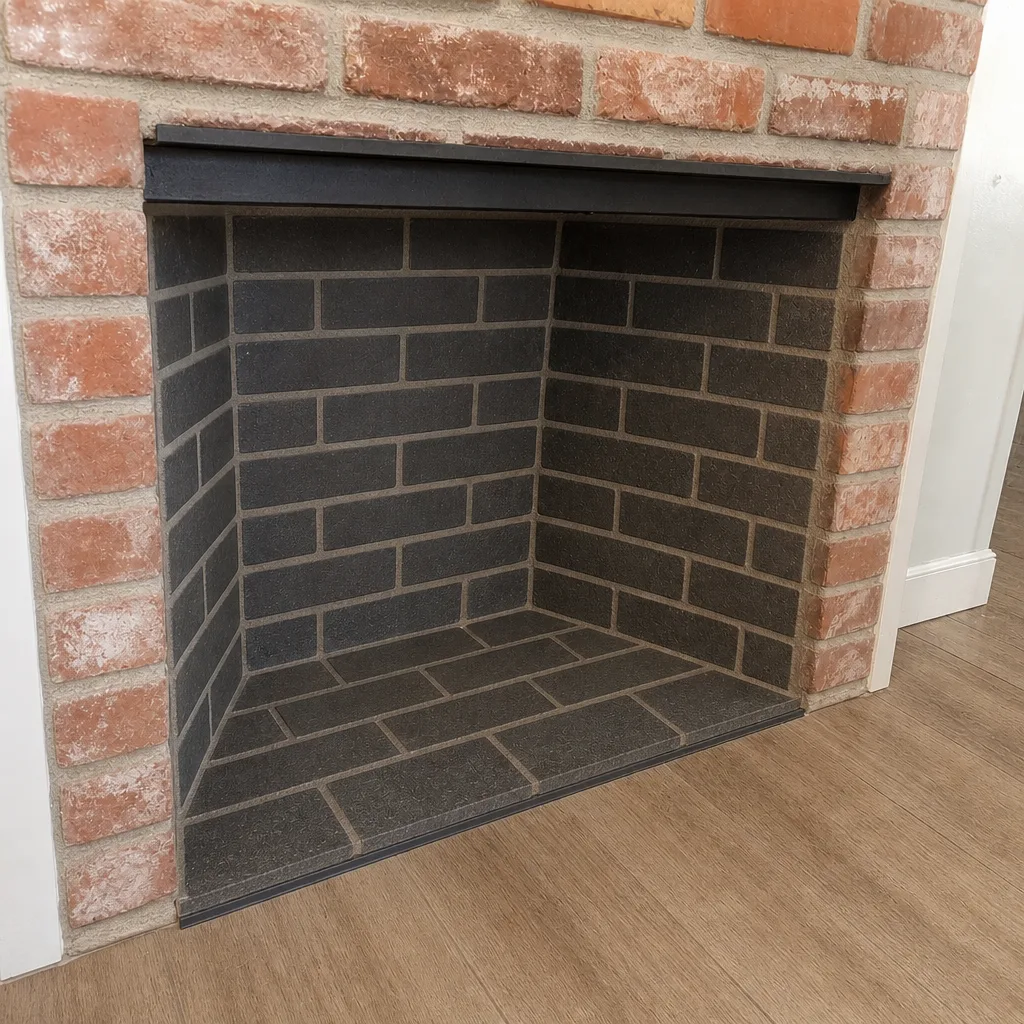 After
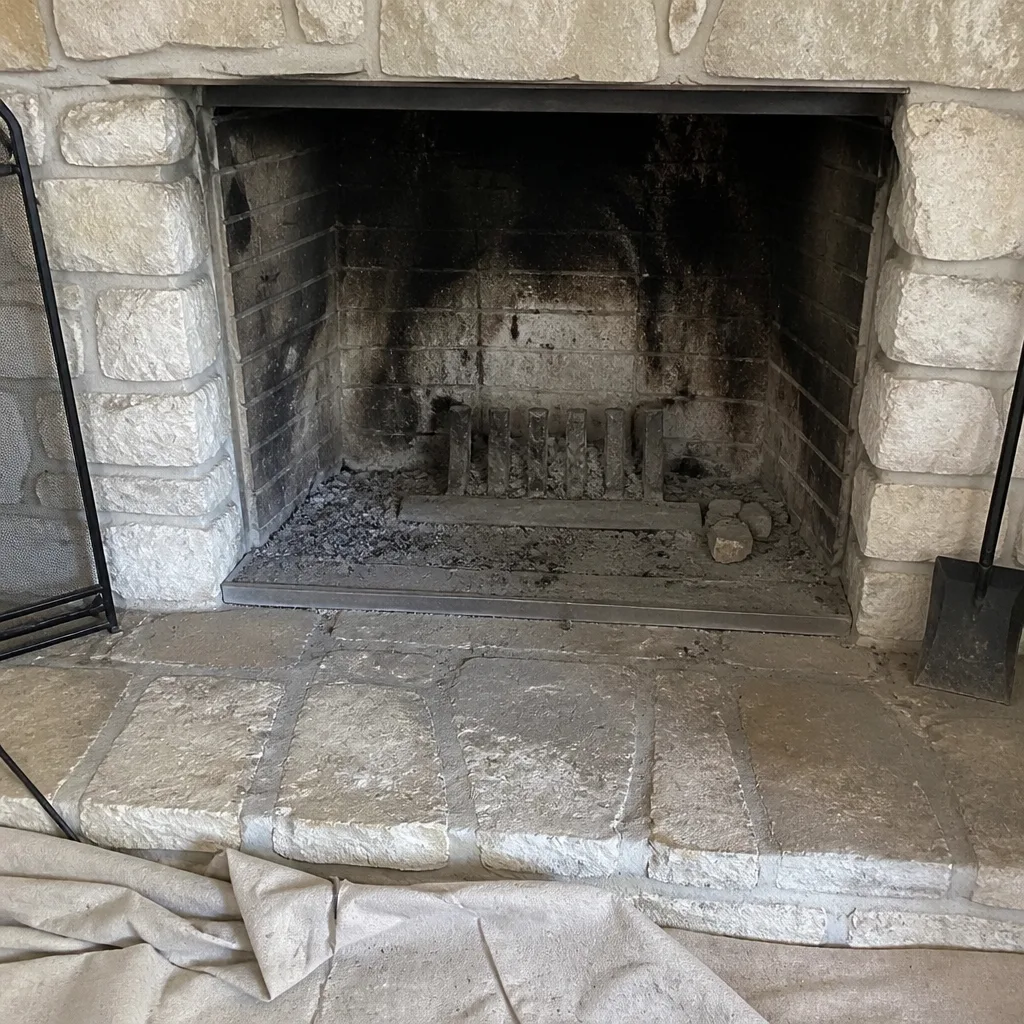 Before
 After
 Before
 After
When to Call a Professional
Call us if you’ve had any fire event in your chimney, even a small one. Call us if you’re seeing smoke in the room that isn’t explained by a closed damper or a cold flue. Call us if you notice a strong, acrid smell, a persistent draft problem, or CO symptoms in the house. Call us before the season starts if it’s been more than a year since the last sweep, or if you’ve never had this chimney inspected. Call us before buying a new insert, a stove, or a liner, so the flue can be sized and checked first. And call us if you’re unsure whether a chimney repair is really needed, because you should have evidence either way.
Salinas Chimney Sweep offers free estimates in Salinas. We cover chimney sweeping, chimney repair, and inspection under one company, so there’s no second contractor to call. Our technicians have up to 14 years of experience. Call (844) 834-5211.
Frequently Asked Questions
Get everyone out of the house and call 911 from outside. Don’t spray water down the flue, and don’t wait to see if it goes out on its own. Tell the dispatcher plainly: “I think I have a chimney fire,” and give your address and what you’re seeing or hearing. Once the fire department has handled the fire, the chimney needs a Level 2 inspection before it’s used again. Call (844) 834-5211 for that inspection.
Yes. A Level 2 inspection is specifically required after any chimney fire, and it goes well beyond the visual check of a routine sweep. It covers the accessible portions of the flue, the attic and crawl space, and the top of the chimney, and it can identify cracks, gaps in the liner, and damage that aren’t visible from the room. A fire can damage a flue in ways you can’t see, and that damage is how CO and smoke get indoors on the next fire. Call (844) 834-5211 to book one.
A suppressant stick can smother a small fire in the flue, but it won’t put out a well-developed chimney fire and it won’t make the structure safe. Treat it as a supplement to your action plan, never a replacement. If you use one, still evacuate, still call 911, and still have the chimney inspected afterward. Call (844) 834-5211 if you’re unsure whether the chimney is safe to use.
Smoke backing into the room with no flames visible from the firebox or the chimney top is usually a draft or blockage problem, not an active fire. Check the damper first, then look for a blocked cap and turn off any exhaust fans pulling air down the flue. If you see or hear signs of fire, treat it as a fire and evacuate. If you can’t find the cause of the backdraft, stop burning and call (844) 834-5211 for an inspection.
Headache, nausea, dizziness, and confusion that get better when you leave the house are the classic signs, and a working CO alarm going off is another. If any of those appear, evacuate and call 911 before you do anything else. Don’t relight the appliance until the system has been inspected and cleared. Call (844) 834-5211 for the inspection afterward.
Get an annual inspection and sweep before the first fire, and install a working CO alarm near the appliance. Those two steps catch the problems that cause most emergencies: creosote buildup, a blocked cap, a cracked liner, or a flue that isn’t sized for the appliance. Also burn dry, seasoned wood and keep a written record of your inspections. Call (844) 834-5211 to book your pre-season inspection.
The Bottom Line
Chimney emergency preparedness isn’t about one fire scenario. It’s about knowing the first move for each of the three situations that actually happen: an active flue fire, smoke backing into the room, and a suspected CO problem. For fire, evacuate and call 911. For backdraft, stop the fire and find the blockage. For CO, evacuate and call 911, then get an inspection. A suppressant stick is a supplement, never a plan. After any fire, a Level 2 inspection is required before the chimney goes back into service. And the best emergency response is the one you prevent with a pre-season appointment. Salinas Chimney Sweep keeps inspection, sweeping, and repair under one company, using professional-grade brands like Olympia Chimney, Famco, and Copperfield so the work is built to last, not patched with substitutes.
Call (844) 834-5211 for a free estimate. We answer 24/7. Fast dispatch from 7am to 7pm, Sunday through Friday.
Written by the team at Salinas Chimney Sweep.