
Last updated November 16, 2026
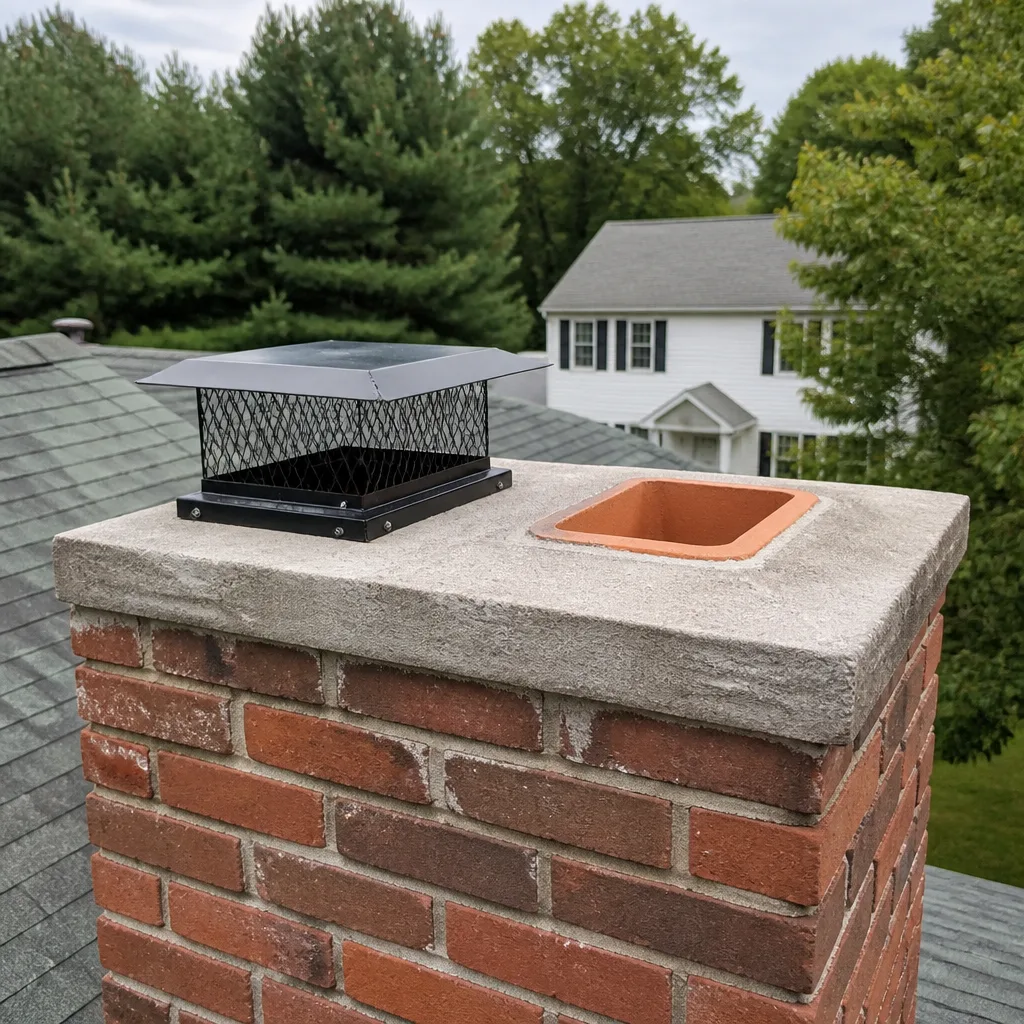 Sweep & inspection
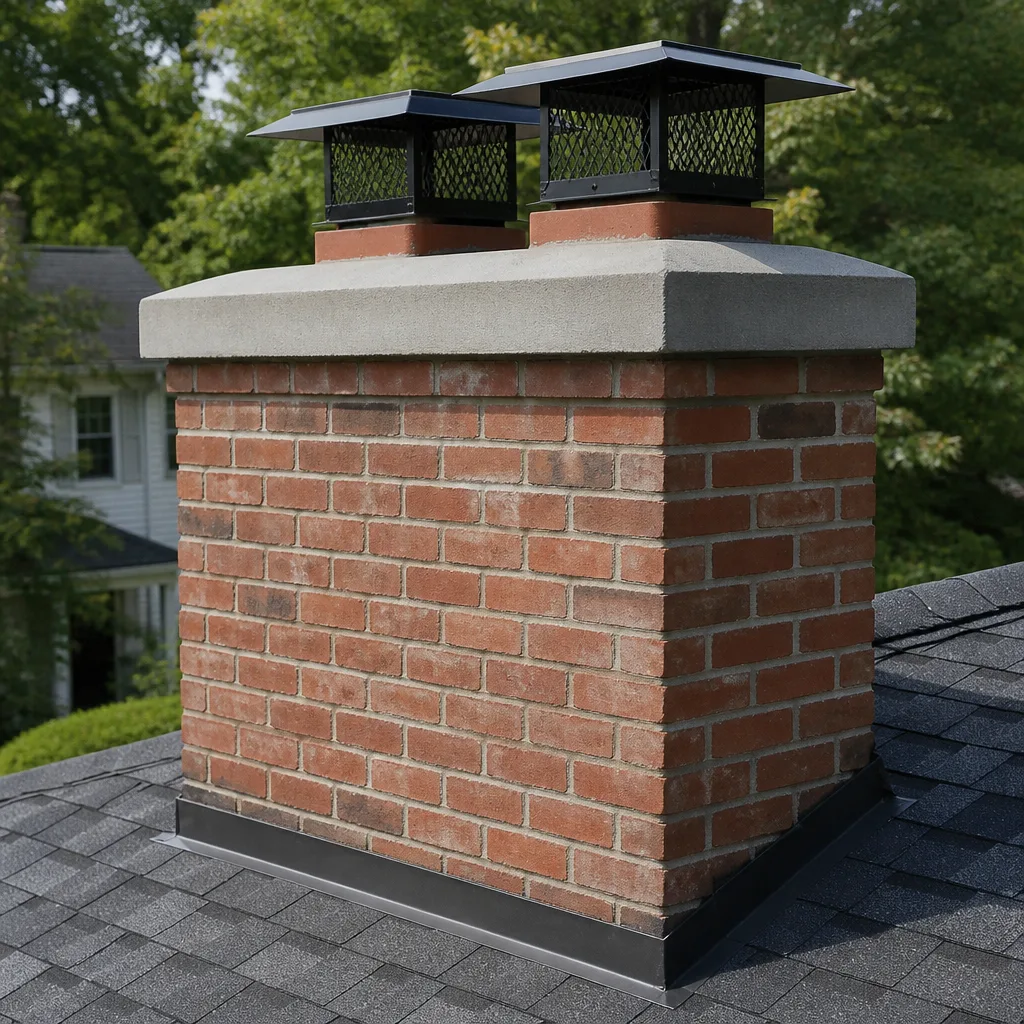 Caps & crowns
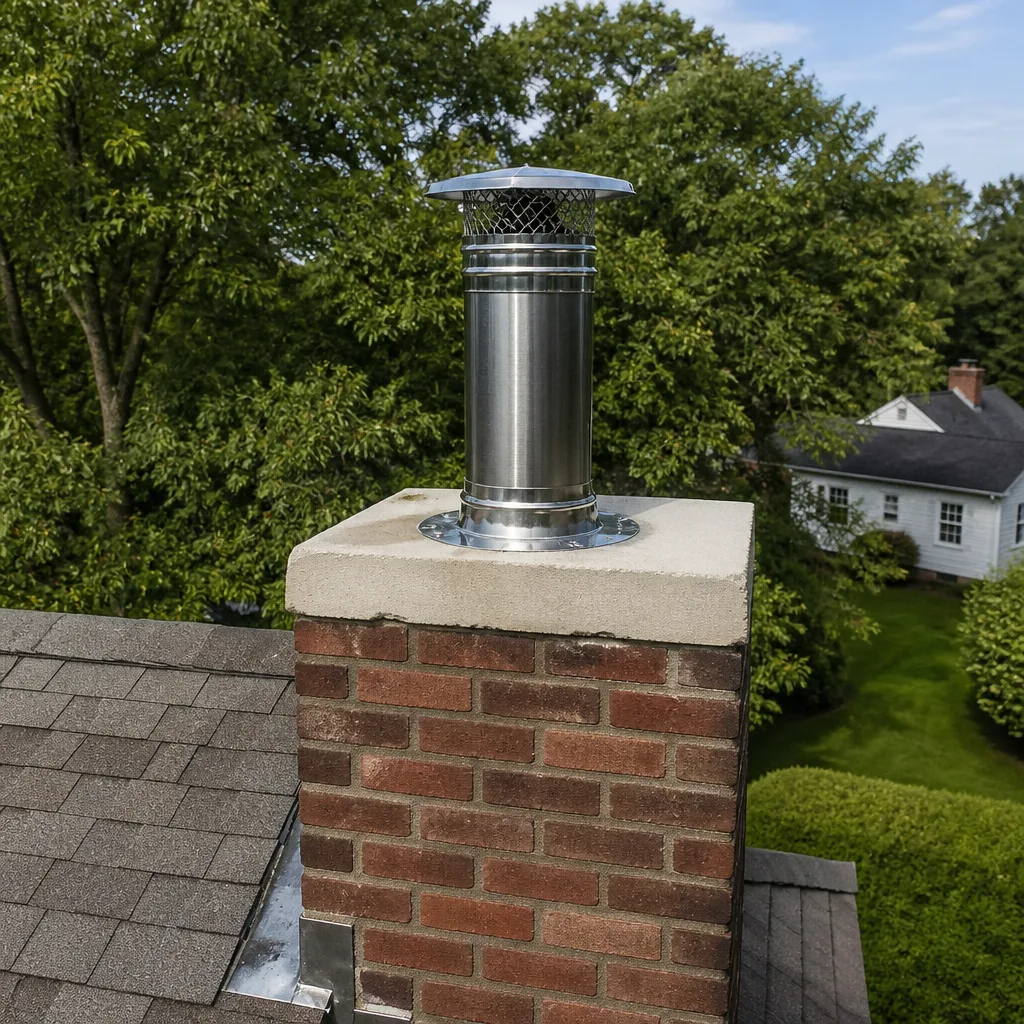 Flue relining
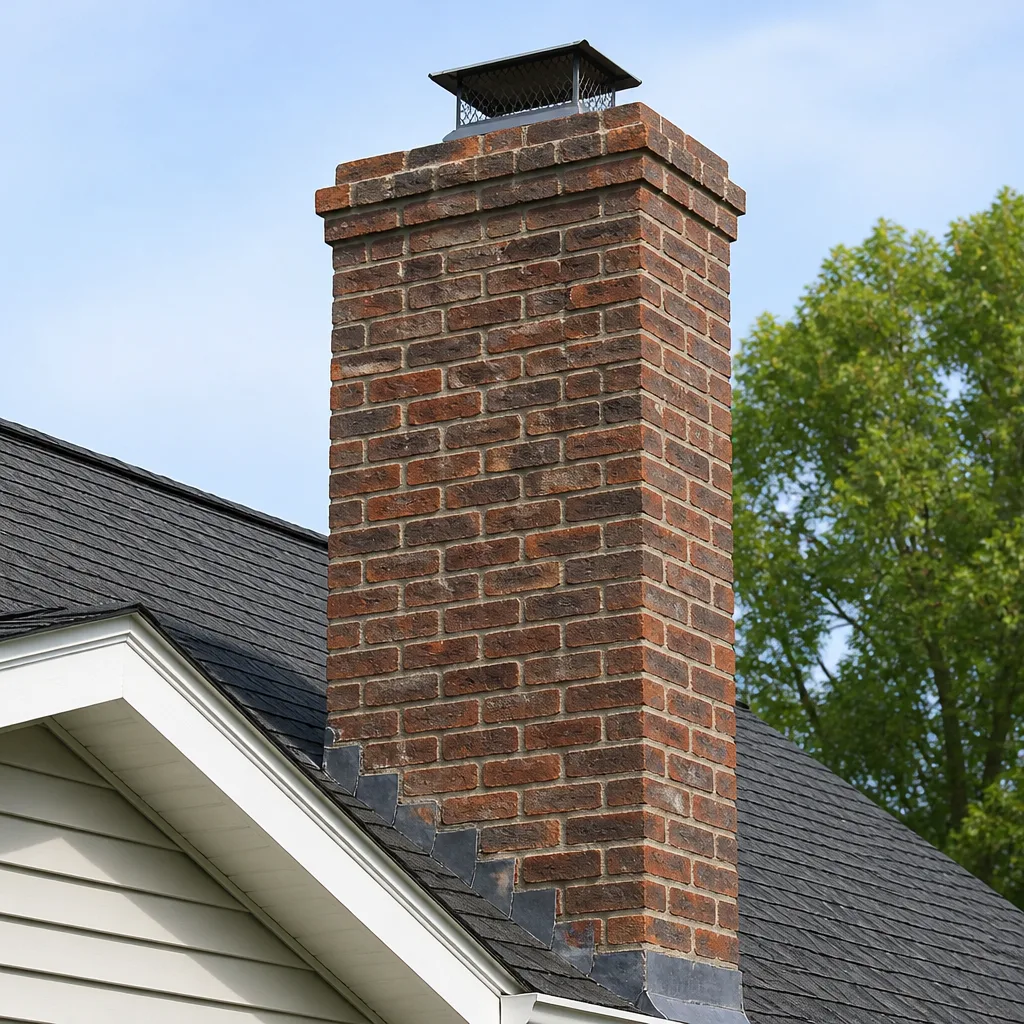 Masonry repair
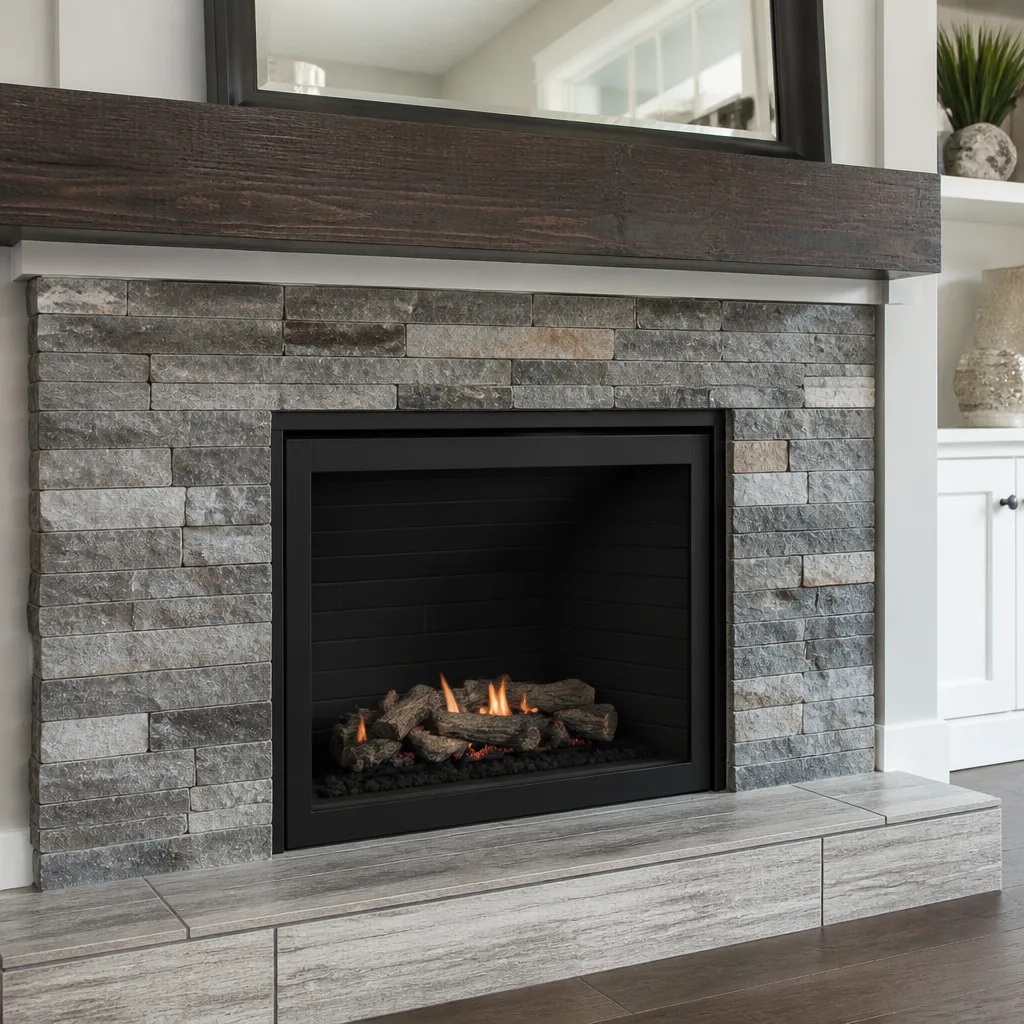 Gas fireplace service
Level 1 sweep and inspection to the NFPA 211 annual standard - flue, crown, cap, and flashing checked and photographed
Chimney sweep logs do not sweep chimneys. They loosen some creosote - which then falls where a brush and vacuum still have to collect it.
Chimney Sweep Maintenance Schedule: What to Do and When
The advice most homeowners get about chimney care is a single line: sweep it once a year. That line is easy to remember and often wrong for the appliance actually in the room. A gas insert that runs a few evenings a week and a wood stove that eats two cords a winter do not degrade the same way, and neither one fails on a calendar. What really sets the pace is how hot you burn, how often you burn, and how fast components wear in the air around your home. This guide builds a maintenance schedule around those inputs, so you’re scheduling work your chimney needs rather than work a general rule assumes. We’ll cover separate tracks for wood, gas, and pellet, how inspection levels differ, and a late-summer timing rhythm that fits Salinas.
Quick Answer
Wood-burning chimneys should be inspected once a year and swept when creosote reaches about 1/8 inch, which for many homes is every one to two cords burned. Gas and pellet appliances need an annual inspection even though they produce little or no creosote, because pilot assemblies, vent connectors, and liners still wear. In Salinas, the smartest time to book inspection and sweep is late summer, ahead of the October rains and the start of the heating season.
Styles & brands we work with
- Sweep & inspection
- Caps & crowns
- Flue relining
- Masonry repair
- Gas fireplace service
Table of Contents
- Why There’s No Single Annual Schedule
- The Wood-Burning Track
- The Gas Appliance Track
- The Pellet Stove Track
- Inspection Levels 1, 2, and 3 Explained
- Timing Your Sweep to Salinas Weather
- Owner Checklist Between Professional Visits
- Why Burn Temperature Beats Burn Frequency
Why There’s No Single Annual Schedule
A chimney is a system: the firebox, the flue, the liner, the cap, the connectors, and the appliance itself. Each part wears at a different rate depending on fuel. Creosote buildup is the concern with wood, and it’s a real one. But a gas fireplace produces almost none, so a homeowner running a gas insert hears “annual sweep” and reasonably wonders what anyone would be sweeping. That’s the gap in the standard advice. The word “sweep” describes one task, but maintenance covers far more.
Here’s what we look at when we build a schedule for a Salinas home:
- Fuel type. Wood makes creosote. Gas makes moisture and mild acidic condensate. Pellet makes fine ash and a small amount of soot.
- Burn hours. How many evenings a week, and for how many months.
- Burn temperature. A hot, clean fire leaves less behind than a smoldering one, even with the same wood.
- Appliance age and venting style. Older appliances, and those with long or offset flue runs, tend to need closer watching.
- Local air and weather. Salinas sits in a mild valley climate with a pronounced marine layer and a dry late-summer fire season. That pattern shapes when moisture and condensation appear on metal components, and it’s one reason a fall inspection makes more sense here than an early-spring one.
Two homes on the same street can honestly need different intervals. The schedule below is a starting framework, not a fixed rule. Your inspection findings adjust it up or down. If your appliance is a gas insert and you’ve never had it looked at, that’s a great first call to make. Our Salinas Chimney Sweep team can help you map the right interval.
The Wood-Burning Track
Wood is the fuel that produces creosote, and creosote is the flammable residue that makes chimney fires possible. For most wood-burning households, the working rule is: annual inspection, and sweep when the buildup reaches about 1/8 inch. On a typical open fireplace that’s often once a year. On a wood stove or insert that runs hard through the season, it can be every cord to every cord and a half. Homes that burn low, smoldering fires can hit the threshold sooner than the family burning the same amount of wood hot.
Here’s how the wood track usually runs, step by step:
- Late summer, before October rains. Book the annual inspection and sweep. Dry-season access to the roof and cap is simpler, and you find out about problems before you need the fireplace.
- At each sweep, get a camera look at the flue. A visual check shows the firebox and damper; a camera shows cracks and gaps in the liner that you can’t see from the hearth.
- Inspect the cap and spark screen. Birds, squirrels, and leaf litter are common in Salinas yards with mature trees. The cap does real work.
- Test the damper. It should open and close fully. A damper that sticks open wastes heat; one that won’t open fully starves the fire and pushes smoke into the room.
- Note the burn. If you’re seeing more smoke or a slower draft, tell the technician. It changes what they look for.
If you haven’t had your fireplace looked at in a couple of seasons, start with a cleaning and inspection before the weather turns. You can chimney sweep service online or by phone, and one visit covers both.
The Gas Appliance Track
A gas fireplace or gas insert needs an annual inspection. Not because of creosote, because there isn’t any worth sweeping, but because the parts that fail are mechanical and electrical. The pilot assembly, the thermocouple or thermopile, the gas valve, and the vent connectors all sit in a metal box that sees moisture and temperature swings. In a mild coastal-valley climate like Salinas, condensation on cool metal is part of the picture, and it’s faster on systems that run intermittently than on ones that run daily through the winter.
What annual gas inspection covers:
- Pilot and ignition. A weak pilot or a sensor going out of spec is the most common reason a gas fireplace won’t light.
- Vent connectors. These are the joints where the appliance meets the flue. They can loosen or corrode over time, and a loose connector is a carbon monoxide risk.
- Liner condition. Gas flues are lined too, and the liner can degrade with moisture and acidic condensate.
- Glass and firebox. Soot on the glass or staining in the firebox tells you how the burner is running.
- Carbon monoxide check. Any gas appliance should be tested for safe combustion and proper venting.
This is one place where “it still lights” isn’t the same as “it’s safe.” A gas fireplace that lights fine can still have a compromised vent connector. An annual inspection is the cheapest way to catch that before it becomes a repair. If you’re unsure whether your insert has ever been serviced, that’s a good first call.
The Pellet Stove Track
Pellet stoves burn cleaner than wood, but they produce a surprising amount of fine ash that settles in the flue and the vent. The schedule is annual inspection, plus a professional cleaning roughly once a year, plus more frequent owner-side cleaning of the burn pot and ash traps during the season. A pellet stove with a long horizontal vent run or an outside air kit can need checking more often, because ash builds faster in those configurations. The vent termination cap is also a frequent trouble spot: it can clog with ash or get blocked by birds.
A practical pellet rhythm:
- End of the heating season. Have the stove and vent professionally cleaned once the burning is done, so ash doesn’t sit in the vent all summer.
- Mid-season. Empty and clean the burn pot and ash pan on the schedule your stove’s manual recommends. Owners who skip this end up with a stove that shuts itself off.
- Fall, before first burn. Verify the cap and vent termination are clear, gaskets are intact, and the door seals properly.
- After any vent repair. If a section of vent was replaced, get a fresh inspection, since new joints need checking.
Pellet flues are often stainless flexible vent systems, and the brands matter. Components from chimney repair sources like Olympia Chimney and DuraFlex are built for the heat and ash exposure a pellet vent sees.
Inspection Levels 1, 2, and 3 Explained
When you schedule an inspection, you should know which level you’re getting and why. The three levels answer different questions, and knowing them helps you understand a quote and avoid paying for a level you don’t need.
Level 1 Inspection
A Level 1 inspection is a visual check of readily accessible parts of the appliance and venting: the firebox, damper, visible flue, cap, and any accessible connectors. It’s the standard inspection when you keep burning the same appliance the same way and haven’t changed anything. It’s also what typically accompanies an annual sweep. If your habits haven’t changed and there’s no reason for concern, this is usually the right level.
Level 2 Inspection
A Level 2 inspection is more thorough. It includes everything in a Level 1 plus a camera examination of the flue interior, and it’s the level you want after a chimney fire, after any change to the appliance or fuel type, after a property sale or change of occupancy, and after a significant event that could have damaged the flue. The camera is how you find cracks and gaps you can’t see from the hearth. If you’ve had a chimney fire you didn’t know about, a Level 2 is how you find the damage.
Level 3 Inspection
A Level 3 inspection goes further and may involve opening walls or removing parts of the structure to reach concealed portions of the venting. It’s rare, and usually follows a serious event or a problem the camera can’t resolve. A Level 3 is the level nobody wants to need, but if it’s needed, skipping it means a hidden problem stays hidden.
In Salinas, most homes booking routine maintenance are on a Level 1 plus sweep. The level jumps to 2 after a fire, a sale, or a change to what you’re burning. If you’re unsure which you need, ask. A good technician will tell you plainly: the level you need, what it will find, and what it won’t.
Timing Your Sweep to Salinas Weather
Spring cleaning is a tradition, but for a wood-burning chimney in Salinas, late summer is better. Here’s why. The dry months are the safest window to inspect and sweep, because roof work is simpler and creosote that’s been sitting through the summer hasn’t yet had a fire season to bake it into a harder, more flammable layer. Booking in August or September gets you inspected before the October rains and before the first burn. If the inspection finds a repair, like a failed cap or a liner issue, you have time to fix it rather than discovering it when the first cold night arrives.
The local weather pattern matters in a second way. The Salinas area sees a pronounced marine layer that keeps mornings cool and moist even in the warm season, then a dry fire season in late summer and early fall. That swing affects metal components on older chimneys: condensation on cool mornings, then dry heat, then moisture again. Metal components that see this cycle repeatedly benefit from a look at the cap, the connectors, and the joints. It’s not a dramatic local problem, just a rhythm that makes an annual pre-season inspection worthwhile rather than optional.
A practical timing rhythm for Salinas:
- Late July through September. Book inspection and sweep. Access is easy, and problems are caught before the heating season.
- October, before the rains and the first burn. Confirm the cap and connections are sound. Clear any leaf litter from around the cap.
- Mid-winter. If you burn hard, watch for the creosote threshold. Call if the draft changes or you see more smoke.
- After any fire or unusual event. Book a Level 2 inspection rather than wait for the annual.
For homeowners in the Salinas area, this late-summer rhythm tends to work well with the schedule. Early fall bookings fill up as the weather turns.
Owner Checklist Between Professional Visits
A lot of what keeps a chimney safe between visits is owner-side, and none of it involves getting on the roof. A monthly look during the burning season costs a few minutes and catches the small things before they become repair work:
- Cap condition (from the ground). Look up. Is the cap intact, and is the screen clear of debris? You can see this from the yard with binoculars.
- Damper operation. Open and close it. It should move fully through its range without catching or sticking.
- Hearth clearance. Keep the area around the firebox clear of rugs, paper, and furniture. Check the clearance your appliance calls for.
- Smoke and draft. Notice whether smoke rolls into the room when you light up. A change in draft is a signal worth a call.
- Creosote thickness. With the fireplace cold, look up the flue with a flashlight. If you can see the texture of buildup, it’s time for a sweep.
- Ash and firebox. Clean ash at sensible intervals. A firebox full of ash doesn’t burn efficiently.
- Gas and pellet pilot and vent. For gas, notice whether the pilot lights cleanly. For pellet, keep the burn pot and ash traps clean on the schedule the manual gives.
For the parts you can’t see, professional inspection is the answer. Our inspection documents the chimney’s condition with a camera and a photo report, so you have a written record for insurance, a future sale, or planning next season’s maintenance. Nothing we recommend is done without evidence you can see for yourself.
Why Burn Temperature Beats Burn Frequency
This is the part most schedules get wrong. Creosote accumulates faster in a fire that burns low and slow than in one that burns hot, and the reason is incomplete combustion. A hot fire burns the gases fully and sends mostly heat up the flue. A smoldering fire sends unburned gases up the flue, and those gases condense on the cooler surfaces as creosote. So a homeowner who burns two cords of seasoned hardwood in a hot stove can accumulate less creosote than a household that burns one cord in damped-down, smoldering fires on wet wood.
What drives the difference:
- Wood moisture. Wet or unseasoned wood burns cool and produces more residue. Seasoned wood burns hotter and cleaner.
- Airflow. A fire starved of air burns inefficiently. Closing the damper too far to save heat is a false economy if it builds creosote faster.
- Fire size. Small, hot fires are cleaner than large, slow-burning ones.
- Draft. A warm, active flue carries gases out cleanly. A cold flue condenses them on the walls.
The practical takeaway is that if your fires are typically hot and well-vented on seasoned wood, you can lean toward the longer end of the annual-to-two-cord window. If you’re a low-and-slow burner on questionable wood, plan for more frequent sweeps. The inspection tells you which you are. Our technicians have up to 14 years of experience reading exactly this.
Common Mistakes to Avoid
- Treating every appliance like a wood fireplace. A gas insert needs an annual inspection even though there’s no creosote to sweep. Skipping it misses the connector and pilot problems that actually matter on gas.
- Spring cleaning and forgetting. A sweep in April doesn’t help you catch issues before the October rains. Late summer is the better window here, with time to repair before the first burn.
- Burning wet or unseasoned wood. It burns cool and builds creosote faster. In a Salinas yard with mature trees, leaf debris plus damp wood is a bad combination for the flue.
- Ignoring the cap and screen. A clogged or damaged cap is one of the easier problems to catch and one of the more expensive to ignore, since it affects draft and lets debris and animals in.
- Letting a chimney fire go unreported. If you’ve had a fire in the flue, even a small one, book a Level 2 inspection. The visible damage from a small fire can be worse than it looks.
- Replacing a liner when restoration would do. Not every worn flue needs full relining. HeatShield ceramic resurfacing can restore many liners, which is a capability most sweep-only services can’t provide.
- Choosing hardware-store parts. Liner and vent components from brands like Famco, Copperfield, and Olympia Chimney are what professional contractors specify. Hardware-store substitutes save a little on paper and cost more in service life.
See the difference
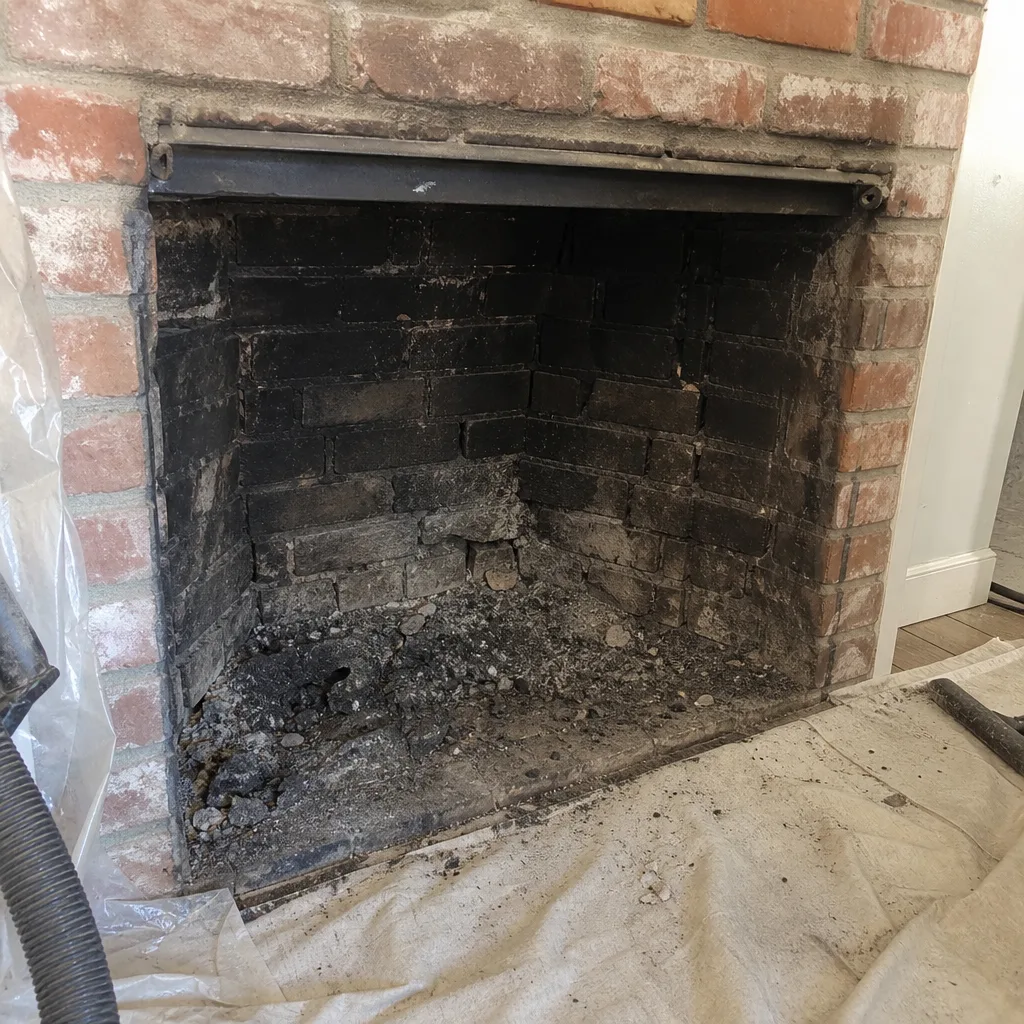 Before
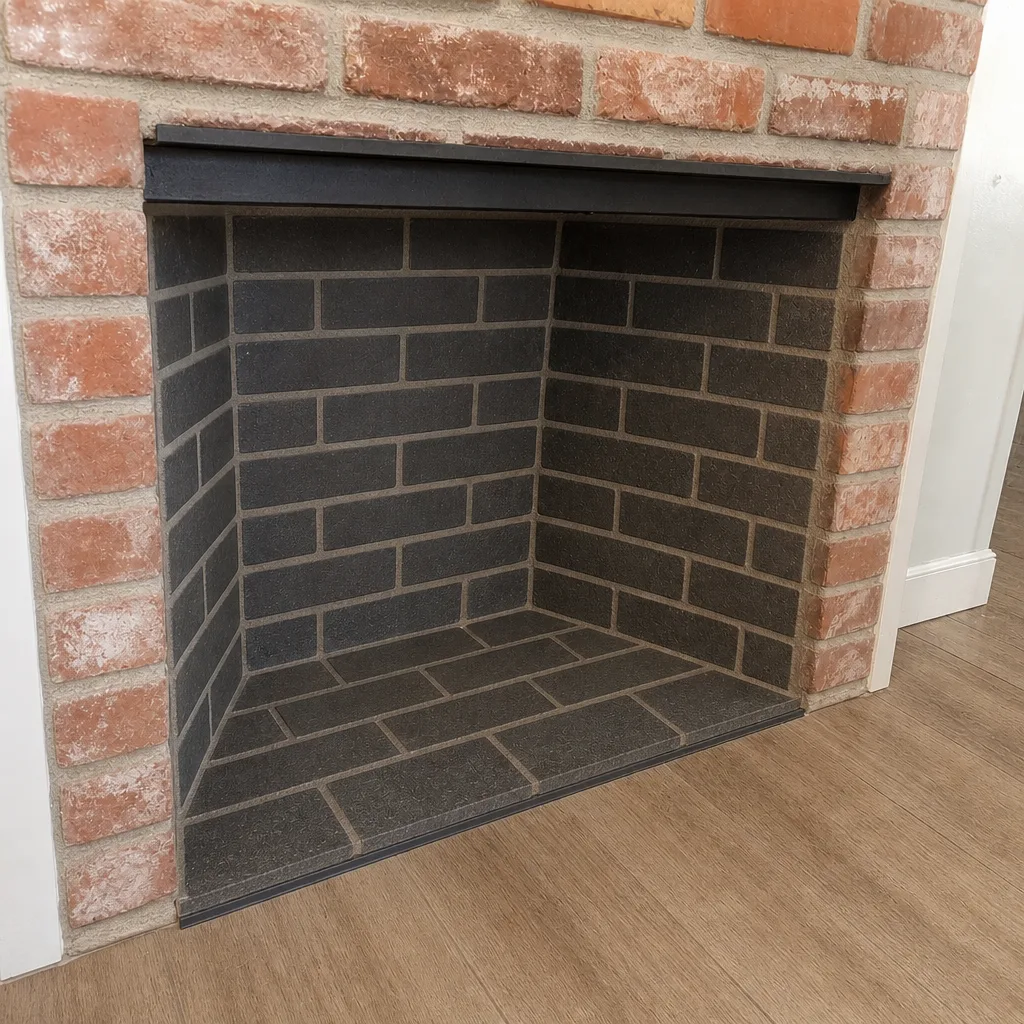 After
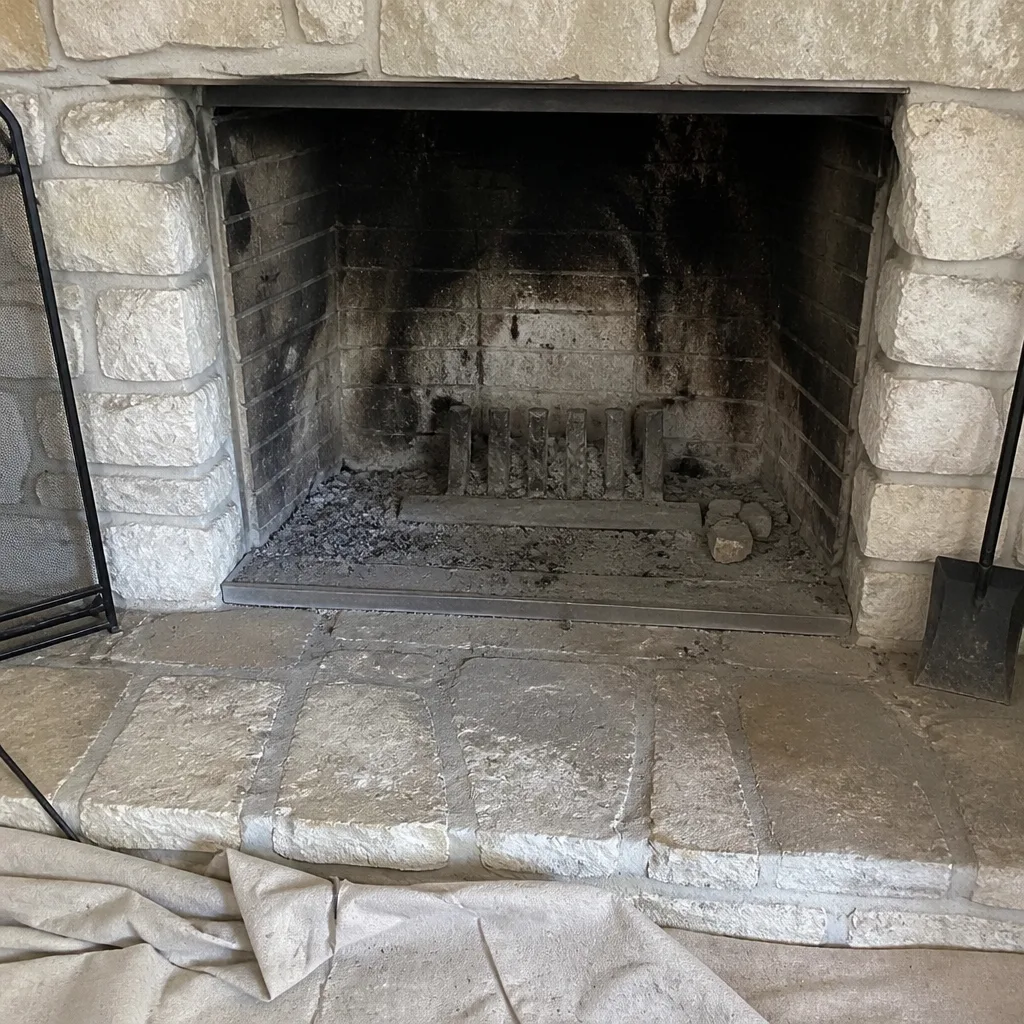 Before
 After
 Before
 After
When to Call a Professional
Some things are owner checkpoints. Others aren’t. Get a professional involved if you can see thick, textured creosote up the flue, if the smell of smoke drifts into the room when the fireplace is off, if the damper sticks or won’t move, if you’ve had any chimney fire even a small one, if the cap is damaged or missing, or if you’ve changed the fuel type or appliance. Also call if it’s simply been more than a season since the last inspection, and you’ll need a fresh baseline. A gas appliance that’s never been serviced is a good call too, since the connectors are what fail, and they aren’t something you can check from the hearth. Salinas Chimney Sweep offers free estimates in Salinas; call (844) 834-5211. We answer 24/7. Fast dispatch from 7am to 7pm, Sunday through Friday.
Frequently Asked Questions
For wood-burning appliances, inspect once a year and sweep when creosote reaches about 1/8 inch, which is often every one to two cords burned. Gas and pellet appliances need an annual inspection even without a sweep. In Salinas, the smart window is late summer, before the October rains. Call (844) 834-5211 for an exact quote. Estimates are free.
Yes, because a fireplace that lights and burns well can still have a compromised vent connector, a cracked liner, or creosote at the threshold. On gas inserts the parts that fail are internal and can’t be judged from the hearth. An annual inspection is cheap insurance against a hidden problem. Call (844) 834-5211 to book one, and we’ll tell you plainly what we find and what can wait.
It can skip the sweep, since there’s no meaningful creosote, but it can’t skip the inspection. The pilot assembly, vent connectors, and liner condition are what matter on gas, and those wear with moisture and temperature swings. An annual inspection is the right schedule.
A Level 1 is a visual check of accessible parts. A Level 2 adds a camera look at the flue interior and is what you want after a fire, a sale, or a change of appliance. A Level 3 is rare and may involve opening walls to reach concealed venting. Most routine maintenance in Salinas is a Level 1 plus sweep. If you’re unsure which you need, ask; a good technician will tell you what the level will find and what it won’t.
It depends on what the camera shows. A flue with localized deterioration may be restorable with HeatShield ceramic resurfacing, which extends flue life without a full reline. A flue with extensive damage or an incompatible liner may need a full reline, and a DuraFlex flexible system can handle the complex or offset flues that rigid systems can’t. Nothing is recommended without camera evidence you can see for yourself.
It depends on the scope. A sweep and inspection typically don’t require one, but a reline or structural repair often does. Ask your city’s building department about the specific work before it’s scheduled, and get the answer in writing. If you’re planning a repair, call (844) 834-5211 and we’ll walk through what’s likely to require a permit.
The Bottom Line
There’s no single annual sweep that fits every Salinas chimney. Wood, gas, and pellet appliances each need their own track, and the pace within each track is set by burn temperature and frequency, not by the calendar alone. The reliable rhythm is an annual inspection, a sweep when creosote hits about 1/8 inch, and a late-summer booking that leaves time to repair before the October rains. Know your inspection level, keep up the owner-side checks, and treat a change in draft or a chimney fire as a reason to get a professional look. One call covers cleaning, inspection, and repair, so you’re not chasing a second contractor. Call (844) 834-5211 for a free estimate and get the right schedule for your appliance. We answer 24/7. Fast dispatch from 7am to 7pm, Sunday through Friday.
Related Reading
If you’d like to see how we approach each of these services individually, our chimney repair page and chimney sweep page each go deeper. And new to the area or new to owning a fireplace? Start with our Salinas overview to understand the local climate context behind these recommendations.
Written by the team at Salinas Chimney Sweep.